Nolan's 'The Odyssey' Resurgence: Streaming Success & Horror Hints
Christopher Nolan's "The Odyssey" has captivated audiences with its unexpected horror elements, sparking renewed interest in Greek mythology. This cultural phenomenon has also led to a resurgence in popularity for older adaptations, most notably Wolfgang Petersen's 2004 epic, "Troy," which is now climbing streaming charts.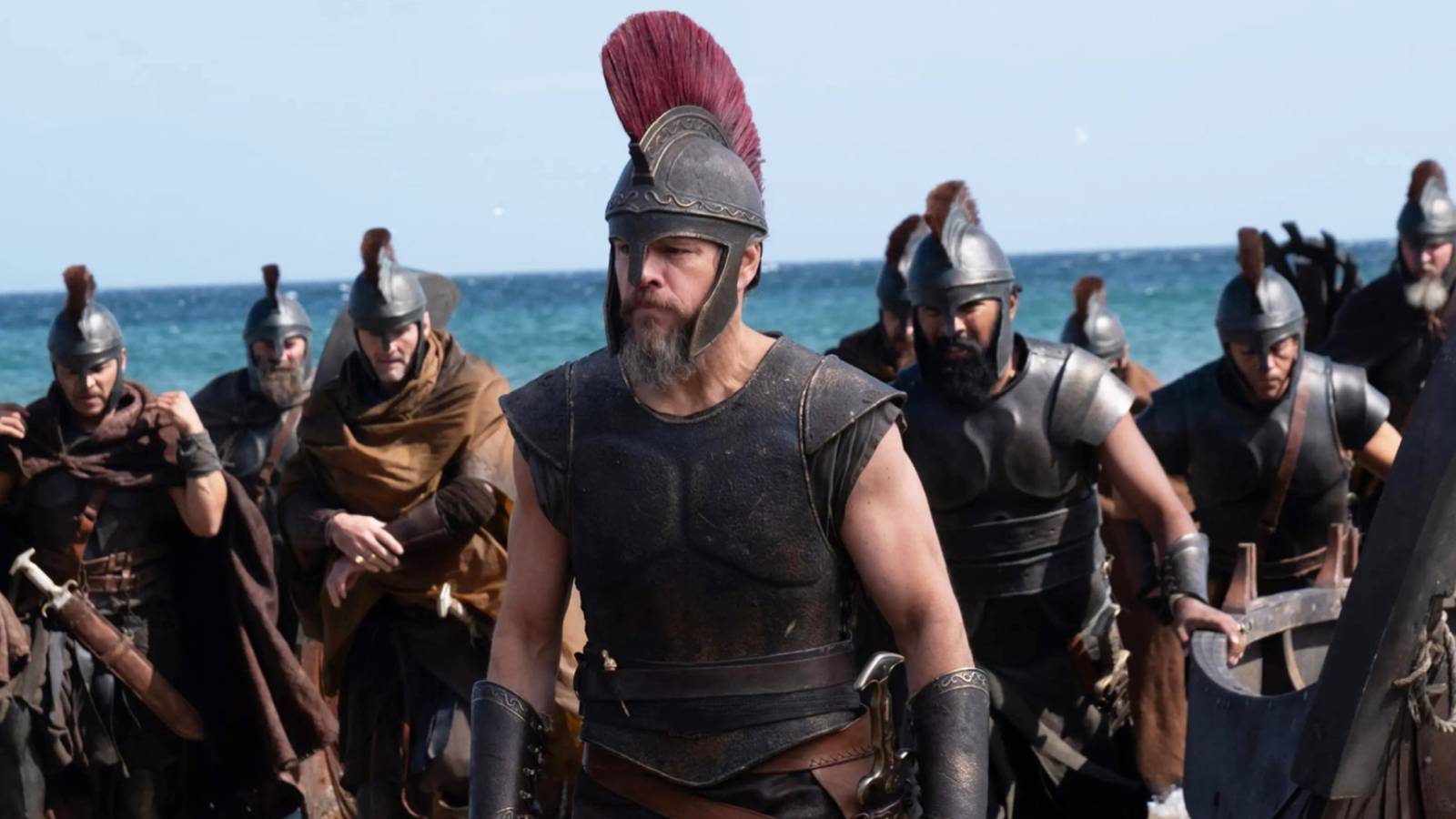
Christopher Nolan's latest blockbuster, "The Odyssey," has emerged as a clear candidate for movie of the year, gripping audiences and critics alike since its global release in July 2026. Praised for its compelling storyline, standout performances, and confident direction, the film, starring Matt Damon as Odysseus, offers a riveting three-hour experience. While critical consensus was high with a 94% score on Rotten Tomatoes, audience approval was even stronger, reaching an impressive 97%. The movie’s success was foreshadowed by early casting controversies over "historical accuracy," which ultimately ignited a global wave of interest in Greek mythology.
Beyond its epic adventure, "The Odyssey" has garnered significant attention for its surprising ability to evoke fear. This marks Nolan's closest venture into the horror genre, a topic he humorously addressed in a Hollywood Reporter interview, stating, "[Fans] don't need to beg me to tell a horror story anymore. Just buy a ticket." Nolan has also expressed admiration for contemporary horror hits like "Obsession," recognizing them as examples of outstanding filmmaking.
Nolan's vision for "The Odyssey" significantly diverges from traditional retellings, which often emphasize adventure and drama. Instead, he meticulously draws from various horror subgenres to craft a more realistic and unsettling interpretation of Odysseus' arduous journey home from Troy to Ithaca. This approach has led many to speculate about the potential for a dedicated Nolan horror film in the future.
One of the most talked-about sequences demonstrating this horror influence is when the sorceress Circe (Samantha Morton) transforms Odysseus' men into pigs. The visceral depiction of their insatiable hunger and their desperate, conscious struggle against the change is shocking. Circe's "molding" of them into animals, reminiscent of body horror classics like "An American Werewolf in London," coupled with her offering Odysseus pig meat while implying his men are merely disguised, evokes a chilling, Hannibal-esque psychological terror.
Other instances of horror permeate the film, such as the survival horror atmosphere within Polyphemus' (Bill Irwin) cave, where Odysseus' men are systematically devoured until an escape strategy is devised. Polyphemus' own terrifying screams, reportedly created by processing Irwin's real screams through metal instruments for amplification, have left many viewers profoundly unsettled. Furthermore, a prevailing interpretation suggests that Nolan's "The Odyssey" functions as psychological horror, portraying Odysseus grappling with his guilt from the Trojan War. Elements like his visions of an armored child among the Laestrygonians, moving trees impeding his escape, and the dead pursuing him in Hades, are seen not as fantastical elements but as visceral manifestations of his tormented psyche.
Despite his demonstrated comfort with horror elements in "The Odyssey," Nolan has not yet directed a standalone horror film. He acknowledged in a THR interview that his latest work has "whetted his appetite" for more, suggesting a dedicated horror project might come sooner than expected. However, the primary obstacle, as he revealed when praising "Obsession," is not technical capability but rather the challenge of finding a truly great, innovative story concept. Nolan believes that horror demands fresh ideas to elicit a visceral audience response, contrasting with his previous successes in conceiving original concepts like "Inception" and "Tenet," or reinterpreting older stories such as "The Dark Knight" trilogy.
The current global fascination with "The Odyssey" has simultaneously brought a major resurgence to other classical mythology adaptations. Wolfgang Petersen's 2004 epic, "Troy," is a prime example. This film, which centers on the Trojan War, featured an equally star-studded ensemble including Brad Pitt as Achilles, Orlando Bloom as Paris, Eric Bana as Hector, Sean Bean as Odysseus, Brendan Gleeson as Menelaus, and Diane Kruger as Helen.
Upon its initial release, "Troy" received a mixed-to-positive critical reception, with praise for its spectacle but criticism for a perceived lack of emotional depth. However, in the wake of the new Greek mythology craze spurred by Nolan's film, "Troy" has found renewed life on streaming charts, currently holding a high spot, such as number two on AMC+ in the U.S.
While both films draw from Homeric epics, they fundamentally tell different stories. "Troy," set around 1250 B.C., depicts the Trojan War, sparked by Prince Paris's elopement with Queen Helen and Agamemnon's imperial ambitions. This film, released on May 14, 2004, became a solid commercial success, grossing $497 million worldwide. In contrast, Nolan's "The Odyssey" focuses more intimately on the spiritual and emotional fallout experienced through Odysseus's perspective post-war. The shared enthusiasm for these works underscores a thriving interest in ancient Greek narratives, leaving fans eager for what Nolan might tackle next, be it another reinterpretation or his long-anticipated foray into pure horror.