Ninety Minutes, Zero Shots: Argentina's World Cup Final in One Brutal Statistic
Argentina made unwanted World Cup history in the 2026 final against Spain, becoming the first team in 60 years to go 90 minutes of a World Cup final without registering a single shot.
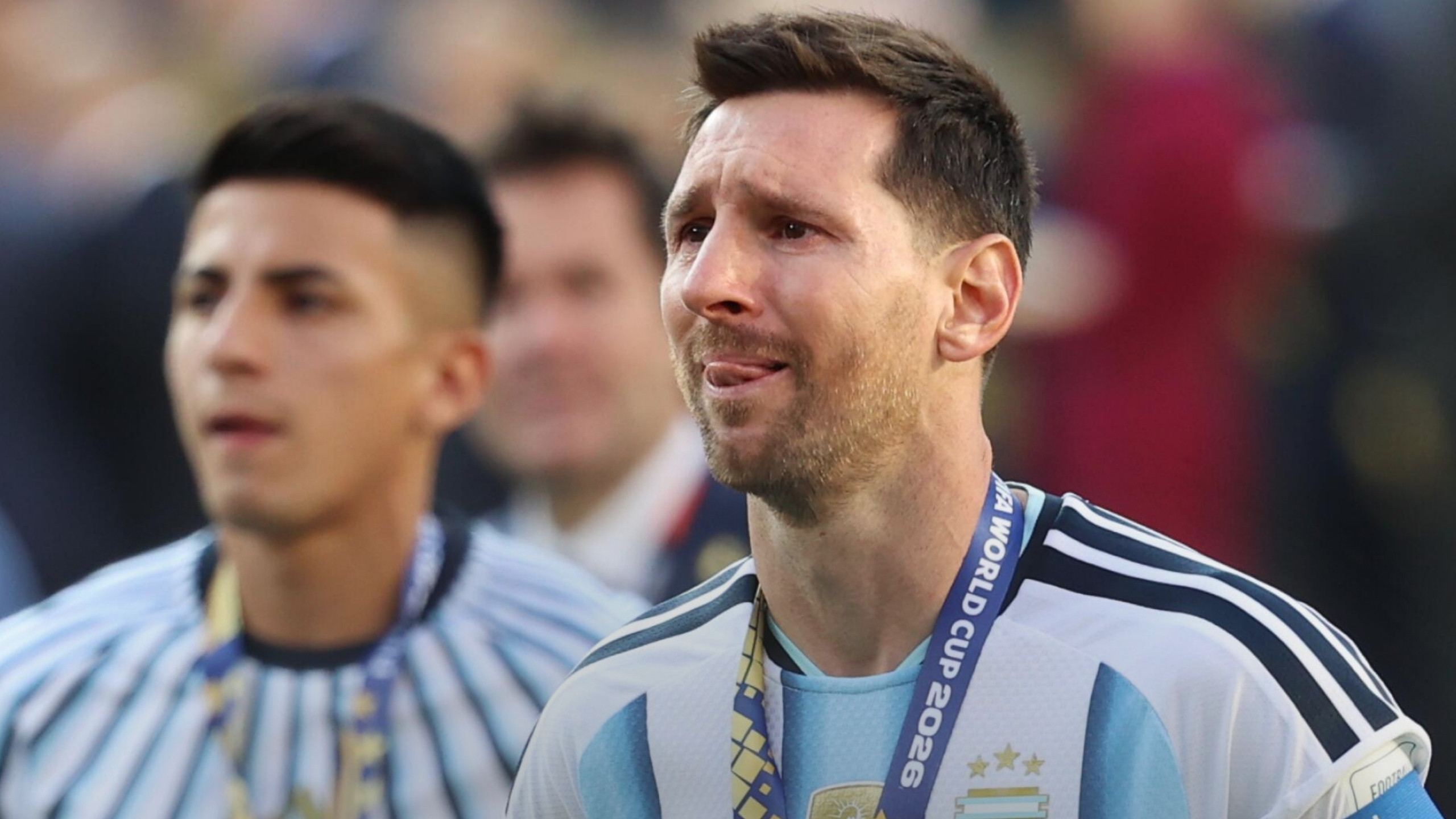
Fans across Argentina and beyond walked into the 2026 World Cup final believing in one thing above all: momentum.
This was a golden team going into its second final in three tournaments and with Lionel Messi, many assumed it would be a fairytale send off. If Argentina lost, the thinking went, at least the effort would be visible.
At least there would be chances created, shots forced, team tested and a goalkeeper pressured. Nobody expected the alternative. Nobody expected a team stacked with attacking talent to go the full ninety minutes of a World Cup final without registering a single shot.
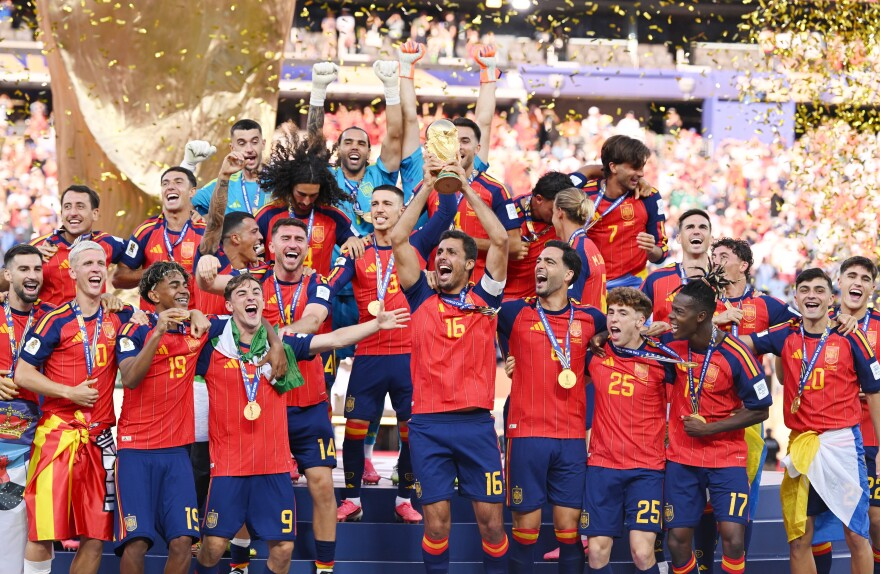
That is exactly what happened. Spain beat Argentina 1-0 in extra time at MetLife Stadium. However, there is more the scoreline is not telling. A statistic so rare it occurred decades ago in the history of the tournament's showpiece match became the real headline.
Argentina did not manage one shot attempt, on target or off, in ninety minutes of football.
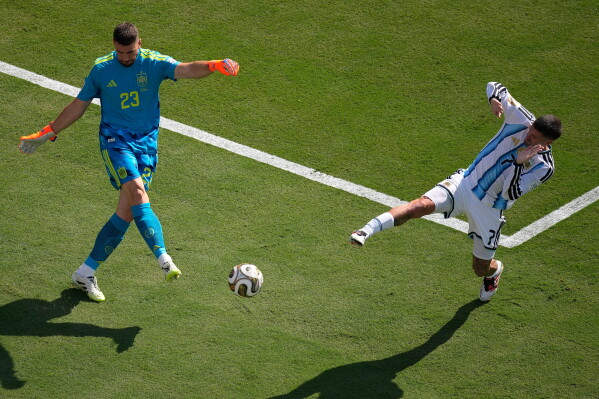
The Historic Shot Statistic That Defined the Final
For context, World Cup finals are rarely goalless matches, but even the most defensive finals in tournament history have produced attempts on goal. Teams that lose still usually manage a handful of shots, even scrappy or speculative ones from distance.
Argentina managed none.
Spain, by contrast, put a lot of pressure throughout the match. They finished regulation time with attempt after attempt while Argentina's forward line, including Messi himself, barely touched the ball in dangerous areas.
Now, this is beyond a simple case of a team pushing a match to penalty shootouts. Argentina came into the tournament as a side known for its attacking identity, its fluid combinations and its willingness to take the game to opponents.
To see that identity completely erased for ninety minutes against Spain represents one of the most jarring tactical collapses a football fan could witness on the biggest stage of the sport.
Why Argentina Failed To Register A Single Shot
Several factors help explain how a team with this much attacking pedigree could go an entire match without threatening the goal. The first is Spain's suffocating control of possession.
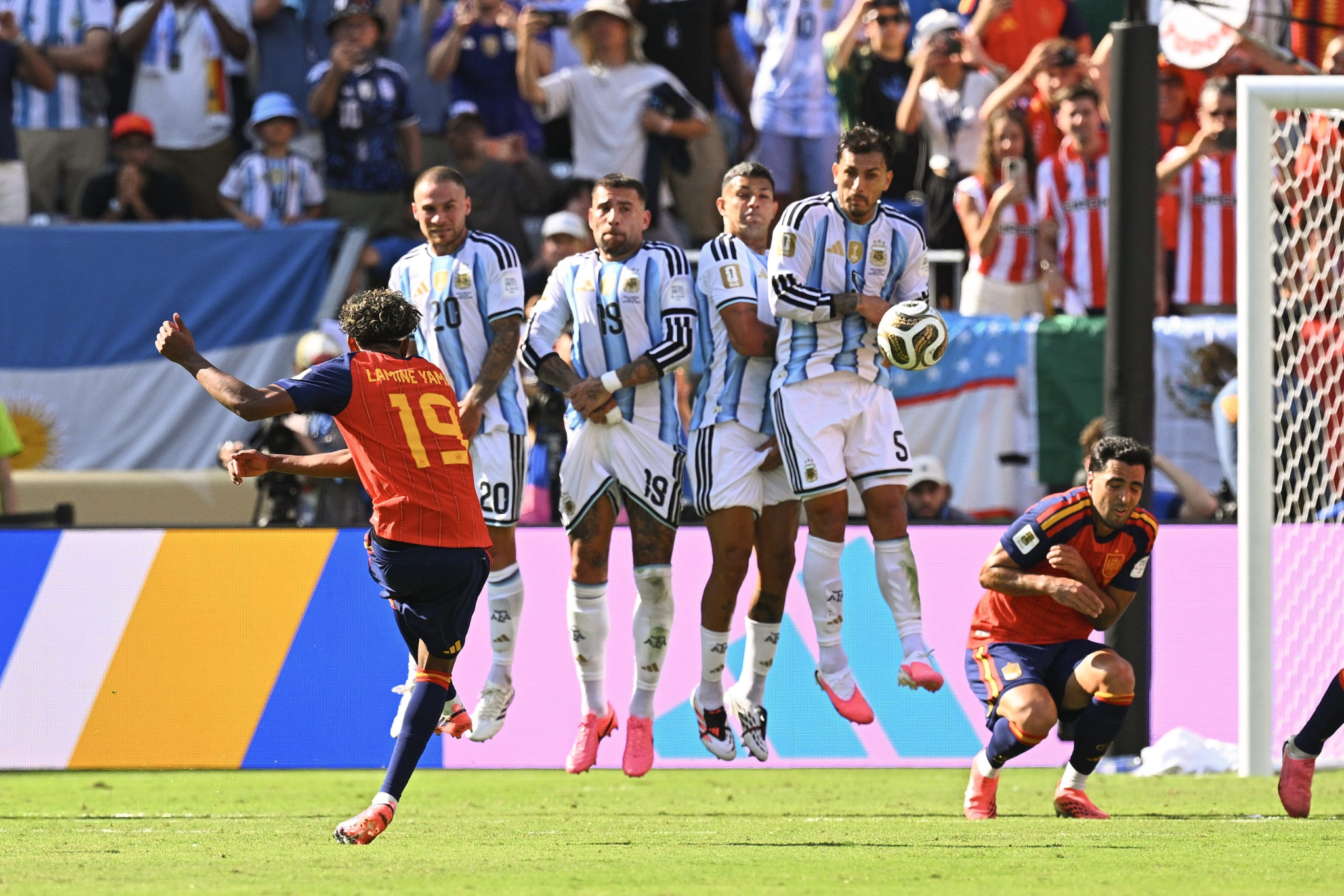
When a team dominates the ball to the extent Spain did in this final, the opposition is forced into a reactive, defensive shape for long stretches. Argentina spent much of the ninety minutes without sustained possession in the final third, which naturally limits shot opportunities no matter how talented the attackers are.
The second factor is Argentina's midfield structure. Without control in the middle of the pitch, service to the front line becomes sporadic and rushed.
Messi, now well into his late thirties, has always relied on quick combinations and space to operate in. When that midfield foundation collapses, even a player of his quality becomes isolated and ineffective.
A third element worth considering is the emotional and physical weight of the occasion itself. Defending champions is a different kind of pressure and going into a final, that pressure can become caution rather than confidence.
Argentina may have set up to avoid conceding early, hoping to grow into the game, only to find themselves chasing shadows against a Spanish side that never allowed them to settle.
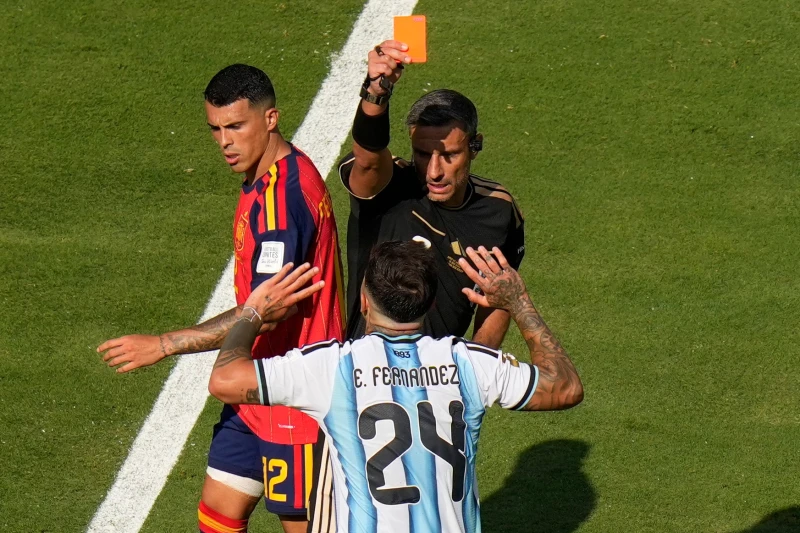
Finally, personnel disruption played a role. Argentina's numerical disadvantage late in regulation time, following a red card, only compounded an already difficult attacking situation heading into extra time.
What This Means For Argentina's Football Legacy
This result will inevitably be dissected for years, not just because Argentina lost, but because of how completely they were nullified.
A World Cup final defeat is painful under any circumstances but a defeat with zero shots attached to it invites a different kind of scrutiny. It raises uncomfortable questions about the squad depth, tactical flexibility, and whether this golden generation had already peaked before this final arrived.
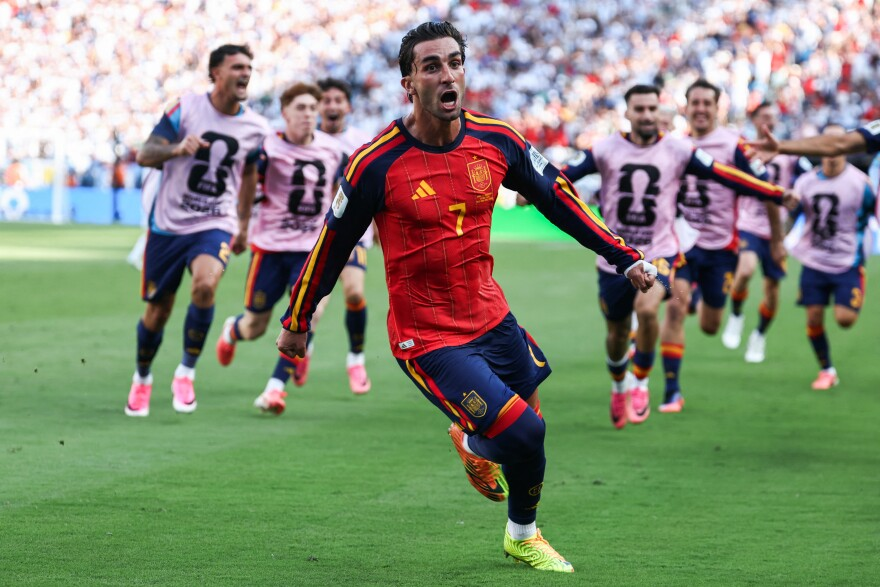

For a nation that treats football with near religious intensity, the absence of even a single shot will sting more than the scoreline itself.
Fans can accept a heroic effort that falls short. What is harder to accept is watching a team with generational attacking talent fail to test the opposing goalkeeper even once across ninety minutes of the sport's most important match.
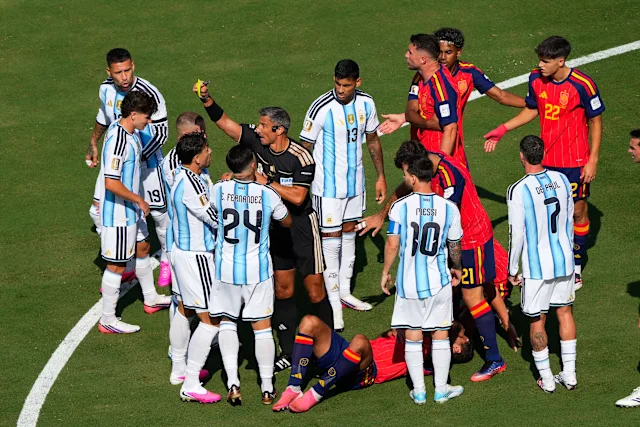
A Statistic That Will Follow This Argentina Team
Statistics like this tend to outlive the match itself. Years from now, this final will not just be remembered for Spain lifting the trophy. It will be remembered as the World Cup final where Argentina produced zero shots in regulation time, a record that had stood untouched for six decades before finally falling in the most dramatic way possible.
Whether this becomes a turning point for rebuilding Argentina's squad or simply a painful detail in an otherwise successful era remains to be seen.
What is certain is that this statistic will be referenced every time the conversation turns to the most shocking numbers in World Cup final history, and it will take a long time before another team matches, let alone breaks, this unwanted record.