Nigerian Music Sensation In The Early 2000s
A nostalgic look at early 2000s Nigerian music, exploring iconic artists like 2Baba, D’banj, P-Square, Styl-Plus, and more, whose songs shaped a generation and defined an unforgettable era.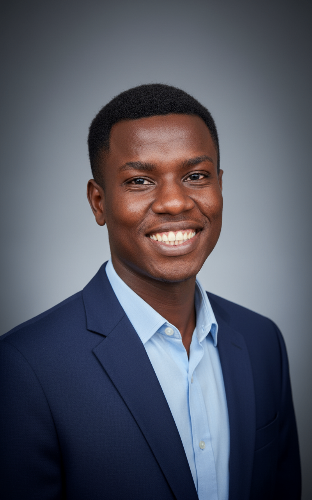

The Nigerian music industry has long been booming before the advent of algorithms or playlists curated by music apps and moods.
This was a time when music did not need permission to enter your spirit, just like Chike sang.
In the early 2000s music came through CDs, radio countdowns, shops playing songs in the morning, street vendors yelling album titles, and shared music interest on long bus rides.
Early 2000s Nigerian music was not just sound, it was an atmosphere that everyone could bask in. It played in salons, student hostels, wedding receptions, and roadside bars. It shaped how we loved, danced, protested, and dreamed. Looking back now, those songs feel like photographs with melodies, slightly faded, deeply emotional, and impossible to forget.
This was the era when Nigerian music was real and could really be felt in the soul, blending Afrobeats, R and B, hip-hop, highlife, and indigenous sounds into something confidently local and alive yet globally aware.
The artists of these songs that made sensation in the 2000 were not chasing virality, they were chasing feelings that could resonate with their audience and fans and I daresay they found and did it.
The Music and the Artists That Defined an Era
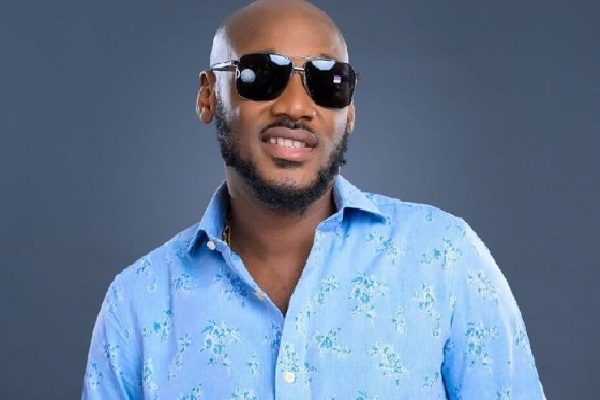
At the center of that moment was 2face Idibia (now 2Baba), whose song "African Queen" which was released in 2004 was more than just a love song. It was an anthem for love back in the day.
From weddings, to proposals and quiet reflections on relationships, the song held space for tenderness in a music scene often dominated by bravado. "Only Me" further showed us his introspective side, proving vulnerability could coexist with mainstream success.
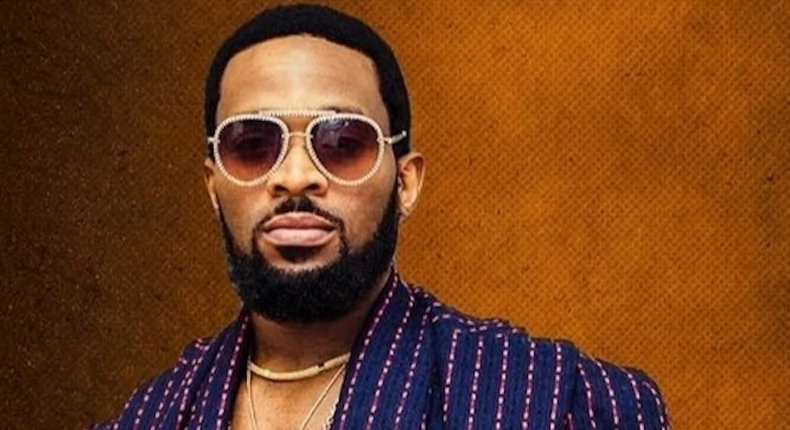
Then there is D’banj, that was always bringing the energy that felt electric. "Tongolo"was playful, experimental, and daring. It was a dance record that announced a new kind of pop star. Songs like "Why Me and Fall in Love" turned everyday phrases into cultural slang, making D’banj both entertainer and trendsetter.
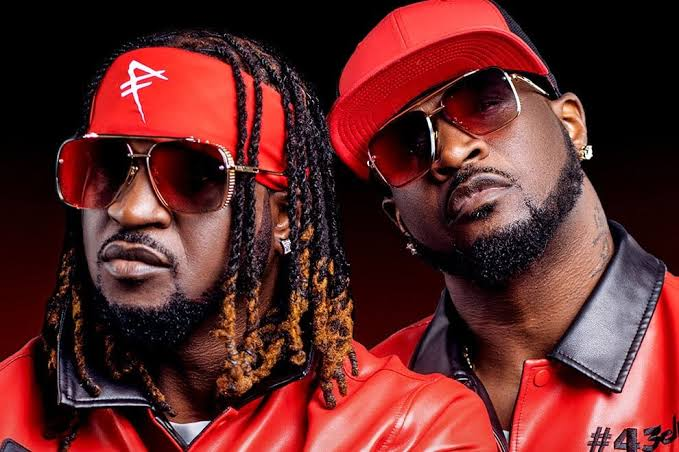
P-Square both captured the rhythm of youth and romance with effortless harmony during the boom of the early 2000s in the Nigerian music industry. "Do Me, Bizzy Body, E No Easy, and Temptation " were not just club hits back then, they were staples and signature tones at house parties and campus shows.
Their music balanced danceability with emotional storytelling, reflecting the push and pull of love and ambition.
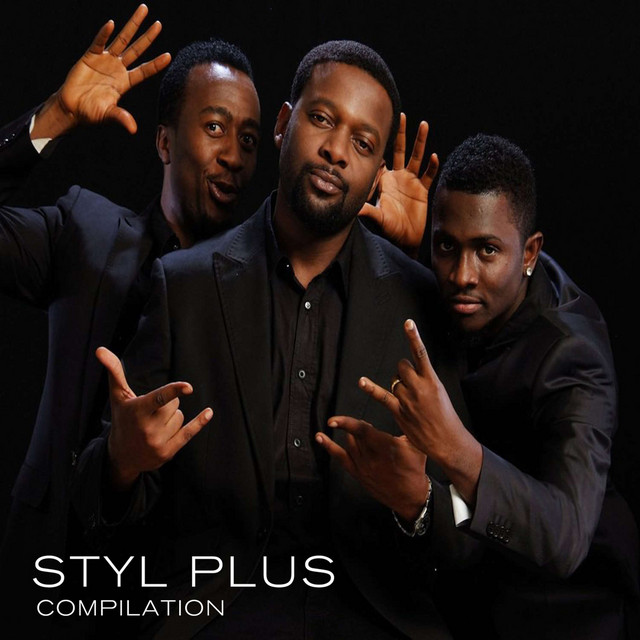
For those who loved music that was emotionally laced, Styl-Plus was the go-to group artist back then and they spoke directly to the heart. "Olufunmi" remains one of the most emotionally charged Nigerian songs ever recorded. "Imagine That and Four Years" weren't just songs they explored and showed the layers heartbreak, longing, and commitment in a way that felt personal, almost confessional.
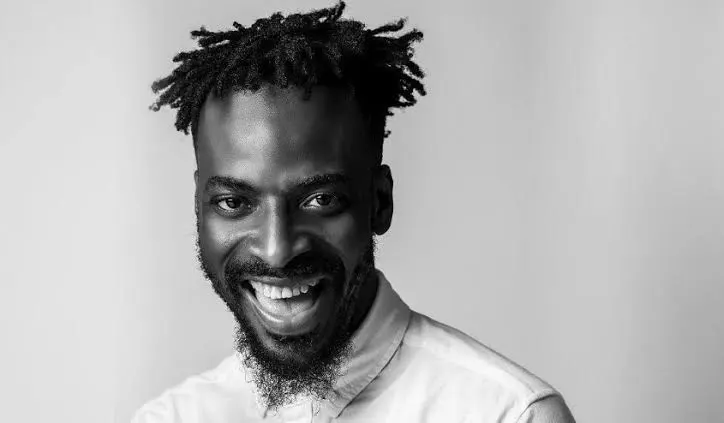

9ice brought cultural pride of Nigeria to the forefront. His song "gongo Aso" was a celebration of the Yoruba identity, street wisdom, and lyrical dexterity. It was music that demanded you listen, not just dance. "Street Credibility" was another song that actually cemented his role as a voice of authenticity.
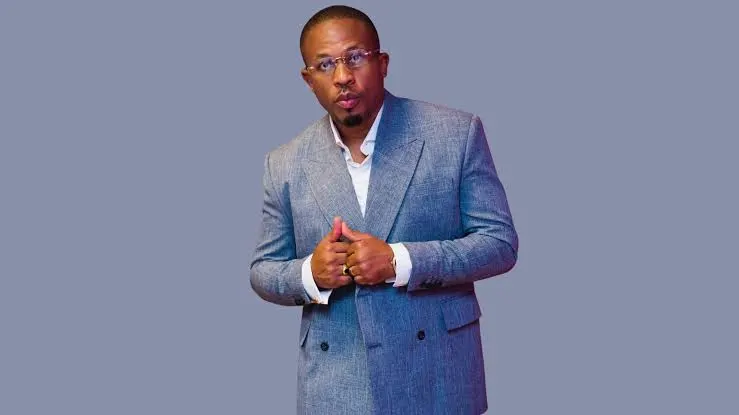
Hip-hop found its suave storytelling in Naeto C. With songs like "Kini Big Deal" and "5 and 6," he delivered confidence in the music space, blending rap with refined wordplay and global appeal. He made Nigerian hip-hop aspirational, polished, and relatable to everyone that listened.
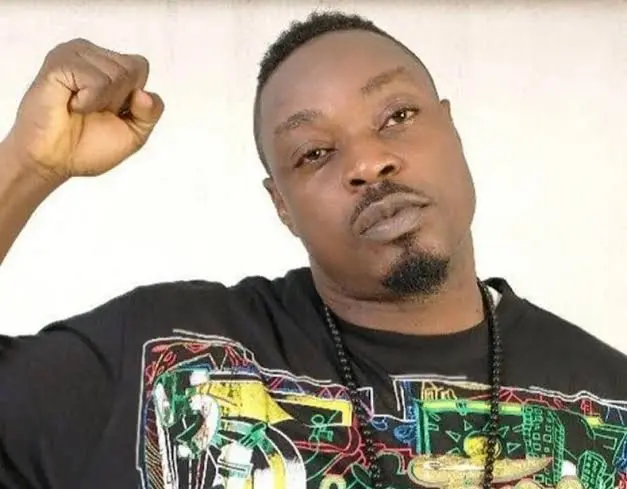
Also in the early 2000s music industry we can't forget to mention Eedris Abdulkareem the social sensation. His song "Jaga Jaga" was raw, uncomfortable, and necessary, a mirror held up to the nation. "Mr. Lecturer" followed suit, critiquing corruption within education systems. These were not easy songs, but they were important ones that needed to be heard and messages that needed to be spread across.

Wande Coal arrived on the music scene with smooth vocals that felt like the future. "Bumper to Bumper and Booty Call" introduced a new sound that was playful, melodic, and undeniably fresh, signaling the rise of a new generation under the Mo’Hits movement.

No one can deny the fact that the dance culture exploded with Olu Maintain’s"Yahooze," a song that became synonymous with celebration and excesses. Whether loved or criticized, it was impossible to ignore its cultural impact and the sensation it sent across in the early 2000s.
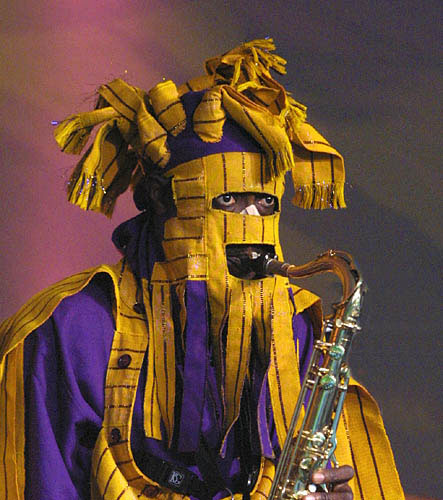
Then there was Lagbaja, the masked and mysterious singer who blended jazz, Afrobeat, and satire. "Konko Below" and "Rock Me Gentle" were musical experiments that felt accessible and real, proving Nigerian music could be intelligent and entertaining at the same time.
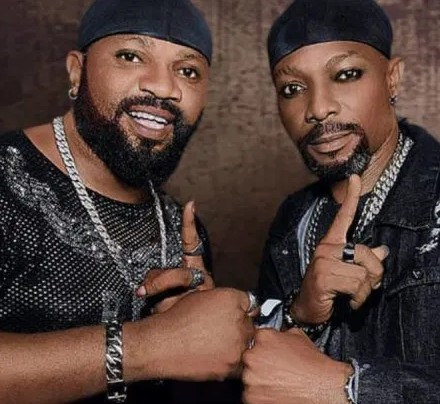
Before Afrobeats became polished and export-ready as it is today, "Danfo Driver" in the early 2000s captured Lagos in its raw, unfiltered state. Mad Melon and Mountain Black turned the chaos of public transport into rhythm, humor, and a relatable social commentary. It was a soundtrack to Lagos life itself, proof that everyday experiences could become cultural classics.
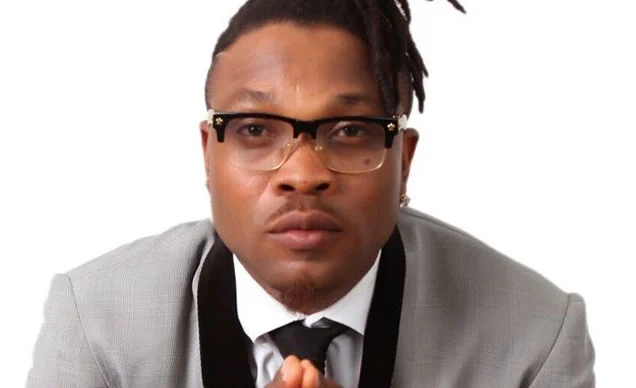
"Mr President" by African Chinawas not just a song, it was a tune for protest wrapped in melody. African China used music as a tool of accountability, speaking directly to power in a way few artists dared at the time. The song questioned leadership, governance, and broken promises, resonating deeply with a generation that felt unheard.
Why Those Songs Still Matter
The early 2000s Nigerian music reminds us of who we were becoming. It captured a country in transition, hopeful, chaotic, expressive, and deeply creative. These songs were not built for streams or charts; they were built for moments that were lived and experienced first hand. And that is why they still linger in the hearts of those who remember them.
Even today, when one of these tracks plays unexpectedly, time slows down and floods of memories rush in. We all remember where we were, who we were and who are now becoming. That is the power of music made with the soul.