Nigeria's Shocking Organ Trade: 651 Kidneys Worth $41 Billion Sold
An alarming report from Professor Aliyu Abdu reveals that 10,000 kidneys are sold illegally globally each year, with Nigeria accounting for 651 trafficked kidneys valued at over $41 billion between 2015 and 2020. Poverty, unethical medical practices, and a lack of regulation are cited as key drivers behind this illicit trade, often leaving donors without essential post-operative care. Nigeria's National Health Act of 2014 prohibits organ commercialization, yet the black market thrives.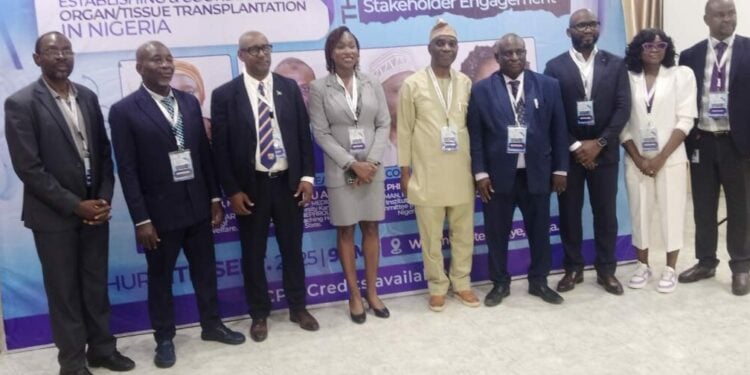
Professor Aliyu Abdu, a Professor of Medicine at Bayero University, Kano (BUK) and a consultant physician and nephrologist at Aminu Kano Teaching Hospital (AKTH), Kano, has revealed alarming statistics regarding global organ trafficking, particularly concerning kidneys. According to his statements at a seminar on National Organ and Tissue Transplantation Standards, organized by Clarion Call Care Foundation, Abuja, an estimated 10,000 kidneys are sold annually in the black market worldwide, equating to one kidney every hour. In Nigeria alone, between 2015 and 2020, approximately 651 kidneys were illegally trafficked and transplanted, generating a value reported to be over $41 billion.
Professor Abdu highlighted that many organ donors are either coerced or forced into the trade, with poverty being a significant driving factor. Victims are predominantly impoverished individuals easily swayed by financial incentives, often unaware of the severe risks involved. The proliferation of organ trafficking in Nigeria is attributed to a combination of factors including widespread poverty, societal inequality, unethical medical practices, and a notable absence of robust regulation and enforcement of medical ethics, often facilitated by unconscionable medical practitioners.
A critical issue raised by Professor Abdu is the post-procedure neglect of organ donors. Most donors are left without adequate medical care or financial compensation once the procedure is complete. This neglect often leads to profound suffering, including depression and various diseases stemming from unprofessional handling of their cases. The lack of alternative sources for organs, such as cadaveric donations, and the scarcity of established organ banks further contribute to the flourishing illegal trade.
The illicit kidney business operates through a sophisticated criminal underworld, involving an organized network of illegal brokers and agents. These individuals, ranging from 'organ hunters' to full-time medical professionals such as physicians, nurses, anaesthetists, ambulance drivers, travel agents, and insurance agents, work to supply organs from victims to recipients. Kidneys are the most frequently trafficked organs due to high demand and their relative ease of removal compared to other organs.
The World Health Organization (WHO) defines organ trafficking as the recruitment, transportation, transfer, harboring, or receipt of living or deceased persons or their organs by means of threat, use of force, or other forms of coercion or deception for organ removal or transplantation. In Nigeria, the National Health Act of 2014 primarily governs organ donation and transplantation. This Act explicitly prohibits the commercialization of human organs and mandates informed consent from the donor for tissue removal. While the law allows for reimbursement of reasonable costs incurred by the donor, any direct financial exchange for an organ is punishable by a fine or imprisonment. Furthermore, there are age restrictions, prohibiting kidney removal from individuals under 18 or over 65 years old.