Nigeria's Ride-Hailing Economy Is Running Out of Compromises, and Nobody Is Talking About It.
Nigeria's e-hailing economy is struggling to balance affordable fares, driver welfare and platform sustainability. Can ride-hailing platforms, drivers and riders all win in today's economy?

Nigeria's ride-hailing economy is quietly running out of compromises, with no one is willing to admit it yet, and it needs to be addressed.
For years, Nigeria's e-hailing platforms have successfully sold Nigerians a simple promise: affordable rides at the tap of a button.
Riders get convenience without negotiating fares on the roadside. Drivers get access to thousands of customers every day without any hassle and the platforms take their commissions and keep the marketplace running.
On paper, everybody wins.
But somewhere between rising fuel prices, inflation, vehicle maintenance costs and the growing pressure to keep transport affordable for millions of Nigerians, that compromise is beginning to crack faster than we all can imagine.
A recent controversy involving a Bolt driver who complained about stagnant fares amid rising fuel costs is merely the latest symptom of a much bigger problem.
The conversation online has largely focused on whether Bolt blocked the driver or whether the company should immediately increase fares. Bolt has since denied claims that the driver was blocked, stating that his account remains active despite a poor completion rate.
That, however, might be the wrong conversation entirely.
What if the real problem isn't Bolt or its drivers? What if Nigeria's ride-hailing economy no longer makes financial sense for everyone involved at the same time?
Nigeria's E-Hailing Platforms Are Marketplaces, Not Transport Companies
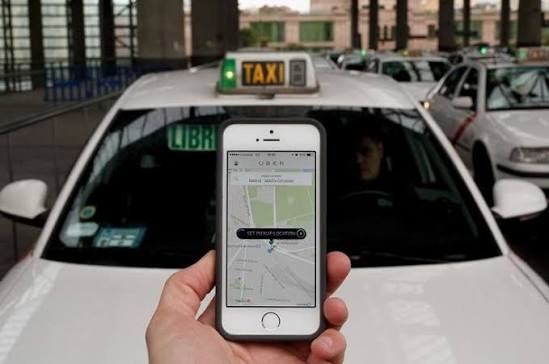
Many Nigerians treat ride-hailing platforms as though they own fleets of vehicles and directly employ the thousands of drivers operating on their platforms. Most do not.
Whether it is Bolt, Uber, inDrive, Shuttlers or even government-backed initiatives like LagRide, their business models are largely similar.
They connect riders with drivers, facilitate transactions, and earn commissions or service fees on completed trips and although LagRide has official registered vehicles the mode of operation is similar across all of them.
The more customers these platforms retain, the more rides happen. The more rides happen, the more revenue they generate. At their core, their biggest product is not transportation. It is the customers that book the rides.
This is precisely why pricing is more complicated than simply increasing fares whenever economic conditions worsen.
Raise fares too aggressively, and riders may begin looking elsewhere. Some may switch between competing apps. Others may simply return to traditional transport alternatives or reduce their use of ride-hailing services altogether. Fewer riders inevitably translate to fewer trips and fewer earnings across the ecosystem.
Maintaining affordable pricing, therefore, is not necessarily about ignoring drivers' realities. It is also about protecting demand.
The uncomfortable truth is that Nigeria's e-hailing platforms operate in a delicate balancing act. Riders want affordability. Drivers want profitability. Platforms want sustainability. The problem is that Nigeria's economy increasingly makes all three difficult to achieve simultaneously.
To put in context, Nigeria's Ride-Hailing economy is quite an enormous market. The overall Nigerian gig economy, where ride-hailing is largely a core driver, is valued at $5.17 billion, while the specific smart mobility and online ride-hailing platforms market is valued at $1.5 billion.
The Ride-hailing economy makes up nearly 24 percent of total participation in the Nigerian gig economy with a workforce size of close to 3 million people.

This is largely this matter needs to be addressed and the reality faced, because it's a market that should not be ignored.
Ride-Hailing Drivers Are Quietly Paying For Nigeria's Economy

If there is one person currently absorbing the economic realities of Nigeria's ride-hailing industry with taking sides, it is the driver.
Most e-hailing drivers are responsible for virtually every operating expense attached to their vehicles. Fuel costs, vehicle servicing, engine oil, tyres, brake pads, repairs, insurance arrangements, car washes and daily maintenance all come directly from their pockets.
For drivers operating leased or financed vehicles, monthly repayments present another financial obligation entirely.
Every time fuel prices rise, commission structures do not immediately change. Riders do not immediately pay more for transportation. The driver pays first.
That is perhaps the part of the conversation many consumers rarely consider.
The same trip that may have been profitable months ago can quickly become significantly less viable when fuel prices fluctuate dramatically within short periods. Drivers often absorb those costs while waiting for platforms to review pricing structures or market conditions to stabilise.
For many, the economics can become difficult to justify. A driver may spend twelve or fourteen hours on the road and still struggle to generate meaningful profits after deducting operational expenses.
At what point does affordability for customers become unsustainable for the people providing the service?
The economic pressures facing drivers are not theoretical. They are daily calculations made at filling stations across Nigeria. Every litre of fuel purchased is a reminder that ride-hailing has become as much an economic conversation as it is a transportation one.
The recent Bolt controversy simply brought that frustration into public view. Tomorrow, it could easily be a driver operating on Uber, inDrive or LagRide raising the same concerns.
The Picture Nobody Is Actually Seeing: Drivers Can Leave At Will
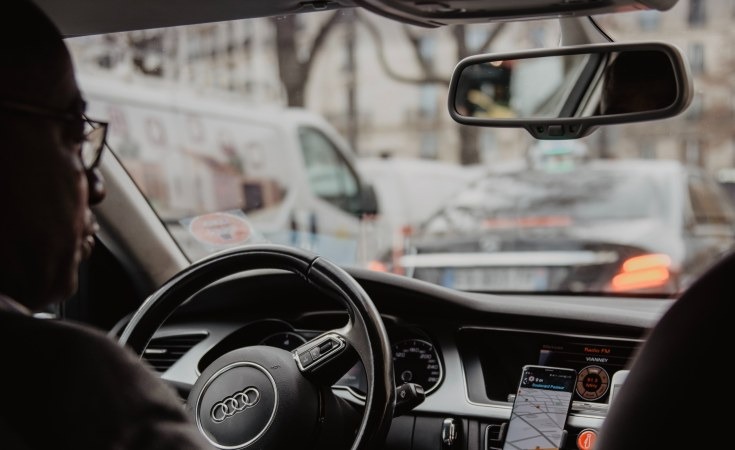
Perhaps the biggest misconception within Nigeria's ride-hailing ecosystem is that drivers are permanent participants.
They are not and that needs to be precisely said.
Unlike traditional employees, ride-hailing drivers are independent partners. They can sign out of one platform today and drive for another tomorrow. Many already operate across multiple ride-hailing apps simultaneously.
Drivers can move between Bolt, Uber, inDrive, LagRide and emerging mobility platforms if they believe those platforms offer better opportunities. They can decide to prioritise platforms with more favourable pricing structures or simply exit the industry altogether.
This matters because ride-hailing businesses are two-sided marketplaces. These Ride-hailing platforms do not merely need customers; they also need drivers.
If enough drivers begin feeling that operating on particular platforms no longer makes economic sense, supply inevitably suffers. Ride cancellations increase. Waiting times become longer. Rider experiences deteriorate.
Eventually, cheap rides become unavailable rides. Driver loyalty has never been ideological. It has always been economic.
Drivers do not remain on platforms because they are emotionally invested in corporate brands. They remain because the numbers make sense.
Once those numbers stop making sense, alternatives become increasingly attractive.
The consequence is that the pressure to maintain affordability for riders can unintentionally create dissatisfaction among the very people responsible for delivering the service.
Perhaps Nobody Is Wrong Here, And That Is Where It Gets More Complicated
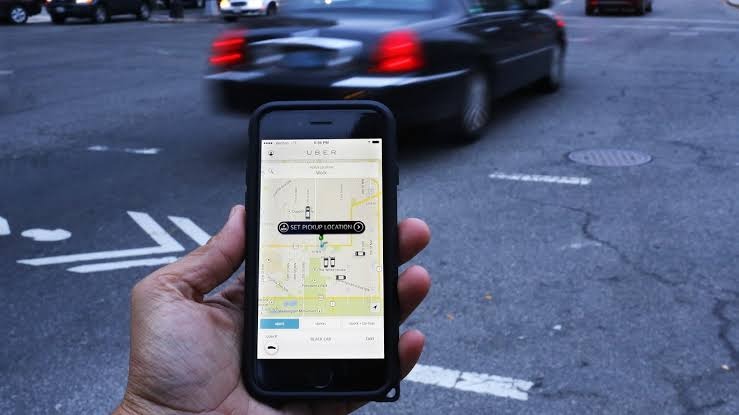
The most fascinating aspect of this entire conversation is that everyone involved appears to be right.
Ride-hailing platforms want affordable pricing that keeps customers returning. Drivers want fares that reflect economic realities and allow them to operate profitably. Riders simply want transportation that does not further strain already stretched household budgets.
The real villain in this story may simply be the economy itself.
Should ride fares automatically increase whenever fuel prices rise? How much of the economic burden should drivers reasonably carry? Can platforms continue taking commissions when some drivers are struggling to remain profitable? Are consumers willing to pay significantly more for convenience? These are difficult questions without straightforward answers.
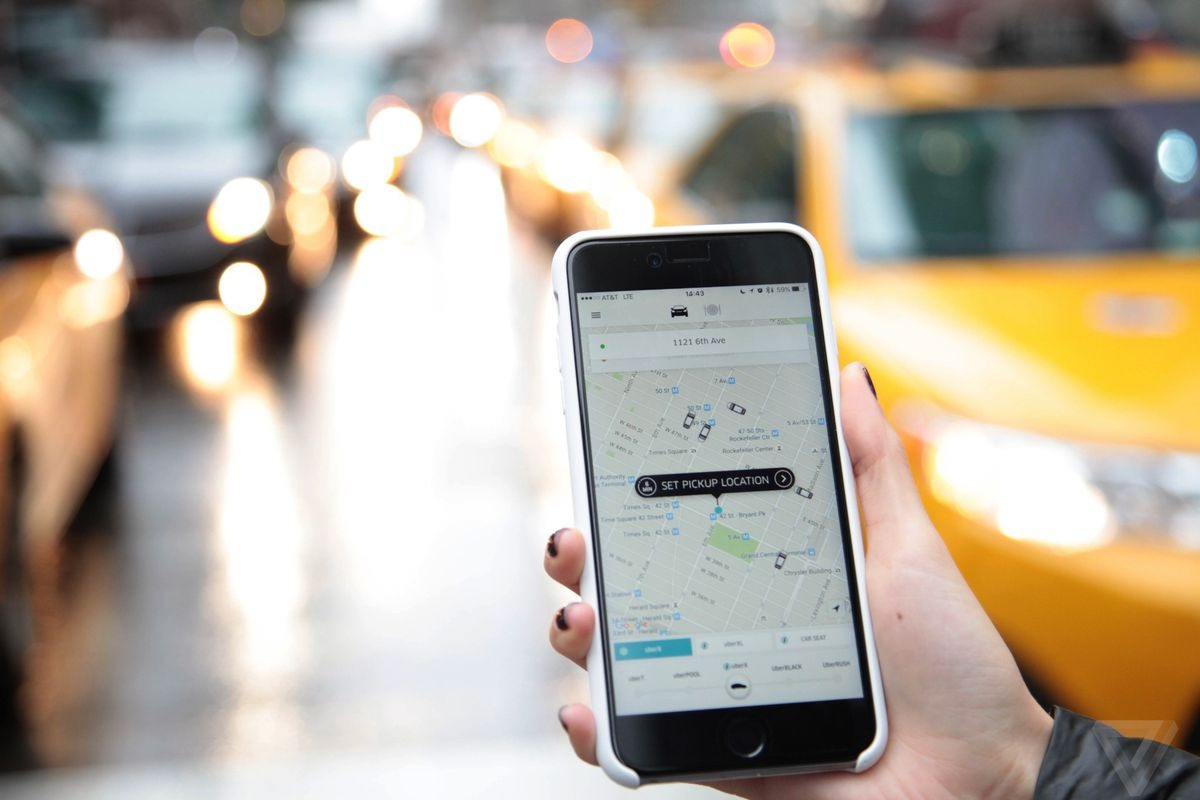
Nigeria's e-hailing conversation has quietly evolved into something much larger than transportation. It is now a conversation about economics, labour, technology and sustainability.
The recent disagreement between a Bolt driver and the platform is not merely about fare reviews or customer support calls.
It is a glimpse into a growing tension within Nigeria's mobility ecosystem, one that virtually every e-hailing platform operating in the country is increasingly confronting.
Perhaps the most important question is not whether Bolt should increase its fares today. It is whether Nigeria's current economic realities still allow cheap rides, profitable drivers and sustainable platforms to exist at the same time. Because somebody is paying for every cheap ride. The only question is who?