Nigeria’s New Mega-Refinery: Economic Hope or Environmental Trouble?
Nigeria is investing heavily in one of Africa’s largest oil refineries to end fuel imports and strengthen its economy. But environmental concerns and global energy shifts raise difficult questions about the country’s long-term future.
For decades, Nigeria has lived with a painful contradiction. The country is Africa’s largest producer of crude oil, yet it has relied heavily on imported petrol and diesel to power cars, generators, factories, and homes. This dependence has drained government funds, weakened the naira, and exposed ordinary Nigerians to fuel scarcity and sudden price hikes.
Now, Nigeria is attempting to break that cycle.
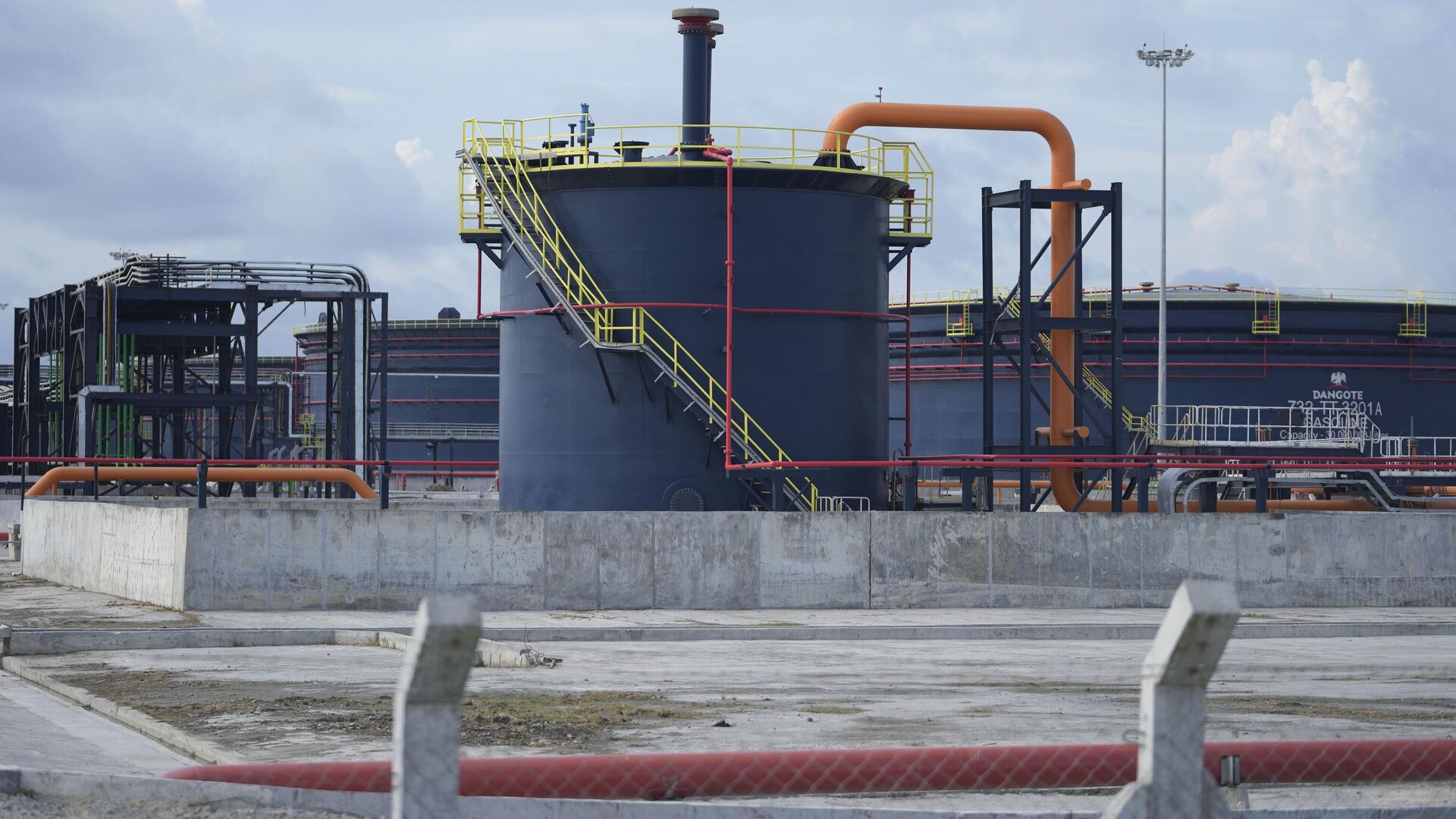
At the center of this effort is the Dangote Petroleum Refinery, located in the Lekki Free Trade Zone in Lagos. The project is already recognized asAfrica’s largest oil refinery, with a design capacity of about 650,000 barrels of crude oil per day. If fully optimized and expanded as planned, it could become one of the largest refineries in the world.
Some say the refinery represents economic hope, a chance for Nigeria to finally refine its own oil, save money, create jobs, and regain control of its fuel supply. Some, however, warn that the project raises serious environmental and long-term energy concerns, especially at a time when the world is slowly shifting away from fossil fuels.
This is the difficult balance Nigeria now faces.
Nigeria
Dangote Refinery
Oil & Gas
Energy Security
Fuel Imports
Economic Development
Environmental Concerns
Why Nigeria decided to build a mega-refinery
For many years, Nigeria exported crude oil and imported refined fuel. This system made the country vulnerable to global oil price shocks and foreign exchange shortages.According to reporting based on Nigeria’s official trade data,fuel imports consumed billions of dollars’ worth of foreign exchange, Nigeria spent about ₦4 trillion on imported fuel in the first half of 2025 alone, a bill that strained foreign reserves and contributed to recurring fuel scarcity.
Each time there was a disruption, whether from subsidy removal, supply delays, or currency problems, Nigerians felt it immediately. Long queues at petrol stations became common, transport costs rose, and the prices of food and basic goods followed.
The Dangote Refinery was conceived as a solution to this long-standing problem.
By refining crude oil locally, Nigeria could:
reduce fuel imports,
save foreign exchange,
stabilize fuel supply, and
strengthen its energy independence.
The scale of the project
The Dangote Refinery is not a small project by any standard. Built on thousands of hectares of reclaimed land, the facility includes its own port, power plant, pipelines, and storage tanks. According to publicly available project details, it was designed to process not just petrol, but also diesel, aviation fuel, and other petroleum products.
Argus Media has reported that there are plans to expand capacity to about 1.4 million barrels per day by 2028, which would place the refinery ahead of many global competitors. If achieved, Nigeria would move from being a fuel importer to a major fuel exporter within Africa.
This would allow Nigeria to supply petrol to neighboring countries in West and Central Africa, many of which currently import fuel from Europe.
The economic arguments in favor of the refinery are strong.
Local refining will help Nigeria save billions of dollars that would otherwise be spent on imports. It is also expected to create thousands of direct and indirect jobs, from engineers and technicians to transport workers and service providers.
There is also the hope that domestic fuel production will help stabilize fuel prices. While prices are still influenced by global oil markets, local refining reduces dependence on foreign suppliers and shipping costs.
For many Nigerians, the refinery represents a chance for the country to finally benefit from its oil wealth in a practical, everyday way.
Environmental concerns begin to surface
Despite these benefits, environmental concerns have not gone away.
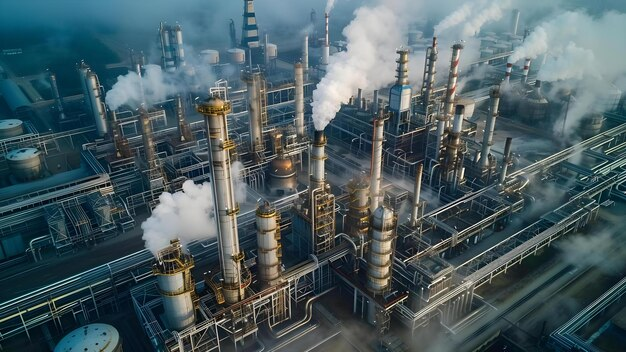
Oil refineries are known to produce air pollution, greenhouse gas emissions, and industrial waste. Environmental groups have long warned that large fossil fuel projects can harm nearby communities if not properly regulated.
The International Energy Agencyhas repeatedly stated that new oil and gas infrastructure could make it harder for countries to meet global climate targets, especially as the world pushes toward cleaner energy alternatives like solar and wind.
Nigeria is already one of the countries most vulnerable to climate change, facing flooding, desertification, and extreme weather events. Critics argue that investing heavily in oil infrastructure may deepen these problems rather than solve them.
Some environmental advocates worry that communities around Lekki could face long-term health risks if emissions and waste are not properly controlled.
Another key question is whether Nigeria is investing in the past while the rest of the world moves toward the future.
Many developed countries are setting timelines to reduce their dependence on fossil fuels. Electric vehicles are becoming more common, and renewable energy is attracting massive global investment.
Governance and trust issues
Beyond economics and the environment, there is also the issue of trust.
Nigeria’s oil sector has long been associated with corruption, poor regulation, and environmental damage, especially in the Niger Delta. Many Nigerians remain skeptical about whether the benefits of the refinery will reach ordinary citizens or remain concentrated among elites.
Questions continue to be raised about transparency, pricing, and regulation. While the refinery is privately owned, it operates within a national system that has historically struggled with accountability.
Without strong oversight, critics fear that the refinery could repeat old mistakes under a new name.

The Dangote project is not the only refinery initiative underway.
Investors have secured funding for another major refinery project in Ondo State, estimated at about $50 billion. If completed, it would become one of the largest refineries on the continent, further expanding Nigeria’s refining capacity.
This shows that Nigeria is making a clear decision to invest heavily in oil processing, even as global energy conversations evolve.
In simple terms, Nigeria’s mega-refinery represents a big bet.
It could finally end the strange situation where an oil-rich country imports fuel. It could strengthen the economy, create jobs, and give Nigeria more control over its energy future.
At the same time, it raises serious questions about pollution, climate change, governance, and whether Nigeria is preparing for a future beyond oil.
The refinery stands as a symbol of both hope and uncertainty, a powerful industrial solution to long-standing economic problems, and a reminder of the difficult choices facing a country caught between development and sustainability.
Whether Nigeria’s new mega-refinery becomes a lasting success or a future burden will depend not just on how much fuel it produces, but on how wisely it is managed, regulated, and balanced against the realities of a changing world.