Nigeria's Energy Transition Needs More Than Renewables — It Needs the Dangote Effect
Nigeria's energy transition, while committed to global climate goals, uniquely prioritizes addressing energy poverty and bolstering economic resilience. The Dangote Refinery introduces the 'Dangote Effect,' a transformative philosophy emphasizing domestic value addition, industrial growth, and energy security, positioning it as a new, development-centric model for the nation's sustainable future.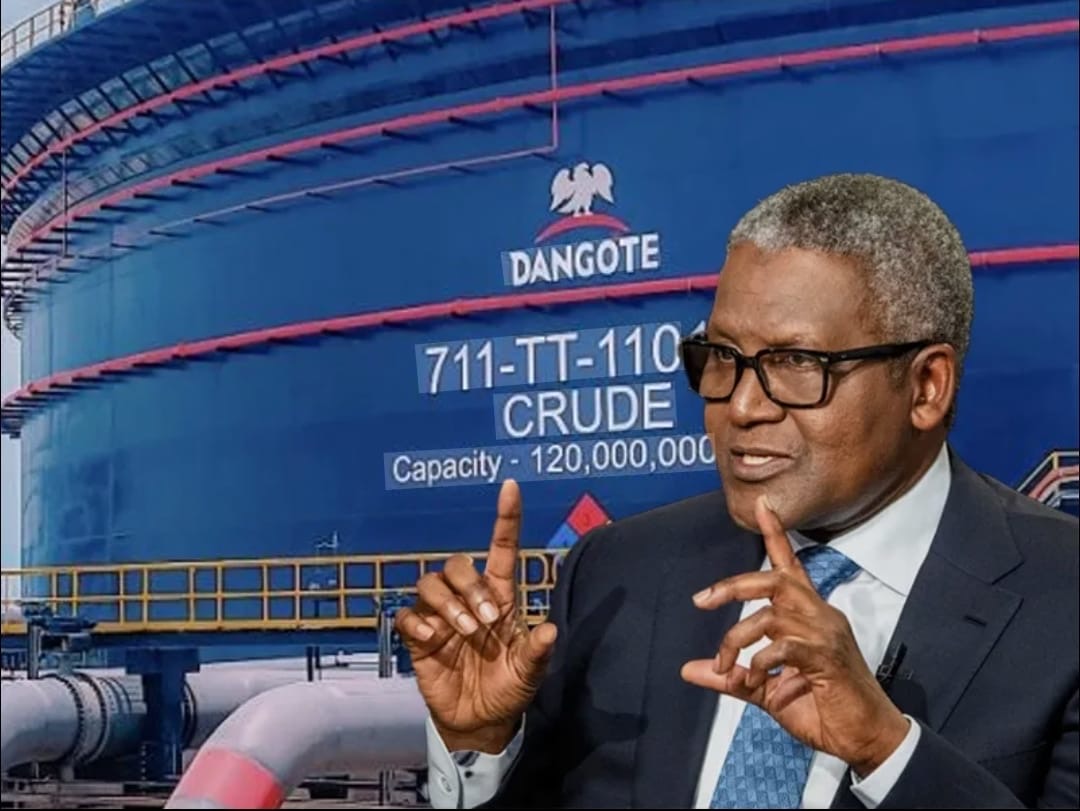
The global push towards cleaner energy has accelerated in recent years, with countries committing to lower carbon emissions and expand renewable energy. Nigeria has also embraced this direction through its Energy Transition Plan, which targets net-zero emissions by 2060. But for Africa's largest economy, the real challenge is energy poverty, not simply carbon emissions.
Millions of Nigerians still lack reliable electricity, industries battle high energy costs, and the economy remains heavily dependent on oil revenues. Any successful energy transition must therefore focus on improving livelihoods by creating jobs, strengthening industries and delivering affordable, dependable energy—not merely replacing fossil fuels with renewable alternatives.
This is where the Dangote Refinery represents a major shift in Nigeria's energy landscape. With a refining capacity of 650,000 barrels per day, the refinery is expected to reduce Nigeria's dependence on imported petroleum products while strengthening domestic energy security. The Dangote Refinery also reflects a broader industrial strategy built around processing Nigeria's natural resources locally instead of exporting crude and importing finished products.
For decades, Nigeria remained one of Africa's largest crude oil producers while importing most of its refined fuel. That contradiction exposed the country to foreign exchange pressures, supply disruptions and volatile fuel prices. Local refining changes that equation, allowing more economic value to remain within Nigeria while supporting industrial growth and reducing import dependence.
The significance of the Dangote Effect extends beyond fuel production. The integrated refinery includes petrochemical and fertilizer plants capable of supporting manufacturing, agriculture and food security.
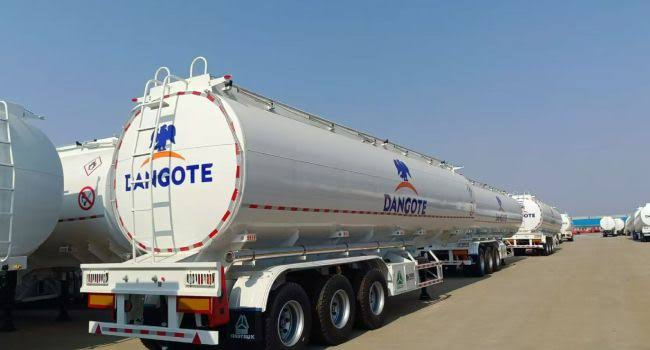
These industrial linkages demonstrate how strategic investments in energy infrastructure can stimulate wider economic diversification rather than relying solely on crude oil exports. The Integrated Petrochemical Complex is expected to supply raw materials for multiple downstream industries.
Nigeria's energy transition must also reflect the realities facing developing economies. Discussions at COP29 reinforced that countries such as Nigeria face the dual challenge of reducing emissions while simultaneously expanding energy access, creating employment and accelerating industrialisation. Climate action cannot come at the expense of economic development.
A practical transition should therefore be measured not only by lower emissions but by its ability to improve people's lives. Greater electricity access, stronger manufacturing, better food security and sustainable job creation are equally important indicators of success. Public support for energy reforms will depend largely on whether Nigerians experience tangible economic benefits.
Ultimately, the Dangote Effect offers a distinctly Nigerian perspective on energy transition. It suggests that sustainable development is not simply about adopting cleaner technologies but about building stronger industries, retaining more value from natural resources and creating long-term prosperity.
Rather than choosing between oil and renewables, Nigeria's future may lie in developing a diversified energy economy where both support national development.
If successfully harnessed, the Dangote Effect could become more than an industrial milestone. It could emerge as a uniquely Nigerian model of energy transition—one that places energy security, economic transformation, environmental responsibility and human development at the centre of the country's future.