Nigeria Demands Two Permanent UN Seats for Africa, Pushes Global Education Financing at UNGA 81
Nigeria, led by Vice President Kashim Shettima at UNGA 81, strongly advocated for a radical reform of the United Nations Security Council, demanding permanent seats for Africa. The nation also pushed for increased education and climate financing for developing countries, emphasizing that global challenges require equitable and reformed international institutions.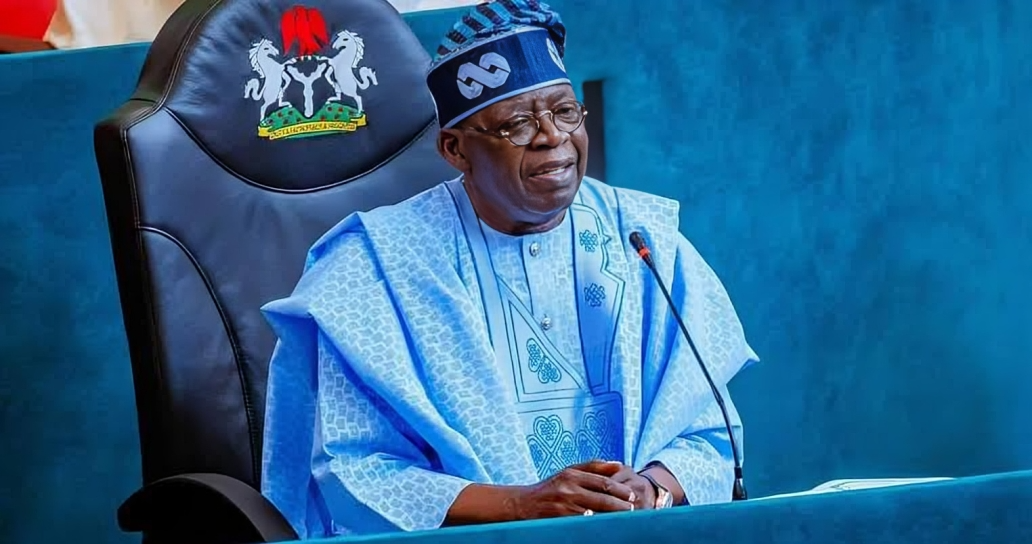
Nigeria has renewed its call for at least two permanent seats for Africa on the United Nations Security Council, with full rights and responsibilities, including veto power for as long as the veto exists. The demand was delivered by Vice President Kashim Shettima on behalf of President Bola Tinubu during the general debate of the 81st United Nations General Assembly (UNGA 81) in New York on Thursday, September 24.
Nigeria also called for five non-permanent seats for Africa, arguing that the Council’s existing structure reflects the distribution of power in 1945 rather than contemporary geopolitical realities.
Beyond Security Council reform, Nigeria used the gathering to advocate for multilateral cooperation, international-law-based diplomacy, peacebuilding, climate finance and reform of the global financial architecture. The country cited its peacekeeping and regional-security contributions in Liberia, Sierra Leone, Darfur, Mali and The Gambia, while calling for stronger international action on conflicts including Sudan and greater attention to humanitarian and human-rights protections.
Nigeria also argued for climate financing that provides developing countries with more affordable and accessible capital, alongside support for energy transition, industrialisation and expanded energy access.
Education financing was another major focus, with Nigeria and Italy strengthening their partnership around the Global Partnership for Education (GPE) campaign to mobilise $5 billion worldwide. At a high-level event on September 23, Shettima said education should be treated as an investment in economic productivity, prosperity and national stability, while Italy pledged €50 million to GPE programmes and interventions; the wider campaign has also attracted additional international commitments.
Nigeria also highlighted its domestic education reforms and financing initiatives, including efforts to strengthen basic education, foundational learning and access to tertiary and technical education. The country further promoted cooperation on artificial intelligence, digital infrastructure, technology entrepreneurship, sustainable development, and the African Continental Free Trade Area (AfCFTA), presenting these areas as part of its broader push for development and greater African participation in global decision-making.