Nigeria's 2027 Elections Spark Frenzy: Voter Register Soars Past 103 Million!
INEC has announced the commencement of nationwide PVC collection on October 9, 2026, as Nigeria's voter register exceeds 103 million. Chairman Prof. Joash Amupitan detailed extensive preparations for the 2027 elections, including new technologies and measures against electoral malpractice and misinformation, while emphasizing media collaboration.
The Independent National Electoral Commission (INEC) has announced that the nationwide collection of Permanent Voter Cards (PVCs) will begin on Friday, October 9, 2026.
This announcement comes as the National Register of Voters in Nigeria has surpassed 103 million.
The INEC Chairman, Prof. Joash Amupitan, has made this disclosure on Monday in Abuja during a strategic workshop for editors, organized by the Nigerian Guild of Editors (NGE) in collaboration with the commission.
Professor Amupitan detailed that the increase in the voter register followed the successful conclusion of a three-phase Continuous Voter Registration (CVR) exercise and the subsequent final cleanup by the Automated Biometric Identification System (ABIS).
The three phases of the CVR exercise recorded a total of 10,772,421 new registrations, and specifically, the first phase, conducted from August 25 to December 10, 2025, yielded 2,611,266 registrations.
The second phase, from January 5 to April 17, 2026, added 4,121,835 voters, and the third phase, held between May 11 and July 26, 2026, saw 3,867,997 new registrations.
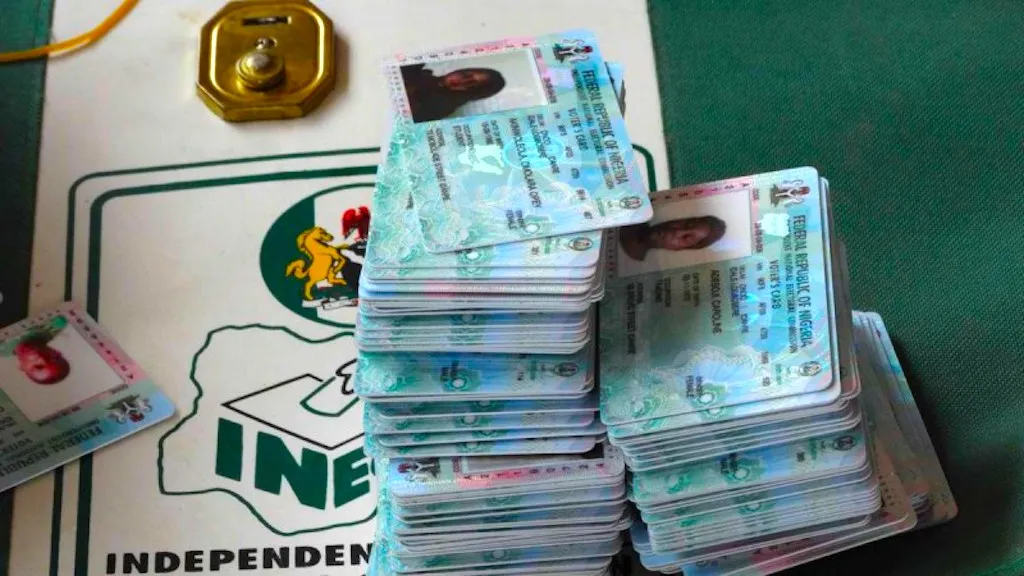
Ahead of the Friday deadline, INEC has already completed the processing and distribution of Phase One PVCs to local government collection centers.
Amupitan specifically urged the media, via the NGE forum, to remind the Nigerian public about the impending nationwide PVC collection and to inform registered voters about collection locations. He emphasized the importance of collecting cards well in advance of the crucial 2027 general elections.
To address difficulties historically associated with physical registration and prolonged waiting for voter cards, INEC has implemented several technological advancements. These include online voter registration and a printable PVC technology.
The printable PVC technology, introduced under Section 18(1) of the Electoral Act 2026, was successfully tested during the Osun governorship election, allowing voters whose PVCs were stolen to still participate.
Furthermore, INEC has acquired 57,000 new Bimodal Voter Accreditation System (BVAS) devices to enhance accreditation processes during the upcoming elections.
Preparations for the 2027 elections are well underway, with INEC commencing nationwide readiness assessments.
Physical audits and staff engagements have been completed in the South-West and North-West geopolitical zones, covering state office facilities, storage, security arrangements, and logistics deployment.
Because similar exercises are planned for the remaining four geopolitical zones. The commission has also progressed significantly on the 2027 election timetable, completing eight of 14 major activities from the revised timetable issued on February 26, 2026.
This timetable has been translated into an operational plan for all levels of INEC. Early procurement and distribution of non-sensitive election materials have begun, and new operational vehicles are being distributed to state and local government areas.
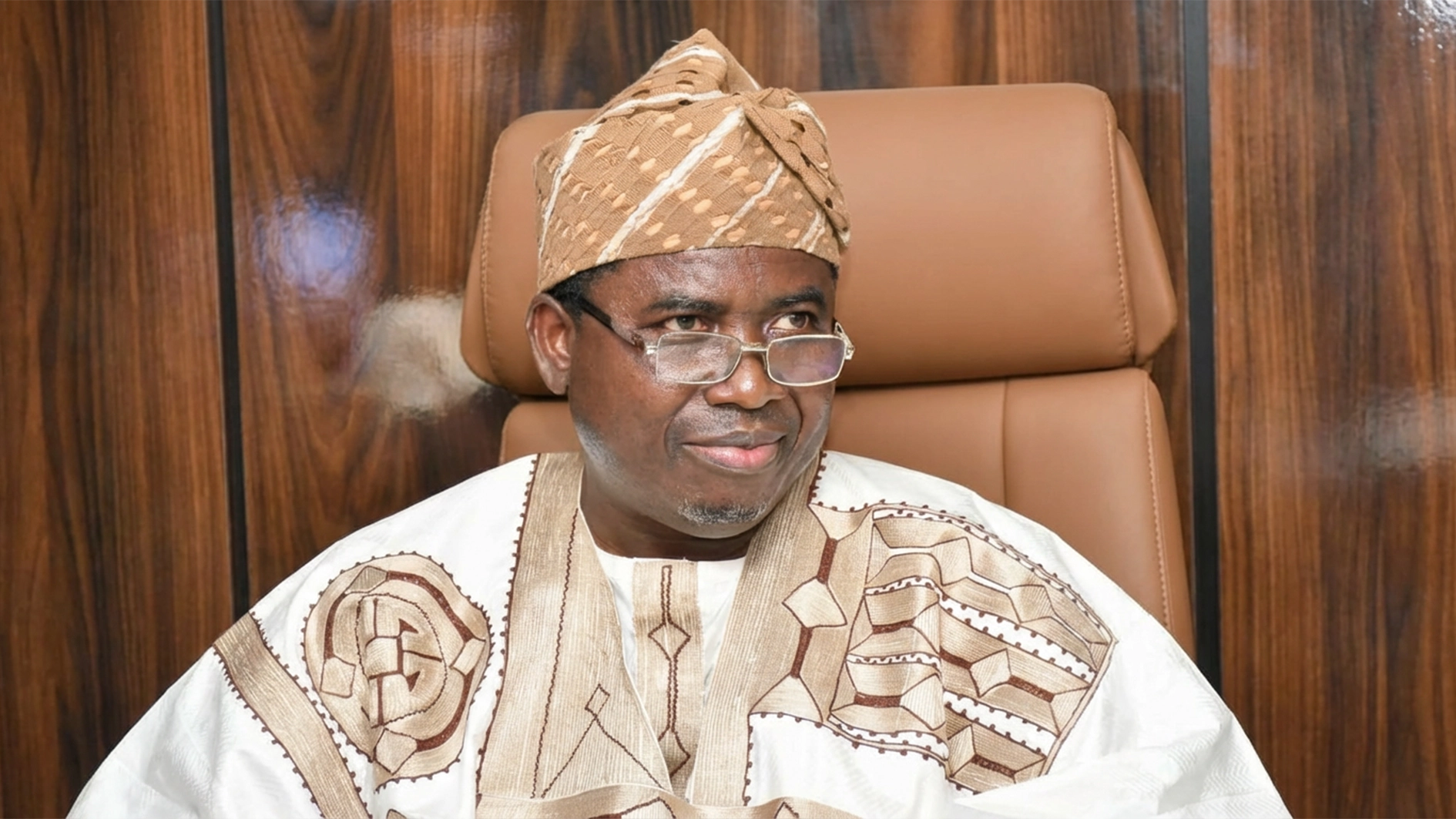
Professor Amupitan issued stern warnings against various challenges to electoral integrity. He cautioned electoral officials and temporary personnel against partisanship and administrative negligence, promising disciplinary action for non-compliance.
This was regarding to vote-buying, INEC plans to collaborate with relevant government agencies such as the Federal Ministry of Justice,theEconomic and Financial Crimes Commission (EFCC), the Independent Corrupt Practices and Other Related Offences Commission (ICPC), and the Nigerian Financial Intelligence Unit (NFIU) to monitor campaign financing and financial inducement.
The chairman stressed that elections must be decided by voter conviction, not a candidate's financial capacity.
He also expressed concern over the proliferation of misinformation, disinformation, deepfakes, and manipulated audio-visual materials, urging editors to strengthen fact-checking before publishing election-related information.

Political parties and candidates were warned against violence, thuggery, and hate speech as campaigns intensify. The Inter-Agency Consultative Committee on Election Security (ICCES) has activated an early-warning framework to monitor political violence and inflammatory rhetoric.
In terms of media engagement, INEC will work with the Nigerian Guild of Editors to establish a regular feedback mechanism, improve electoral information verification, and support the safety of journalists covering the elections.
The NGE President Eze Anaba, in his opening remarks, underscored the media's crucial role in ensuring the credibility of the electoral process through accurate, fair, balanced, and public-interest reporting.
He called for greater openness and regular engagement from INEC, especially in an era of widespread misinformation and manipulated content.
Anaba expressed hope that the workshop would identify weaknesses in the relationship between INEC and the media and develop practical solutions for improved electoral communication.
The presidential and National Assembly elections are scheduled for January 16, 2027, with the governorship and State Houses of Assembly elections to follow on February 6, 2027.