Nigeria Pays by Transfer. CashAfrica Is Betting That It Is About to Change.
CashAfrica is building contactless payment infrastructure for Nigeria's transfer-dominated market. The two-year-old startup is betting on tap-to-pay by becoming the backend nobody sees, and why the real problem is not the technology but the habit.
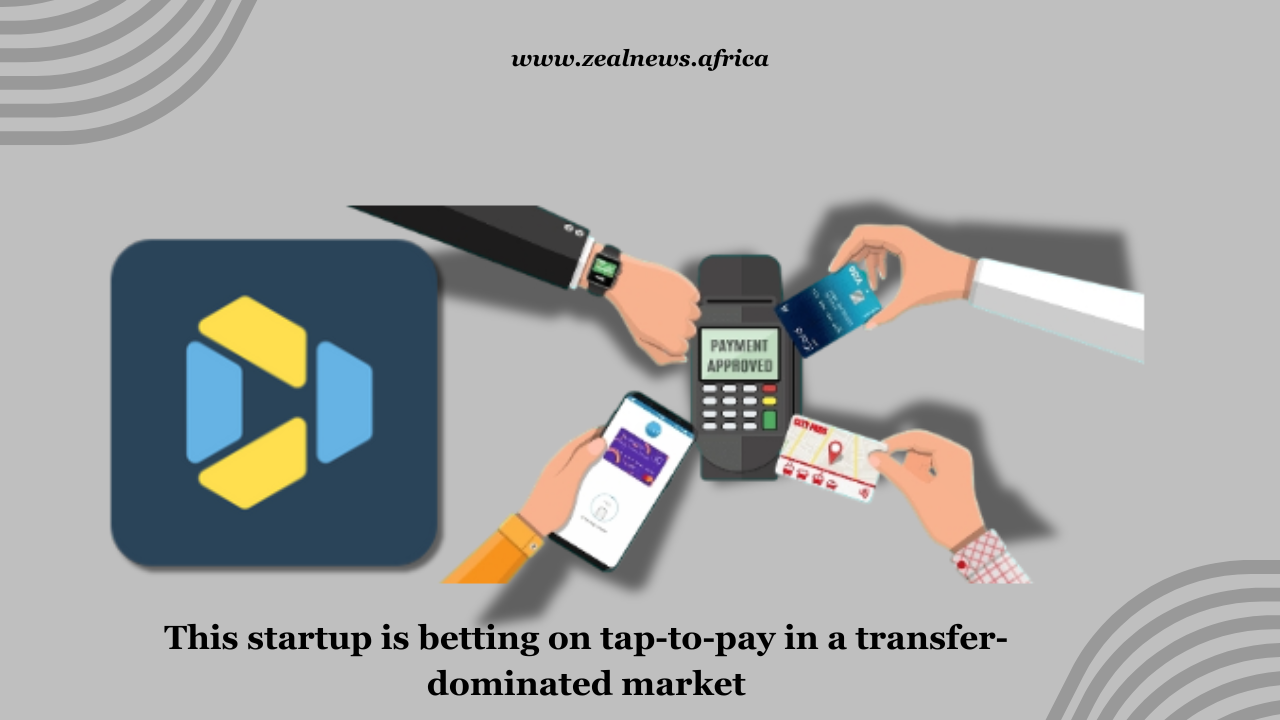
The question in every shop, market, and restaurant is the same: cash or transfer? A two-year-old startup thinks it should be neither.
The moment you get into a mall, have the intention to purchase a product or even want to make payment for a service rendered to you.
You are met with the same usual question which happens dozens of times a day across Nigeria. When you reach the counter, your bill is read out, and before you can reach for anything, the question arrives: cash or transfer?
It is so routine it barely registers as a choice anymore. It is just how things work. Money moves by hand or by bank app, and the entire ecosystem, merchants, customers, banks, fintechs, has organised itself around this pattern.
CashAfrica, a two-year-old Nigerian startup founded by Malik Asamu and Bello Opeyemi, thinks the assumption is ready to be disrupted.
Their argument is not complicated: tapping a phone or card to pay takes one to two seconds. A bank transfer takes longer and the speed advantage of this is real.
The adoption is not, yet and that gap between the obvious benefit and the absent behaviour is exactly where CashAfrica has decided to build.
Building the Thing Nobody Asked For — Yet
The hardest position in any market is not competing with the dominant player. It is convincing a market that a different thing entirely is worth switching to.
Nigeria's digital payment habits did not develop by accident. Instant bank transfers became mainstream because the infrastructure was accessible, a merchant needed nothing more than a phone number or account number, and a customer needed nothing more than a banking app they were already using. The friction was low but the adoption was fast.
Contactless payments face a different entry condition. They require NFC-enabled devices on the customer side, compatible terminals on the merchant side, and a willingness from both parties to try something unfamiliar when the thing they are already using works fine.
CashAfrica has approached this structural problem by positioning itself as the infrastructure layer rather than the consumer product.
Instead of competing with top fintech apps and mobile money operators for customers, it offers APIs that banks and fintechs can plug into, letting institutions that already have millions of users activate tap-to-pay without building the backend themselves.
The model is quietly strategic. A partnership with PalmPay saw CashAfrica deploy tap-to-pay functionality across 1,000 POS terminals in a 2025 pilot.
A partnership with ChamsSwitch handles switching and settlement, and adds the regulatory credibility that makes commercial banks comfortable enough to engage.
Institutions managing 15 to 30 million users, Zenith, UBA, Kuda, cannot deploy new payment infrastructure casually. Compliance is the gate and CashAfrica built toward the gate rather than around it.
The Real Barrier Is Not the Phone — It Is the Habit

The common assumption about contactless payment adoption in Africa is that device penetration is the ceiling.
If people do not have NFC-enabled smartphones, the technology cannot spread. CashAfrica's founders push back on that framing. Their position, supported by their own user surveys, is that device availability is becoming less of a barrier than it was.
The bigger obstacle is behavioural, people do not use tap-to-pay because they have never been given a compelling reason to try it, not because their phone cannot support it.
That is a different kind of problem. Behaviour does not change through specification. It changes through experience. Someone who has never tapped to pay does not have an opinion on whether it is faster than a transfer.

Someone who has done it once, especially in a moment where a transfer would have taken longer, or failed, or required a code they could not remember, has a data point that no marketing campaign can replicate.
CashAfrica's consumer app exists for exactly this reason: not as a product with its own ambition, but as an onboarding surface that lets people experience the technology before the infrastructure is everywhere.
More than two billion naira has been processed through CashAfrica's infrastructure since launch. That number is small relative to the scale of Nigeria's payments market. It is also two billion naira that did not exist as contactless volume before this company existed.
The Bet Underneath the Infrastructure

CashAfrica is not trying to become Nigeria's next super-app. It is trying to become invisible, the backend that processes a tap the customer makes on a PalmPay terminal, or a Kuda wallet, or a Sterling Bank app, without the customer ever knowing CashAfrica was involved.
That is a specific kind of ambition: to matter without being seen.
It is also the kind of ambition that succeeds quietly or fails quietly, depending on whether the behaviour it is betting on actually arrives.
The Central Bank released formal guidelines for contactless payments in 2023. The regulatory intention is there.
The consumer habit is not, not yet. CashAfrica's survival sits in the gap between those two facts, in the wager that infrastructure built early and positioned correctly will be the foundation when the market finally tips.
M