Nigeria Just Opened Its $700 Billion Mineral Wealth to America. What Did We Actually Agree To?
Nigeria's mineral resources are worth $700 billion, and now American companies are being invited in. But what exactly can they do, and what does Nigeria get in return?
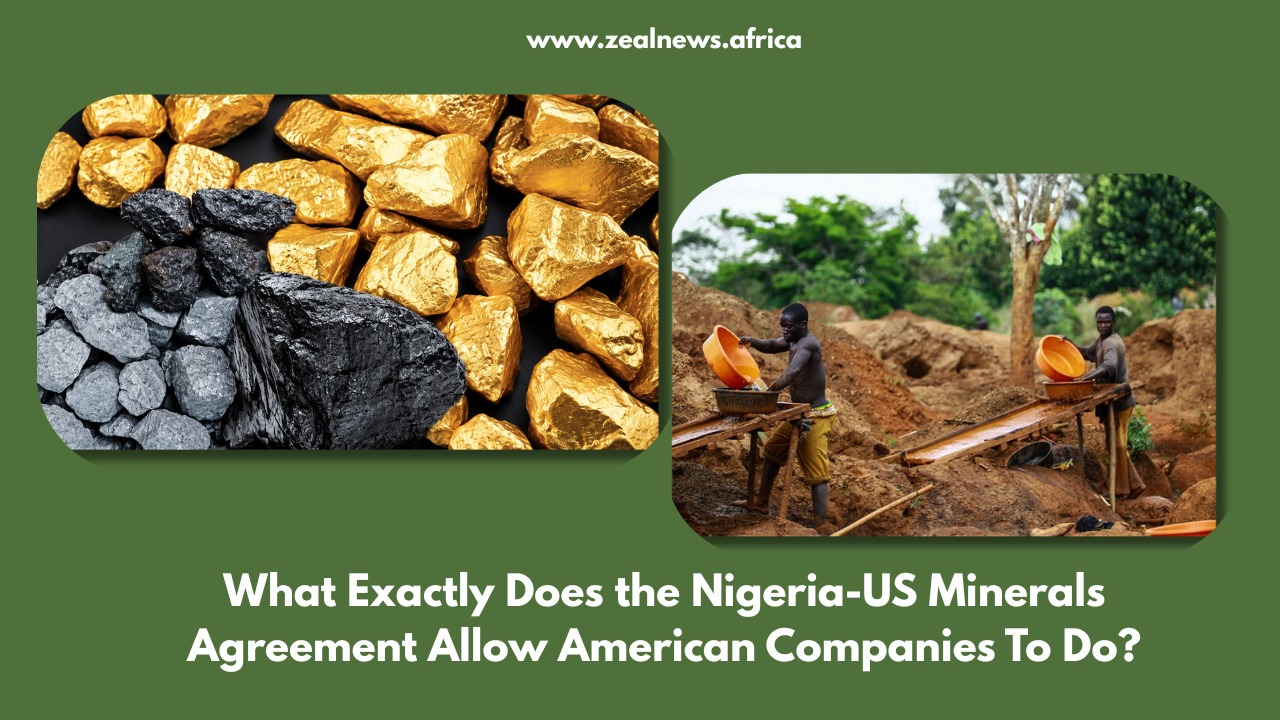
Nigeria has just opened another chapter in its relationship with the United States, and this time, what is underneath the ground is almost as important as what is happening above it.
On Wednesday, Nigeria and the United States signed a framework agreement aimed at attracting American investment into Nigeria’s mining sector and developing the country’s mineral resources, which the Federal Government estimates to be worth about $700 billion.
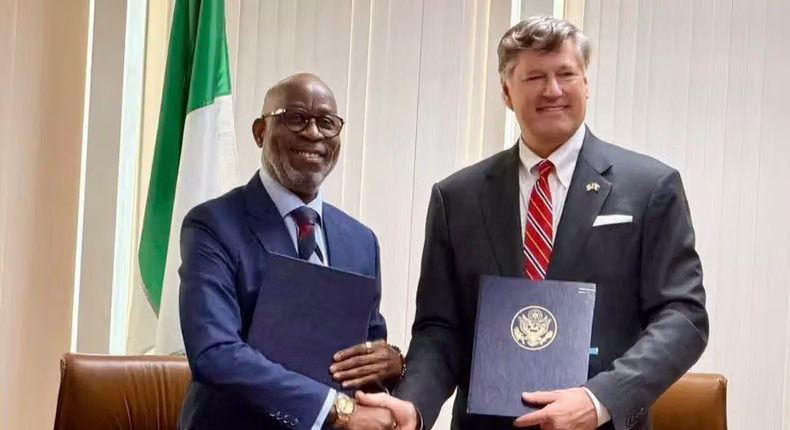
The agreement was signed in New York by Nigeria’s Minister of Solid Minerals Development, Dele Alake, and US Deputy Secretary of State Christopher Landau, on the sidelines of the 81st United Nations General Assembly.
And naturally, the headline became: America now has access to Nigeria’s $700 billion minerals.
That sentence is not entirely wrong, but it leaves out the part Nigerians should actually be paying attention to.
Because the question is not simply whether American companies can enter Nigeria’s mining sector.
It is what they are allowed to do once they get there, what Nigeria gets in return, and how much control the country retains over the resources it is trying to turn into an economic opportunity.
So, What Exactly Can American Companies Do?
The agreement is a framework for investment and cooperation, not a document transferring ownership of Nigeria’s mineral resources to the United States.
According to Nigeria’s Ministry of Solid Minerals Development, the framework covers geological data and exploration, mineral development and processing, infrastructure, and technical capacity.
The government says the next stage will involve identifying viable projects, mobilising investment and building commercial partnerships.
That means an American company could potentially come into Nigeria to explore for commercially viable mineral deposits, invest in mining projects, participate in their development and processing, and support the infrastructure and technical systems required to make those projects work.
But there is an important piece of information buried underneath all the diplomatic language: the agreement itself does not give American companies an automatic licence to mine whatever they want.
Mining rights in Nigeria still operate through the country’s regulatory system.
So an American company interested in lithium, gold, tin or another mineral would still have to pursue the appropriate Nigerian approvals and rights for a particular project.
This is why calling the agreement a sale of Nigeria’s minerals would be inaccurate.
What Nigeria has done is create a more deliberate route for American capital and companies into the sector.
And there is a reason Washington is interested.
Critical minerals have become a strategic issue for major economies because they are important to modern manufacturing, energy technologies, electronics and other industries. The United States is also trying to develop more resilient mineral supply chains and reduce dependence on concentrated sources of critical minerals.
Nigeria, meanwhile, has something Washington wants.

Mineral resources.
America has something Nigeria desperately needs if those resources are going to become an industry rather than another list of things we proudly announce exist underground.
Capital, technology, technical expertise and access to international markets.
That is where the relationship becomes interesting.
Why Does America Want Nigeria’s Minerals Now?
For decades, Nigeria has known that it has significant mineral resources.
The problem has never simply been knowing that the minerals exist; rather, it has been turning that geological wealth into an industry.
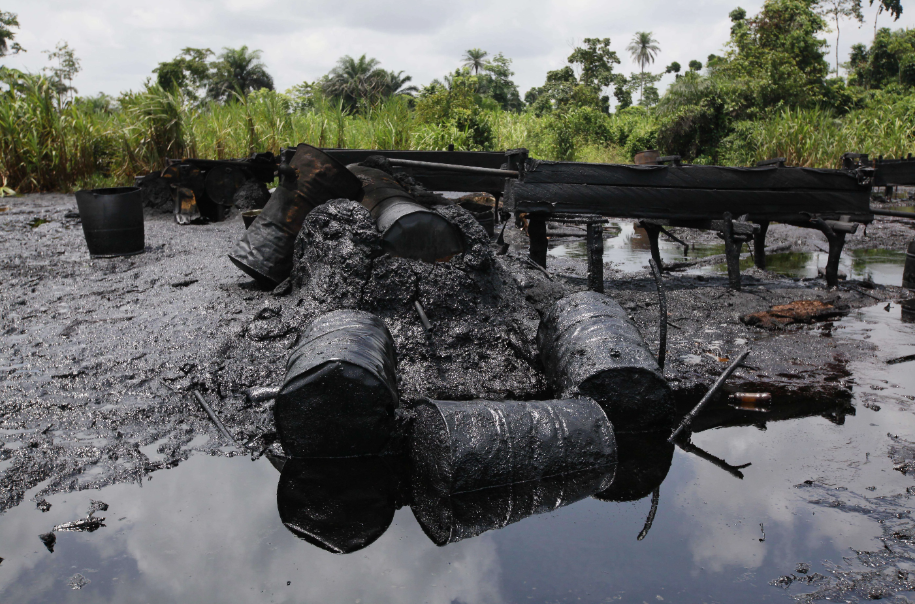
Nigeria’s economy has historically depended heavily on oil, while the mining sector has remained relatively underdeveloped despite deposits of gold, lithium, tin, iron ore, columbite and other minerals.
The government is now trying to change that, and the United States is looking for opportunities of its own.
The global race for critical minerals has become increasingly geopolitical. Countries want secure access to the raw materials needed for technologies and industries that will shape their economic and strategic power.
That gives Nigeria an unusual negotiating position.
The country is not merely asking America to come and invest because Nigeria needs investors.
Nigeria has resources that American companies and policymakers increasingly consider strategically valuable, and this creates room for a potential bargain.
But it also creates a test of Nigeria’s negotiating ability.
The Federal Government has repeatedly said that it does not want Nigeria to remain a place where raw materials are extracted and exported while the more valuable processing happens elsewhere.
Dele Alake made this point directly at the signing. He said Nigeria’s ambition was to move beyond being a source of raw materials and instead develop local processing, skills, jobs and opportunities for Nigerian businesses.
Vice President Kashim Shettima made a similar argument during the Africa Minerals Strategy Group meeting in New York, calling for African countries to move away from exporting raw minerals and build processing and manufacturing industries around their resources.
This is important because the real value of a mineral does not necessarily sit at the point where it is dug out of the ground.
A country that exports raw lithium captures one part of the value.
A country that can process that lithium, develop related industries, train workers, manufacture components and build businesses around the supply chain can capture considerably more.
Nigeria is therefore not just trying to attract American miners. It says it wants investment that helps build an entire mineral value chain, and that brings us to the part of the story that might be uncomfortable.
What Could Nigeria Lose If It Gets The Deal Wrong?
Natural resources can make a country wealthy. They can also make a country very good at exporting wealth, and Nigeria has enough historical experience with oil to understand the difference.
The biggest question surrounding this agreement will therefore not be whether American companies make money.
They are businesses, and making money is rather famously one of their hobbies.
The question will be whether Nigeria makes enough value from the relationship as well.
That depends on what happens when individual projects are negotiated.
How much will companies invest?
How much revenue will Nigeria receive through taxes, royalties and other payments?
How many jobs will be created for Nigerians?
How much processing will happen locally?
Will Nigerian companies participate meaningfully in the supply chains?
What happens to communities where mining takes place?
What environmental obligations will investors have?
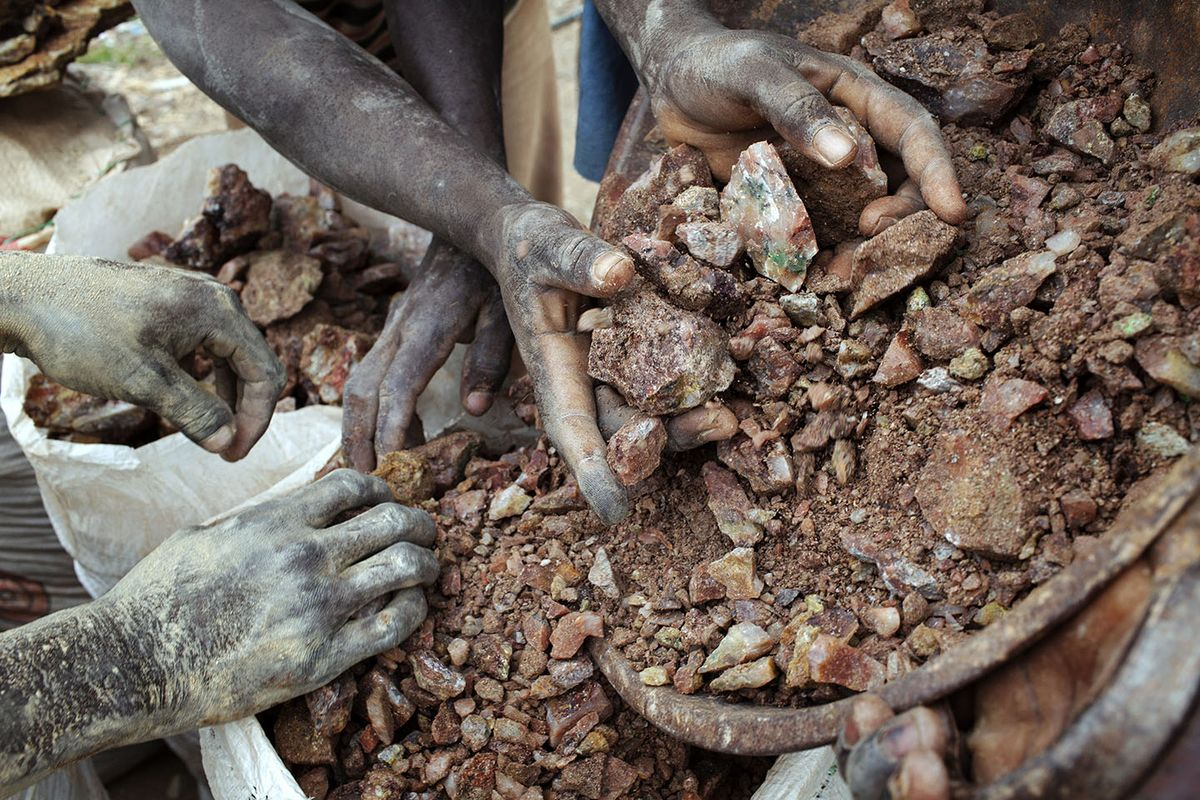
And perhaps most importantly, how much of the value generated from Nigeria’s minerals will remain in Nigeria?
These are questions that cannot be answered by the framework agreement alone.
The government itself appears to acknowledge this. Alake said at the signing that the agreement was only the beginning and that implementation would involve identifying projects and mobilising investments that produce measurable benefits for both countries.
That is where the politics moves from Washington and Abuja into actual contracts.
A framework can open the door.
The terms negotiated behind that door will determine what comes out of it.
Nigeria has spent years talking about diversifying its economy away from oil. If American investment helps build mines, processing plants, infrastructure, technical expertise and Nigerian businesses around the mineral sector, the agreement could become part of that broader industrial strategy.
If, however, Nigeria simply becomes a convenient source of raw minerals for foreign industries, then the country will have succeeded in attracting investment without necessarily building the domestic value it needs.
And maybe that’s exactly why the $700 billion figure should not be the headline Nigerians obsess over.
We should look deeper.