Nigeria Is Demolishing Homes Faster Than It Can Build Them, And Thousands Are Paying the Price
Thousands of Nigerians are losing their homes to government demolitions while rent prices soar beyond reach. What is the human cost of forced evictions and the country’s 20-million housing deficit? Why is housing insecurity becoming one of Nigeria’s most urgent social crises?
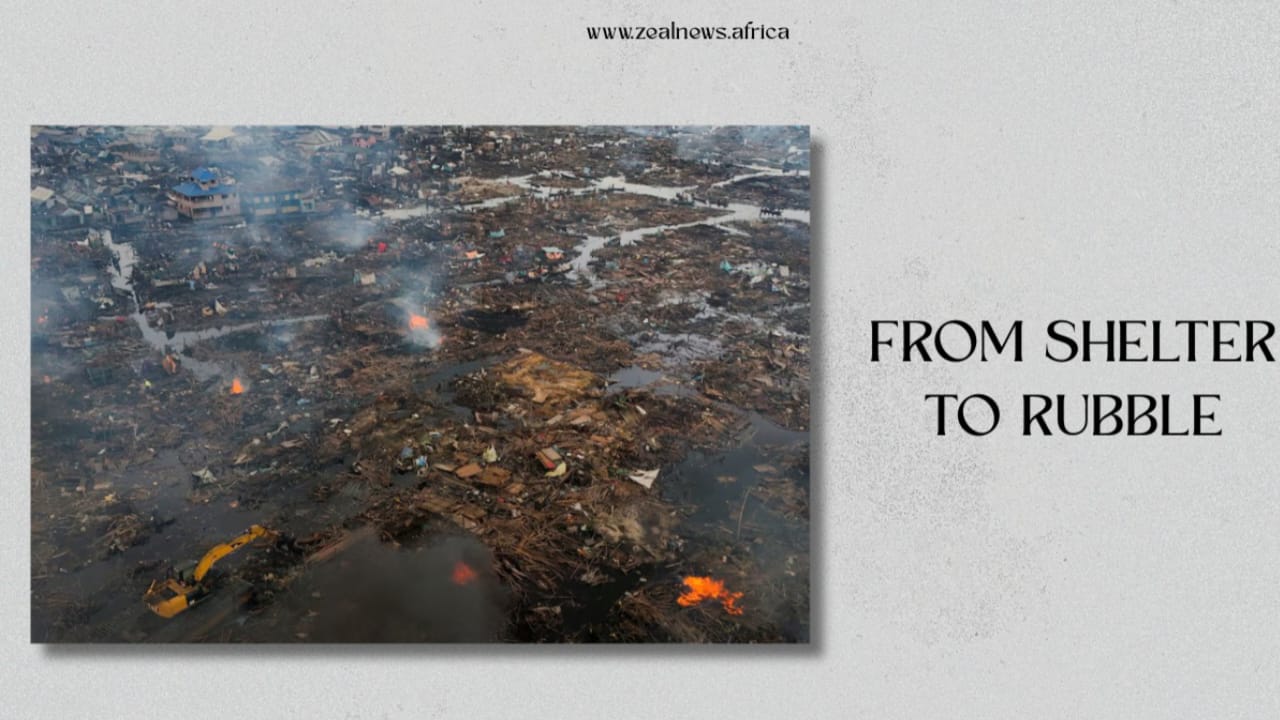
A country already struggling with a massive housing shortage is actively destroying the little shelter many people have left.
At dawn, the sound is unmistakable.
First the shouting. Then the rumbling of heavy machines. Then the cracking of walls that once held families together.
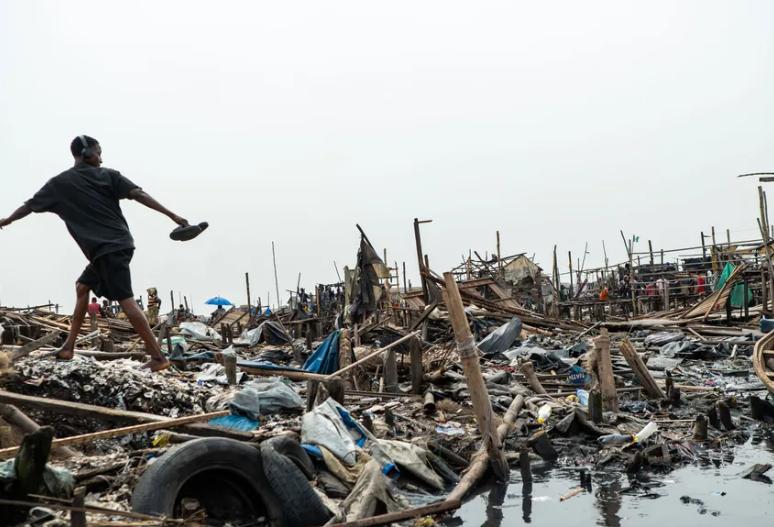
By midday, what used to be someone’s home is rubble.
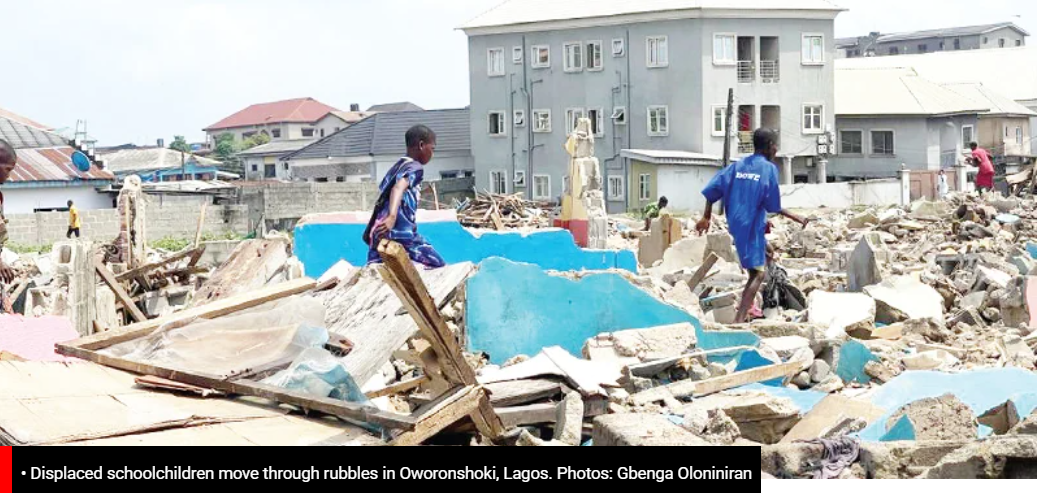
Across communities in Lagos, Abuja, and other Nigerian cities, bulldozers are flattening houses at a pace that has become disturbingly normal. Entire streets disappear in hours.
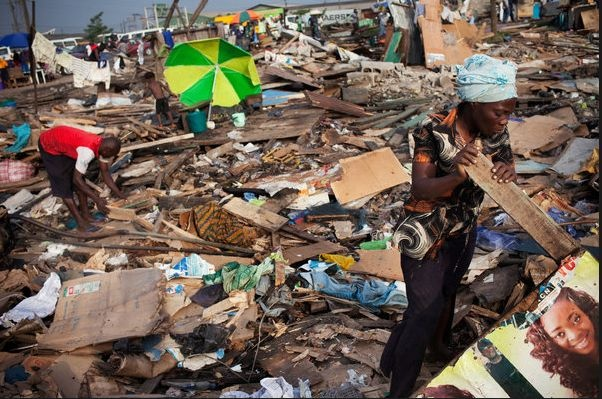
Families scramble to rescue what they can — mattresses, pots, schoolbooks — before everything collapses into dust.
This is not just urban planning. It is displacement on a national scale.
And the most troubling part is this: thousands of Nigerians are losing their homes with little warning, minimal compensation, and almost no alternative housing.
A Nation Already Short of Homes Is Destroying More of Them
Nigeria does not have enough homes for its people. Not even close.
The country’s housing deficit is estimated at around 20 million units, placing it among the most severe shortages globally. At the same time, rapid population growth and urban migration continue to strain already overburdened cities.
Millions of Nigerians depend on fragile housing arrangements: rented rooms, informal settlements, unfinished buildings, or modest homes built slowly over years of savings.
In Lagos State alone, the housing deficit is estimated at about 3.4 million homes. More than 70 percent of residents are tenants, relying entirely on the rental market for shelter.
In a system already under pressure, every demolished building deepens the crisis
At the same time, since over 70 percent of Lagos residents are tenants, meaning most people depend entirely on the rental market to survive.
Social Insight
Navigate the Rhythms of African Communities
Bold Conversations. Real Impact. True Narratives.
Now imagine what happens when homes are demolished in a city that already lacks millions of housing units.
Every demolished building deepens the crisis.
Statistics Say The Scale of Demolitions Is Larger Than Most Nigerians Realize
Over the last few years, demolition has become a regular feature of urban governance in Nigeria.
Investigations into recent demolitions show that more than 2,500 houses have been flattened across the country in recent years, with over 1,500 of those in Lagos alone.
Entire communities have been affected. In areas such as Ilaje-Otumara, Baba Ijora, Oworonshoki, and Amikanle-Alagbado, approximately 15,000 structures have been destroyed, displacing tens of thousands of residents.

But numbers only tell part of the story.
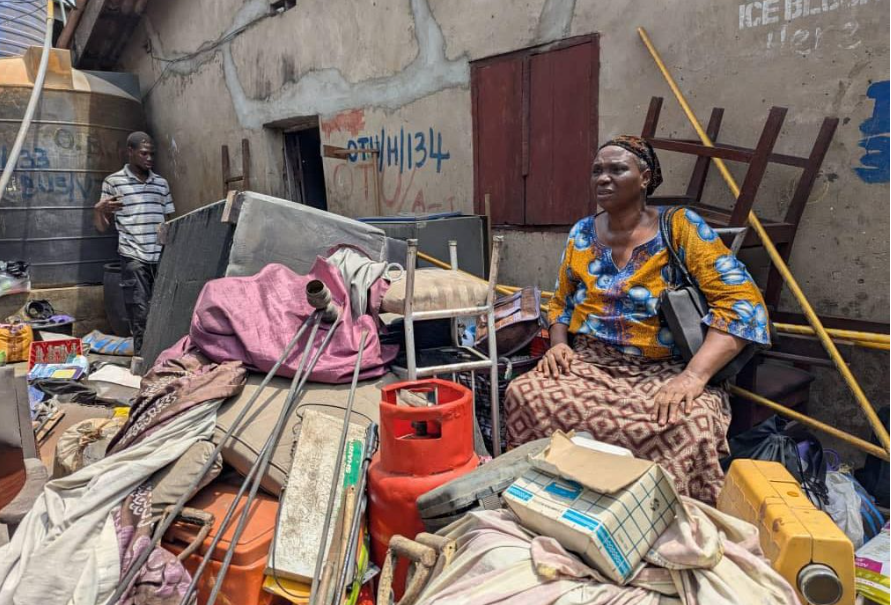
A house in Nigeria is rarely just a building. It is often the result of decades of sacrifice: cooperative savings, family contributions, loans taken with the hope of long-term stability.
When a home is demolished, what disappears is not just shelter. It is security, identity, and years of hard-earned progress.
For many affected families, compensation is delayed, inadequate, or entirely absent. Resettlement plans are often unclear or nonexistent.
What remains is loss.
Even Without Demolitions, Rent Is Forcing People Out
For those who are not directly affected by demolitions, another crisis is unfolding more quietly.
Rent.
Rising construction costs, inflation, and property speculation have pushed housing prices sharply upward. Landlords, facing higher expenses, transfer those costs to tenants.
The result is a rental market that is increasingly out of reach for ordinary Nigerians.
In many neighbourhoods, the cost of renting a single room or modest apartment has risen sharply. For workers earning modest salaries, housing now consumes an enormous portion of monthly income.
Social Insight
Navigate the Rhythms of African Communities
Bold Conversations. Real Impact. True Narratives.
Some families spend more than half their earnings simply to keep a roof overhead.
Others cannot keep up at all.
It is increasingly common to find multiple families sharing spaces originally designed for one household. Living rooms become sleeping areas. Corridors hold mattresses. Privacy disappears as survival becomes the priority.
For many young Nigerians, independent housing is no longer a realistic goal.
Homelessness does not always begin on the streets. It begins when housing becomes unaffordable.
And for millions, that threshold is getting dangerously close.
A Country Must Decide What Housing Means
Housing is more than infrastructure.
It is dignity, stability, and protection.
It is the quiet certainty that a door closed at night will still be there in the morning.
That certainty is fading.
Demolitions continue. Housing shortages remain vast. Rent rises faster than wages. And families who spent years securing shelter can lose everything in a single day.
A country cannot pursue development by pushing its citizens into homelessness.
Nigeria now faces a choice.
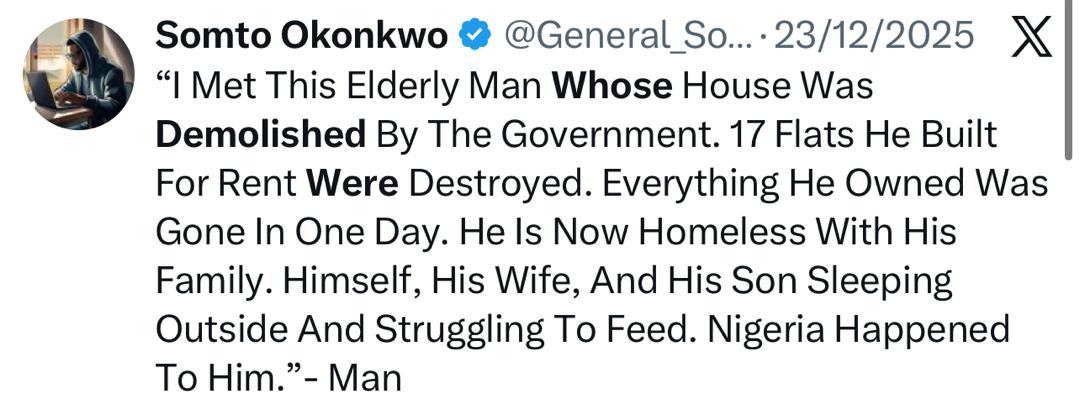
Urban growth without housing protection will continue to produce the same outcome: displacement, instability, and a deepening crisis that no level of construction can quickly reverse.
Because behind every demolished structure is something far more difficult to rebuild.
Social Insight
Navigate the Rhythms of African Communities
Bold Conversations. Real Impact. True Narratives.
A child’s bedroom.
A wall filled with memories.
A place that once felt safe.
For too many Nigerians, that sense of permanence is already gone.