Nigeria Has Gemstones. Why Aren’t More of Them Processed Here?
Nigeria could create more jobs and retain more economic value from its gemstones by investing in local cutting, polishing, certification and jewellery production instead of exporting most stones in their raw form.
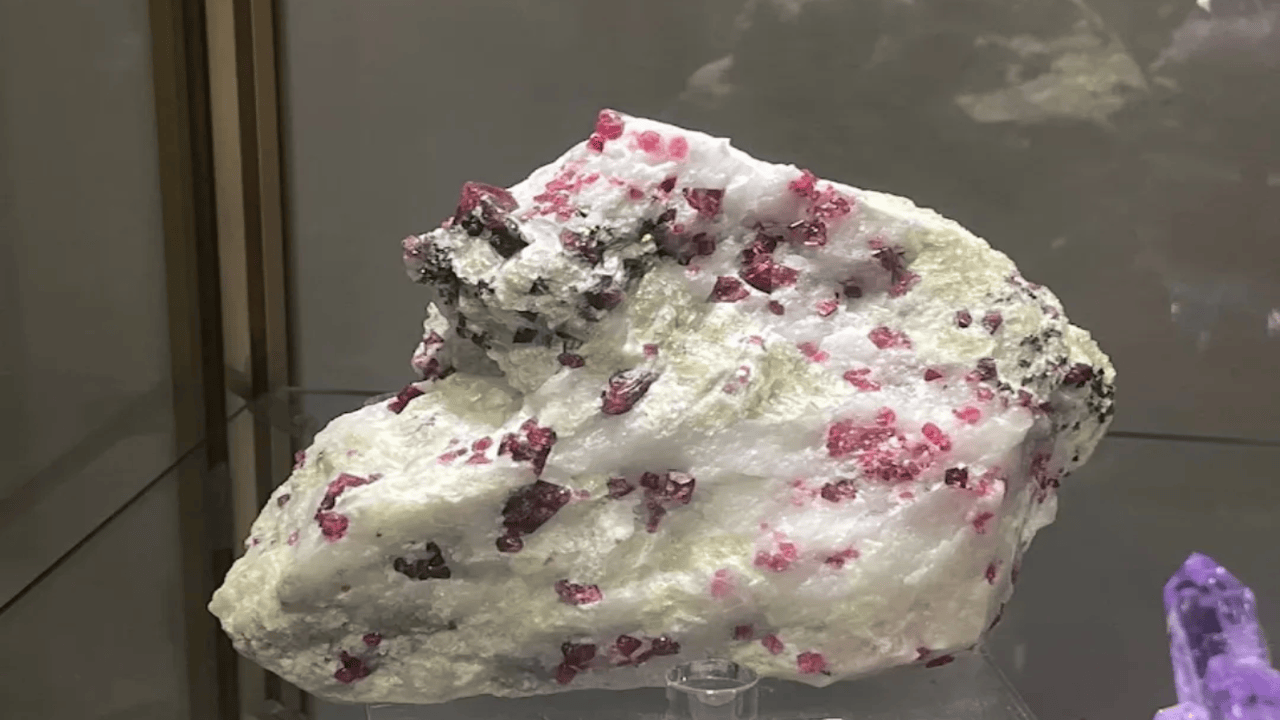
Nigeria is a country with no shortage of natural resources. We have crude oil, natural gas, limestone, gold and other minerals buried beneath our soil. There is so much beneath our feet that we could easily overlook some of what we have.
One of these is gemstones. They come in different colours, shapes and varieties, and can be transformed into beautiful pieces of jewellery. Yet, beyond the people who mine and trade them, how much attention do we pay to these stones, or to the business opportunities they hold for Nigeria?
What happens after a gemstone is mined?
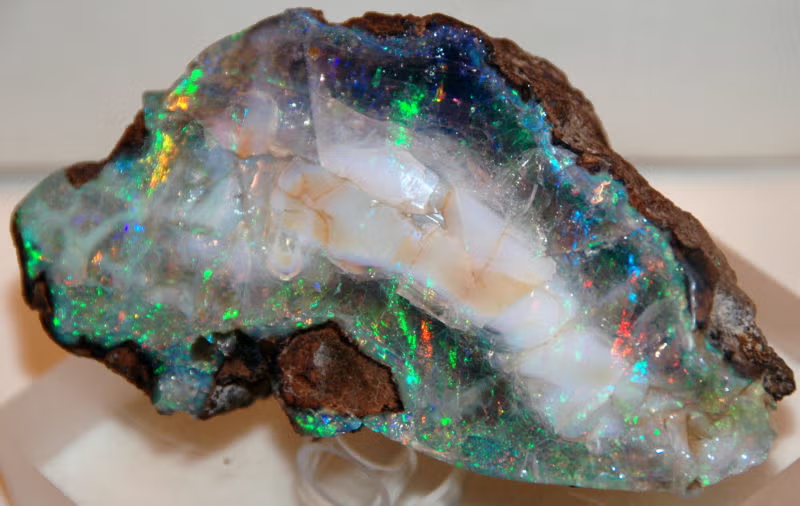
Nigeria produces coloured gemstones, including tourmaline, aquamarine, sapphire, amethyst and quartz. But a rough stone pulled from the ground is not necessarily ready to become a ring, necklace or pair of earrings.
First, the stone must be identified and assessed for quality. A trained cutter then shapes it, while polishing brings out its colour and appearance. Depending on the stone and its intended market, grading and documentation may also be necessary.
These stages require specialised skills and equipment. They also create work for gemologists, cutters, polishers, jewellery designers and traders, extending the business beyond mining.
These activities can generate income beyond the initial sale of the rough stone and that’s the opportunity behind a push for more local processing.
At an October 2026 programme in Ibadan, theNigerian Export Promotion Council (NEPC) said a cut and polished gemstone could be worth 10 to 50 times more than a rough stone. The actual value depends on the stone's quality, size, colour, treatment and market demand, but the estimate points to the commercial potential of processing gemstones locally.
Why More of the Work Needs to Happen in Nigeria

Having gemstones is one thing; building a business around them is another. For many artisanal miners, the difficulties include finding dependable buyers, accessing finance and meeting the standards required by larger markets.
The Nigerian Export Promotion Council (NEPC) identified these challenges at its October 2026 gemstone programme in Ibadan. It said much of Nigeria's gemstone mining remains informal, with limited traceability and access to finance. These conditions can make it harder for miners and local businesses to build reliable supply chains and reach international buyers.
Lotanna Amina Okpukpara, founder of Mina Stones, has encountered some of these challenges through her work with artisanal miners.
In aGemGuide interview, she described the difficulty of establishing responsible supply chains, pointing to weak structures, poor conditions in mining communities and the cost of sourcing gemstones responsibly. Her company works with miners and cooperatives, providing support that includes training, tools and equipment.
There are also proposals to improve the industry's infrastructure. In January, theRaw Materials Research and Development Council and the Plateau State Government discussed plans for a gemstone processing and lapidary centre in Jos, as well as a gemstone exchange and certification hub.
The proposals are intended to make local processing and the marketing of gemstones easier, though they will need investment and implementation before their impact can be assessed.
What Could Help Nigeria Capture More Value?
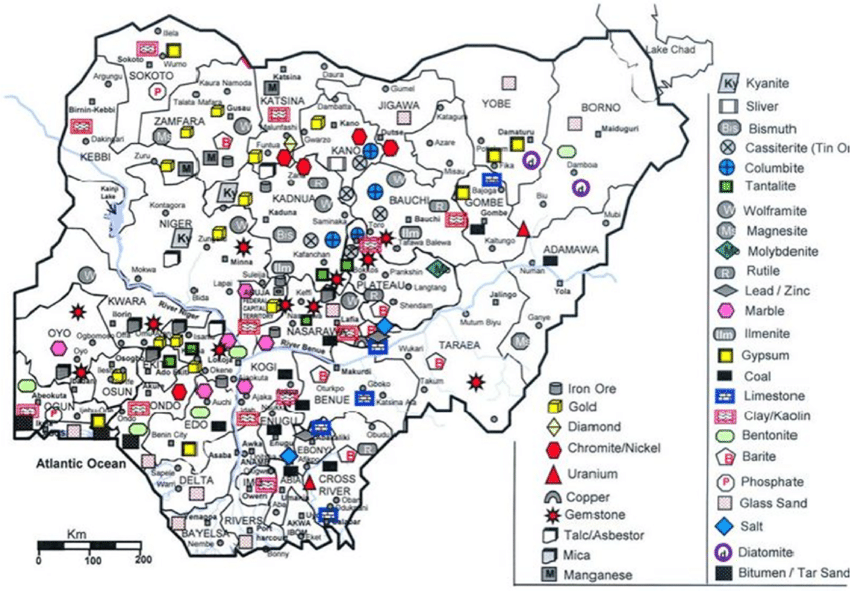
The proposed facilities in Jos are one part of the effort to expand Nigeria's gemstone industry. But processing centres alone will not be enough.
Miners and businesses will need access to the equipment, training, finance and customers that make local processing commercially viable.
The Nigerian Export Promotion Council has called for miners to organise into cooperatives, improve their processing skills and strengthen their access to export markets. These steps could help smaller operators share resources and reach buyers who require consistent quality and reliable documentation.

There is also a market to build at home. Nigerian jewellery designers and manufacturers need dependable access to gemstones, while local cutters and polishers need enough customers to sustain their businesses.
Stronger links between miners, processors and jewellery makers could help more of the trade take place within the country.
Whether these efforts lead to lasting growth will depend on implementation.
The proposed facilities need funding and skilled staff, and businesses need buyers willing to pay for locally processed stones.
Until those pieces are in place, the industry's potential will remain greater than what it can reliably deliver.