Nigeria Has Ended Third-Party Visa Processing in the US. The Bigger Story Is Why
The NIS terminated OIS Services with immediate effect on July 9, 2026, ending outsourced Nigerian visa applications across the US without explaining the decision. Learn what changed, why it matters for visa applicants, and what the new process means for future Nigerian visa applications in the United States.

The Infrastructure Behind Every Nigerian Visa Application in the US Has Just Been Removed. The NIS terminated OIS Services with immediate effect and offered no explanation. That silence deserves its own scrutiny.
Emeka had been planning his trip to Nigeria for three months. His family was expecting him in Enugu for a reunion he had missed the last two times because of work.
He was based in Houston, and the nearest OIS Services visa application centre was about forty minutes away, manageable, factored into the plan.
Then on Thursday, July 9, 2026, he opened his phone and found the news. OIS Services had been terminated with immediate effect. His planned submission route no longer existed.
The embassy in Washington DC, the consulates in New York and Atlanta, three locations covering a country of 340 million people. Houston, Los Angeles, and New Jersey, cities where OIS centres used to operate, were suddenly out of the picture.
What Emeka experienced in that moment is what happens when a government decision reaches a person before a government explanation does. The NIS announcement told him what changed, but it did not tell him why.
Who OIS Services Is, and How Long Nigeria Has Relied on Them
OIS Services, formally known as Online Integrated Solutions, is a visa and passport outsourcing company that has supported Nigeria's consular operations across several countries for years.
In the United States, it operated Nigeria's Visa Application and Submission Centres, providing applicants with locations outside the country's diplomatic missions where they could begin the visa process.
The arrangement expanded access well beyond the Nigerian Embassy in Washington DC and the consulates in New York and Atlanta.
With centres in cities such as Houston, Los Angeles, and New Jersey, applicants could complete key pre-processing steps closer to home, reducing the time and cost associated with travelling long distances simply to submit an application.
Whether ending that partnership will improve visa processes depends entirely on what replaces it. At the moment, however, no replacement has been announced or named.
What OIS Actually Did, and What Disappears Without It
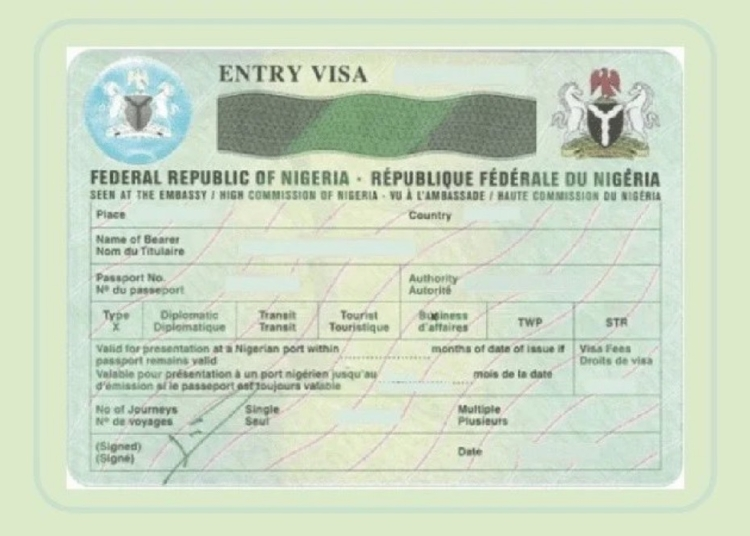
The significance of OIS becomes clearer when you look beyond its name and focus on its function that it renders to Nigerians in partnership with the Nigerian Immigration Service.
Its centres handled the administrative side of the visa process: collecting application documents, capturing biometric data, scheduling appointments, and forwarding completed applications to Nigeria's diplomatic missions for assessment.
Diaspora Connect
Stay Connected to Home
From Lagos to London, Accra to Atlanta - We Cover It All.
The authority to approve or refuse visas always remained with the embassy and consulates; OIS simply made that process more accessible by extending the government's physical reach.
That model is not just unique to Nigeria alone. Countries including the United Kingdom, Canada, and the United States rely on third-party providers such as VFS Global and TLScontact to manage visa application logistics while immigration authorities retain full decision-making powers.
The logic behind this arrangement is pretty simple: embassies are not designed to absorb walk-in crowds across multiple cities simultaneously.
Third-party centres distribute that load while the embassy retains decision-making authority. You do not apply to OIS for a Nigerian visa. You apply to OIS for the privilege of submitting your application to the authorities who actually grant the visa.
With OIS removed, that nationwide support network disappears overnight. Unless stated otherwise, applicants who previously relied on centres in Houston, Los Angeles, or New Jersey must now complete the physical stages of their applications through just three diplomatic missions: Washington DC, New York, and Atlanta.

For many Nigerians in the diaspora, the impact is not merely administrative. It is geographical. In some cases, what was once a short drive has become an interstate journey.
The Silence Is the Story

What the NIS announcement did not include, in any version, across any official channel, was a reason for the discontinued partnership with OIS.
The statement, signed by Service Public Relations Officer DCI Akinsola Akinlabi, confirmed the disengagement and directed applicants to the embassy and consulates.
It offered reassurances that adequate measures had been put in place for seamless processing. It advised applicants to monitor official channels for updates. It said nothing about what went wrong, what the dispute was, or when a replacement arrangement might be in place.
That silence is not a small thing. The abrupt termination of a visa outsourcing contract with immediate effect, in the middle of summer travel season, affecting hundreds of thousands of Nigerians in the diaspora and foreign nationals who require Nigerian entry visas, is a decision with significant operational consequences. Governments that make decisions like this owe the public they serve more than a redirect. They owe an explanation.
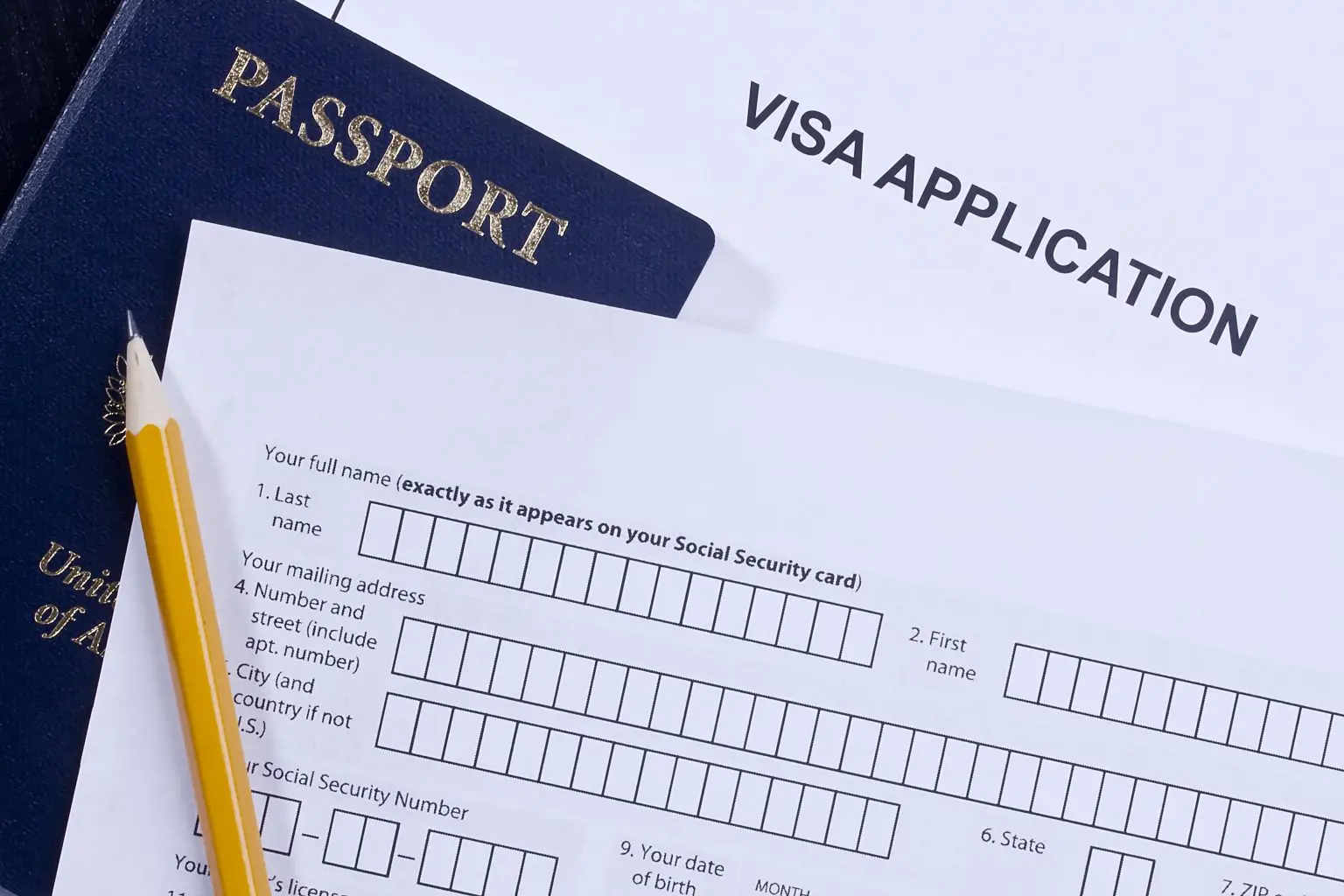
The most likely possibilities run along a predictable spectrum: a contract dispute over fees or revenue sharing, a service quality failure that triggered termination clauses, a political or administrative decision above the NIS's operational level, or the end of a contract cycle without a replacement provider ready to step in.
None of these is implausible. All of them would explain the abruptness. None of them has been confirmed because none has been stated.
What is particularly concerning is the timing. Transitioning a visa application system with immediate effect, without a replacement provider in place and without a clear timeline for when one might be appointed, creates a gap. In immigration systems, gaps are where fraudulent services find their audience.
The NIS specifically warned applicants to monitor only official channels, an instruction that is useful but incomplete without greater clarity about where verified updates will be published.
Advising people not to be scammed is only part of the solution; providing a clear alternative is equally important.
What Applicants Need to Know, and What the System Should Fix
Diaspora Connect
Stay Connected to Home
From Lagos to London, Accra to Atlanta - We Cover It All.
For anyone currently mid-application through OIS, the immediate step is to contact the Nigerian Embassy in Washington DC or the relevant consulate directly.
Applications already submitted through OIS before the disengagement are in a different position from those that had not yet been submitted, and that distinction matters for determining the status of documents, payments, and biometric records.
Direct communication with the relevant mission remains the only reliable way to obtain clarity.
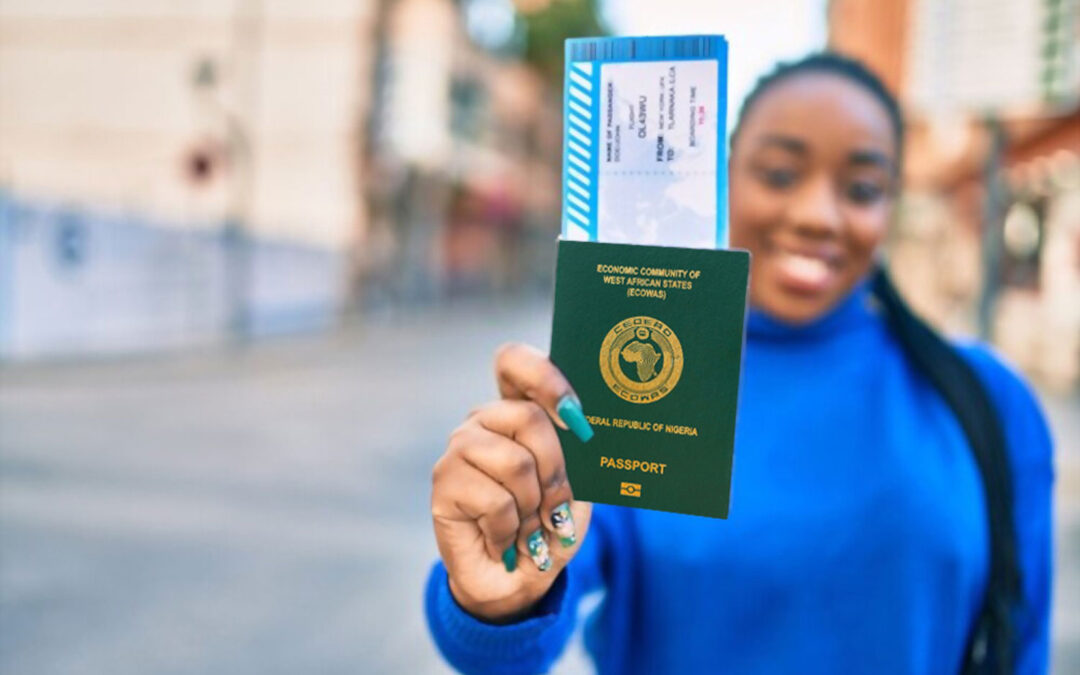
For future applicants, the process now requires completing the online application through the NIS portal, paying the required fees digitally, and then travelling to one of the three diplomatic missions to submit documents and complete biometric enrolment.
For applicants outside commuting distance of Washington DC, New York, or Atlanta, that means factoring an additional journey into both the cost and timeline of obtaining a visa.
The lesson from this episode is one Nigerian government agencies have reinforced repeatedly: when international travel depends on an administrative process, monitoring official policy changes should be part of the planning itself.
Immigration procedures have a history of changing with little transition time, and applicants who assume the system will remain unchanged often bear the consequences.
The NIS has assured applicants that the embassy and consulates have adequate capacity to absorb the additional workload.
That assurance will be tested not by the announcement itself, but by the experience of applicants in the weeks ahead, in appointment availability, processing times, and waiting rooms across the three remaining centres.
In the end, the success of this transition will not be measured by the statement that announced it. It will be measured by whether the next applicant arrives at a Nigerian mission and finds a system that is genuinely prepared for the additional demand.