Nigeria Has a Censorship Problem Disguised as a Standards Problem
Nigeria’s film censors have repeatedly clashed with filmmakers over controversial Nollywood releases, from Half of a Yellow Sun to Gangs of Lagos, and have often struggled to enforce restrictions on streaming platforms. Five banned or censored Nollywood films reveal the limits of the NFVCB in the age of Netflix, Amazon Prime, and online film distribution.
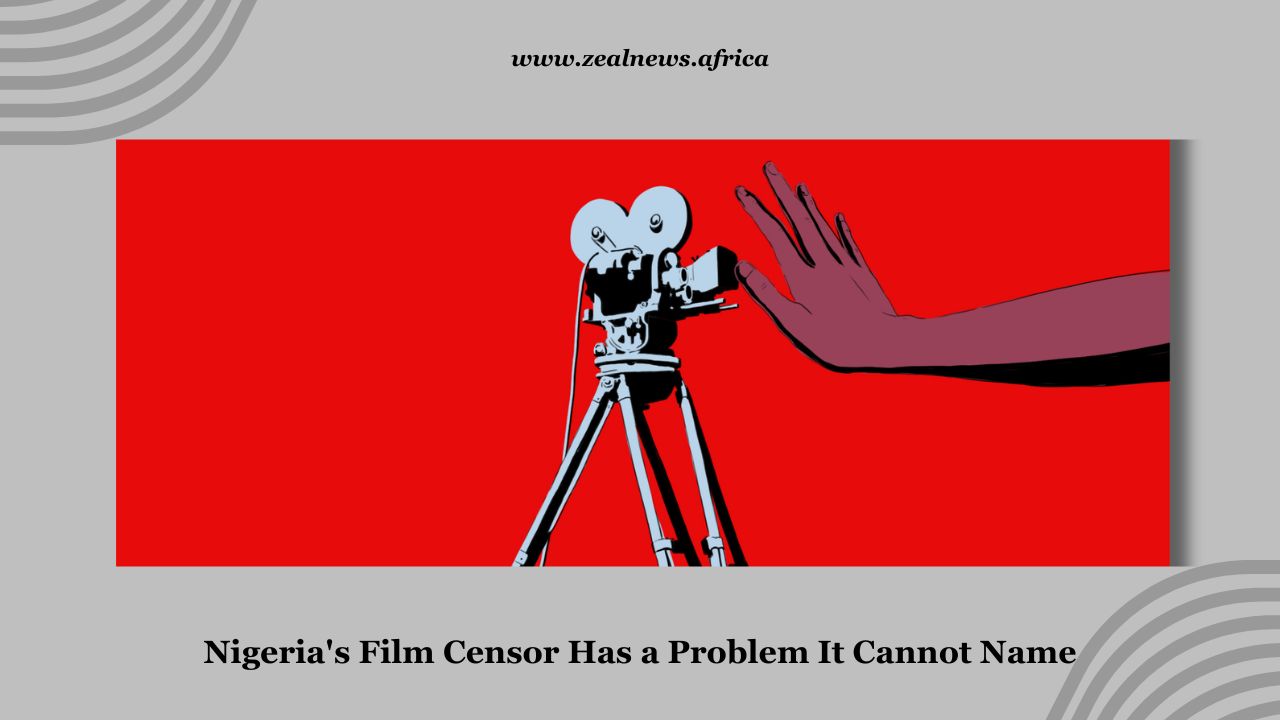
For decades, film regulation in Nigeria has always followed a relatively understandable model. Movies were screened, classified, and approved before reaching cinemas or physical distribution channels. The system was built for an era when regulators could reasonably control how and where audiences consumed content.
When Gangs of Lagos was released in 2023, many Nigerians watched it on Amazon Prime from their phones, laptops, and smart TVs. There was no need for any cinema approval or an application for an NFVCB certificate. The movie went live on a streaming platform, and the internet simply does not wait.
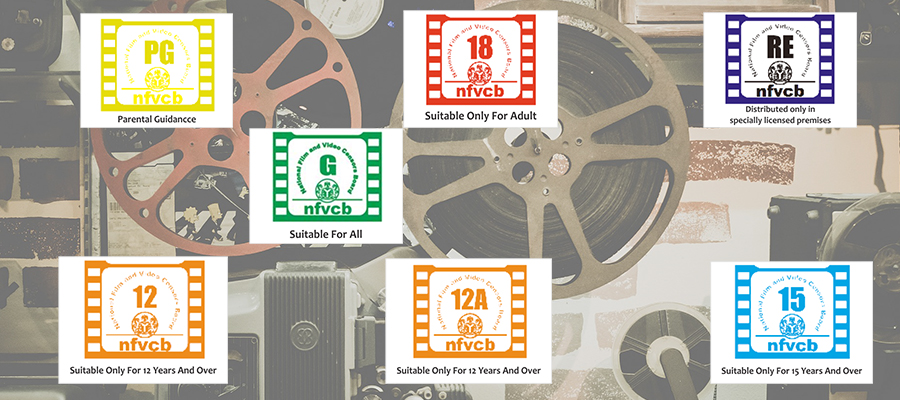
Nigeria has a film regulatory body, the National Film and Video Censors Board (NFVCB), established by Act 85 of 1993, with its clear rules and regulations. Its mandate is clear: to classify, approve, and regulate all films and videos, whether imported or produced locally.
In theory, no film should be exhibited in Nigerian cinemas without its certification. In practice, however, that theory runs into a major challenge whenever a Nigerian film premieres on Netflix, Amazon Prime, YouTube, or any other streaming platform.
The gap between the NFVCB's regulatory authority and the realities of the streaming era is not a small one. It is as vast as the internet itself and the Board has openly acknowledged that fact.
Five Films That Ran Into the Government's Wall
Half of a Yellow Sun (2014): This is perhaps the most discussed case. Based on Chimamanda Ngozi Adichie's award-winning novel about the Nigerian Civil War, the film was given initial approval in July 2014, then abruptly banned before its cinema release.
The NFVCB claimed it could incite violence. Critics called it what it was: a government uncomfortable with the memory of Biafra being on a big screen.
Sugar Rush (2019): Thiswas the number one film at the Nigerian box office, grossing over ₦100 million in under two weeks, when the NFVCB pulled it from cinemas. The official reason was that temporary approval expired.
The more widely believed reason was that the film portrayed the EFCC as clumsy and corrupt, with a fictional EFCC boss revealed to be a criminal. Social media erupted with the hashtag #BringBackSugarRush and the film was reinstated a week later.
The Milkmaid (2020): This movie might probably be the most painful case. Nigeria's official submission for the Academy Awards, a film about Boko Haram's violence in the northeast, told through the story of two Fulani women, was censored so heavily that its director Desmond Ovbiagele had to cut nearly 30 minutes before the NFVCB would classify it.
The board objected to authentic depictions of Islamic practice, fearing the film framed religion as enabling extremism. Most Nigerians never saw it, but it got wider distribution in Cameroon and Zimbabwe.
Gangs of Lagos (2023): This was released on Amazon Prime Video and became one of Prime's top-ten most-watched non-English local originals globally. The Isale Eko Descendants' Union petitioned the NFVCB after the film portrayed their community and the sacred Eyo masquerade as cover for gang violence.
The Lagos State government condemned it, but the NFVCB's response was stark: "Our job does not cover regulating online platforms." The board had no legal backing to act. Years later, a court ordered an apology from the producers and Amazon, but the film had already been watched by millions.
Ìfé (2020): This is a short film about two women in a romantic relationship, it did not receive a theatrical premiere in Nigeria because homosexuality is criminalized under Nigerian law. It quietly premiered online instead, visible to anyone with a connection and the will to look.
Stereotypes, Representation, and Who Gets to Tell the Story
The frustration with Nigerian film censorship is not only about what gets banned. It is about what gets flattened. The NFVCB's guidelines require films to depict perpetrators of evil receiving punishment.
That sounds reasonable until you realise what it does to complexity: every villain must be caught, every moral must be spelled out, every difficult truth must resolve cleanly. The result is a pattern Nollywood audiences know well, films that gesture at social reality without sitting inside it long enough to say anything true.
When Half of a Yellow Sun was banned, the official worry was incitement. The real wound was erasure, the story of the Igbo people during the Civil War, told by Adichie and adapted by Biyi Bandele, judged too dangerous for Nigerians to see.
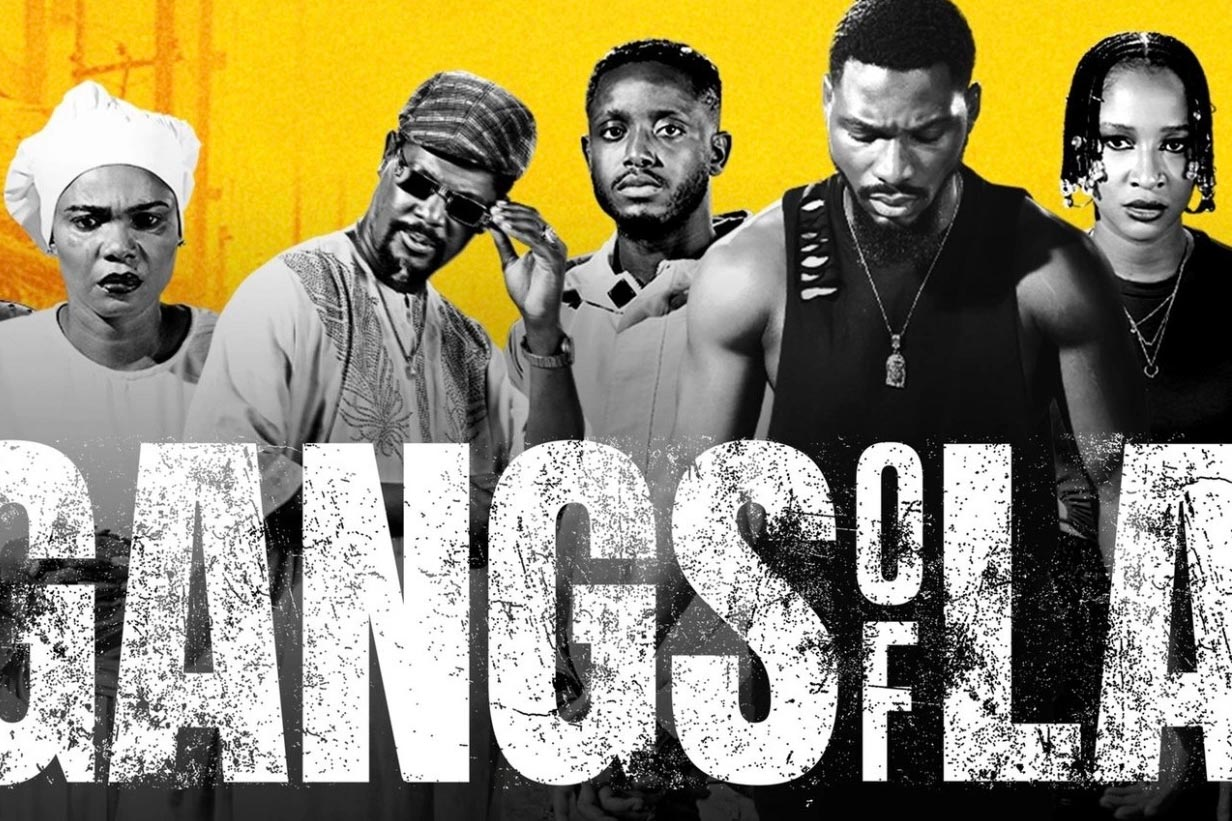
When Gangs of Lagos was condemned, the complaint was defamation of Lagos culture. But the conversation underneath was older: who decides which version of Lagos is the real one? Who has the authority to say that Isale Eko cannot be shown in darkness, even in fiction?
Representation in Nigerian film has always carried weight precisely because the country's diversity is enormous and its wounds are still fresh. A Fulani milkmaid on screen, a Yoruba masquerade re-imagined, an Igbo war survivor's grief, these are not neutral images. That is exactly why they matter. And it is exactly why regulation, when applied without nuance, becomes a form of silencing.
The Regulator That Cannot Regulate the Internet

The NFVCB's Adedayo Thomas said in 2023 that the board has no legal backing to regulate what is exhibited on streaming platforms. No cinema or movie debut? Then there was no problem. The law was written for a world of physical theatres and VHS cassettes.
It was not written for Amazon, Netflix, or YouTube, and it has not been meaningfully updated to account for them.
Nigeria can, in theory, regulate what is shown in its cinemas. It cannot regulate what millions of its citizens stream at home, on their phones, in their bedrooms. The MOPICON Bill proposed in 2020 sought to extend government licensing power over filmmakers themselves, effectively making the person, not just the content, subject to government approval but critics saw it for what it was: a way to punish creators before the camera rolls.
The uncomfortable truth is this: Nigerian audiences are not waiting for approval. They are watching what they want, talking about what they watch, and making noise when they disagree.
The films that got banned or censored became the films most talked about. The internet, as it turns out, is a very poor candidate for a ban.