Police Council Confirms Tunji Disu as Nigeria Inspector General Of Police
Acting Inspector-General of Police Tunji Disu's appointment has been ratified amid national debate over ethnicity in governance and the legality of police leadership selection. He faces the critical tasks of reforming the Nigeria Police Force, combating insecurity, and restoring public trust, while potentially overseeing the challenging transition to state policing. This pivotal role requires him to address systemic corruption, improve police welfare, and uphold the rule of law against practices like unlawful compulsory retirement.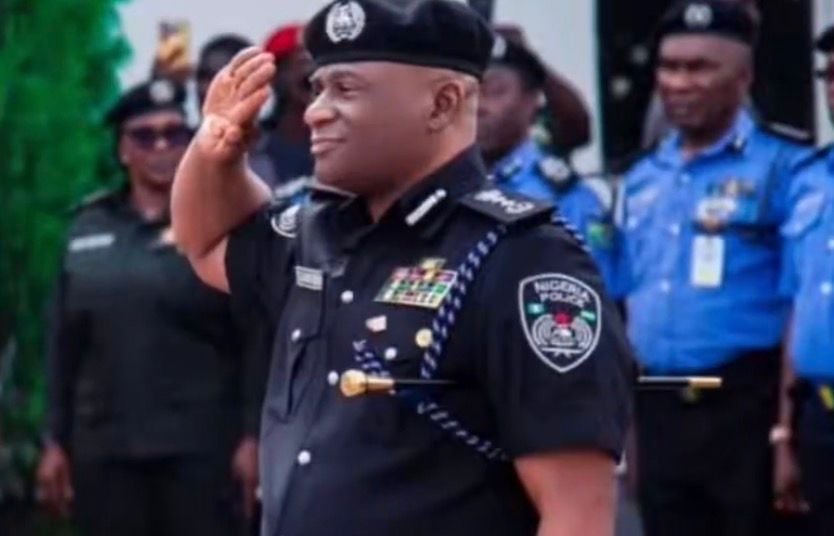
The governance terrain of Nigeria has continued to be strained by persistent ethnic and religious considerations, which increasingly shape public discourse and high-level appointments.
Critics have always argued that political actors have entrenched a “divide and rule” strategy, deepening distrust among ethnic groups and reducing national issues to tribal calculations.
Observers often contrast this climate with earlier periods, such as the 1979–1983 Second Republic, when top constitutional offices were distributed across regions and faiths without the intense agitation seen in recent cycles, including the vocal ethnic campaigns that characterized the 2023 presidential race.
The controversy resurfaced following the appointment of Acting Inspector-General of Police (IGP) Olatunji Disu after the resignation of Dr. Kayode Egbetokun.
Social media reactions and some reports suggested that Deputy Inspector-General Frank Emeka Mba was overlooked because of his Igbo ethnicity.
However, a closer reading of the legal framework complicates that narrative. Both officers reportedly joined the Police Force in 1992, making DIG Mba due for retirement in 2027.
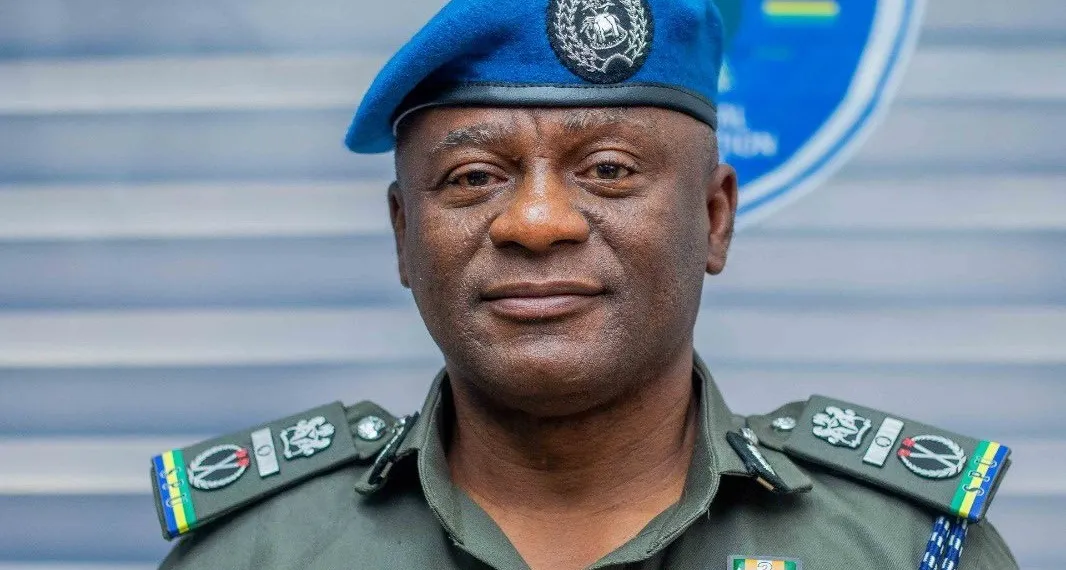
Under Sections 215 and 216 of the 1999 Constitution and Section 7(2) of the Nigeria Police Act 2020, the President appoints the IGP from serving officers not below the rank of Assistant Inspector-General, on the advice of the Nigeria Police Council (NPC).
The law does not mandate strict seniority, meaning eligibility extends to qualified AIGs and DIGs, and the President retains final discretion.
On this basis, the claims of ethnic exclusion lack firm constitutional grounding.
Another pressing institutional concern is the longstanding practice of compelling senior officers to retire when a junior is appointed IGP.
Courts have increasingly ruled against this convention. In Moses Ambakina Jitoboh v Police Service Commission (2025), the compulsory retirement of a DIG was declared unlawful, null, and void, leading to reinstatement and damages.
The judgment reaffirmed that police employment carries constitutional and statutory protection, and that the Police Service Commission cannot act beyond its legal powers.
Asides the legal disparity, forced retirement drains the Force of experienced personnel at a time when Nigeria faces acute security challenges and remains under-policed by international standards.
Following unanimous ratification by the Nigeria Police Council chaired by President Bola Tinubu, Acting IGP Disu assumed office with significant goodwill and high expectations.
Commended for his record in Lagos, Rivers State, and the FCT, he has pledged zero tolerance for corruption, renewed professionalism, and restoration of public trust.
His tenure coincides with mounting calls for structural reform, including the proposed creation of state police, which would require constitutional amendment.
Tasked with combating banditry, terrorism, and organized crime while reforming internal welfare and operational standards.
Disu steps into office at a defining moment for Nigeria’s security architecture, where performance—not ethnicity—will ultimately determine public judgment.