Natural Hair and the Corporate Office: Why “Professionalism” Still Has a Texture Problem
Natural hair isn’t unprofessional; corporate culture made it that way. From classrooms to offices, this article exposes how hair policing, internalized racism, and colonial standards still shape who belongs at work.
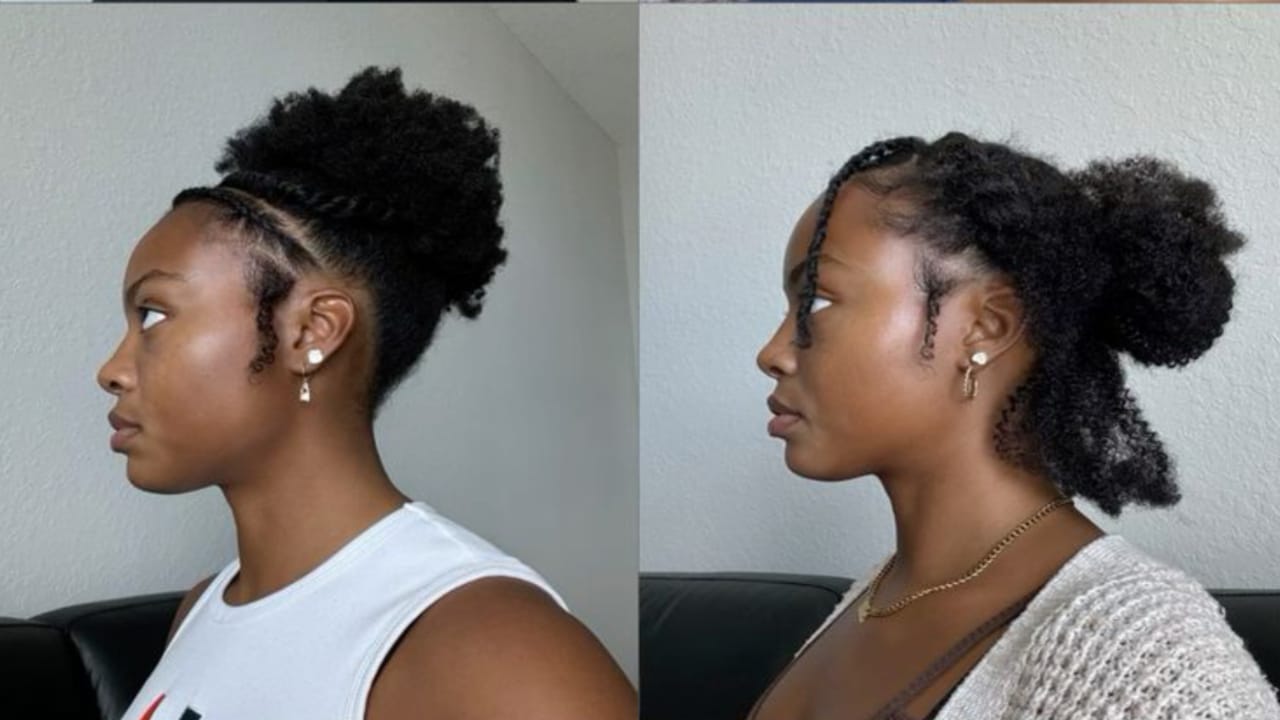
It started in secondary school.
It started when a Black student was told her hair was “rough” or “not neat,” while the foreign student beside her wore the same texture without consequence.
It started when teachers enforced grooming rules selectively, disciplining natural hair while ignoring it elsewhere. Long before employment contracts, young Black people learned a quiet lesson: your natural state is a problem.
This is what many now recognize as internalized racism, absorbed early and normalized so thoroughly that by the time adulthood arrives, the policing feels inevitable.
By the time you enter the workplace, the script is already familiar.
The First Lesson of Work Happens in the Mirror
The first lesson many Black people learn about work does not come from a handbook or HR onboarding. It comes from standing in front of a mirror, deciding whether to change themselves before stepping outside.
Before the interview, before the CV, before the handshake, there is a silent calculation: Is my hair acceptable?
Not clean, not neat but acceptable.
A corper recently made a video on how she was rejected by her PPA because of her hair. She claimed that the interviewer said her hair looked unkempt.
Across corporate spaces globally, natural hair is treated as a professional risk. The discrimination rarely announces itself openly. Instead, it hides behind one of corporate culture’s most overused words: professionalism.
Corporate grooming policies almost never say “no Afros” or “no locs.” They do something more insidious. They use coded language, tidy, conservative, polished, and accompany it with visual standards rooted in Eurocentric aesthetics.
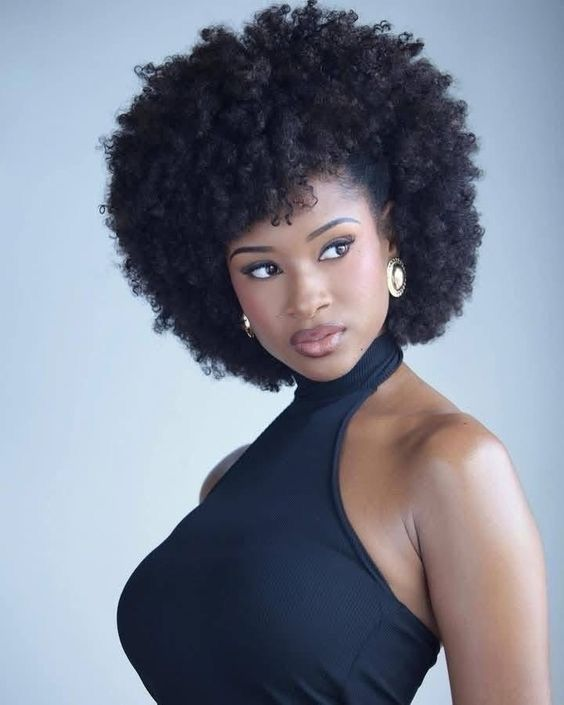
Research from the Perception Institute in the United States shows that Black women are significantly more likely to be judged as unprofessional based on their hair alone.
Natural styles such as Afros, twists, and locs are consistently rated more negatively than straightened hair. Similar findings have emerged in the UK and across parts of Africa, particularly in multinational firms that inherit Western corporate norms.
This is not about hygiene, neither it is about comfort.
And whose comfort is prioritized.
When Biology Becomes a Workplace Liability
Natural hair is not a trend, nor not a statement. It is biology.
Afro-textured hair grows upward and outward. It coils and shrinks. It does not conform to gravity without chemical or heat manipulation. Yet corporate systems continue to reward those who alter their natural state to resemble a narrow aesthetic ideal.
The cost of that compliance is substantial. Chemical relaxers have been linked in peer-reviewed studies to scalp burns, hair loss, and long-term exposure to endocrine-disrupting chemicals.

Financially, maintaining straightened hair requires continuous investment. Psychologically, it demands constant self-surveillance.
What corporate language frames as “polish,” many Black employees experience as erasure.
However, hair bias does not end at hiring. It follows employees into performance reviews, client-facing assignments, leadership pipelines, and informal office politics.
Organizational psychology research consistently shows that employees who feel pressure to suppress aspects of their identity report lower job satisfaction, diminished engagement, and higher burnout. When someone must evaluate whether their hairstyle will affect how seriously they are taken in meetings, their cognitive load increases, and productivity declines.
This is not insecurity, it is structural pressure.
Africa Is Not Immune, It Is Complicit
There is a persistent myth that hair discrimination is a Western problem. It is not.
Across African corporate spaces, natural hair is often framed as unserious or rebellious, particularly for women. Locs are read as nonconformist. Afros are described as distracting. Braids are tolerated only when they mimic straightness.
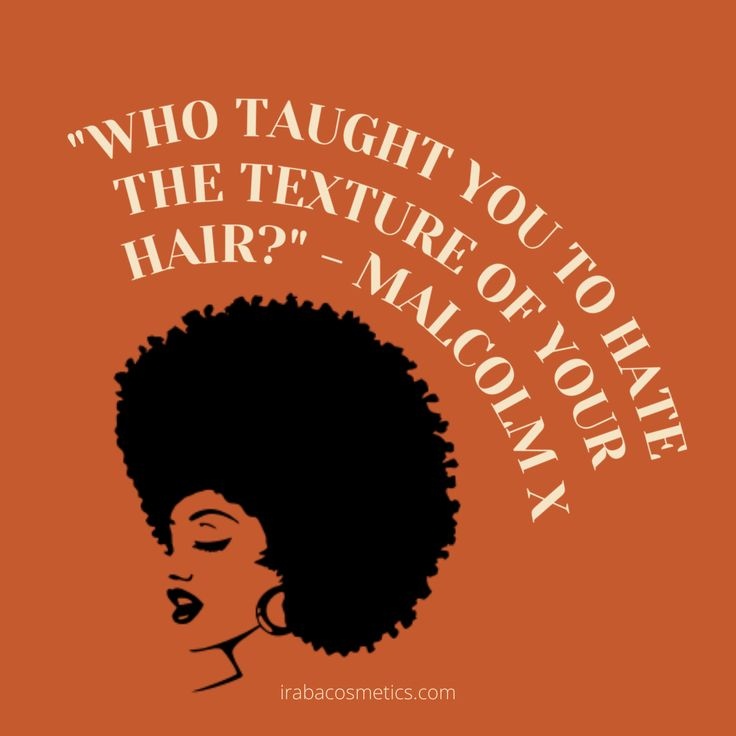
This is not African professionalism, It is colonial residue.
Many grooming standards enforced in African offices were inherited wholesale from colonial administrations and multinational corporate cultures. They were never designed for African bodies, yet they continue to dictate acceptability in African spaces.
Law Is Catching Up But Slowly
Globally, legal frameworks are beginning to expose this bias. In the United States, the CROWN Act explicitly prohibits discrimination based on natural hair textures and styles in workplaces and schools. Similar protections exist in parts of Europe and the Caribbean.
While many African countries lack explicit hair discrimination laws, public backlash and legal challenges have already forced institutions to revise outdated grooming policies.
Law often follows culture, but culture also resists change.
Young adults entering the workforce today have a fundamentally different relationship with identity and power. They are less willing to assimilate silently and more likely to interrogate inherited norms.

The Question Corporate Spaces Must Finally Answer
The issue is not whether natural hair is professional.
The issue is why professionalism was ever defined in a way that excludes it.
If competence, ethics, and performance are truly the measures of professionalism, then hair texture should be irrelevant. If appearance continues to outweigh output, then the problem is not the employee’s hair. It is the organization’s values.
Natural hair is not a disruption to corporate culture. It is a mirror, reflecting who workplaces were built for, and who they still struggle to include.
And until that reflection becomes uncomfortable enough to force change, the toxicity will remain embedded in policies, performance reviews, and unspoken expectations, quiet, normalized, and deeply damaging.