Morocco's First Woman Prime Minister: 5 Things to Know About Fatima Ezzahra El Mansouri
Morocco has appointed its first woman prime minister. Here are 5 things to know about Fatima Ezzahra El Mansouri, her career and historic appointment.
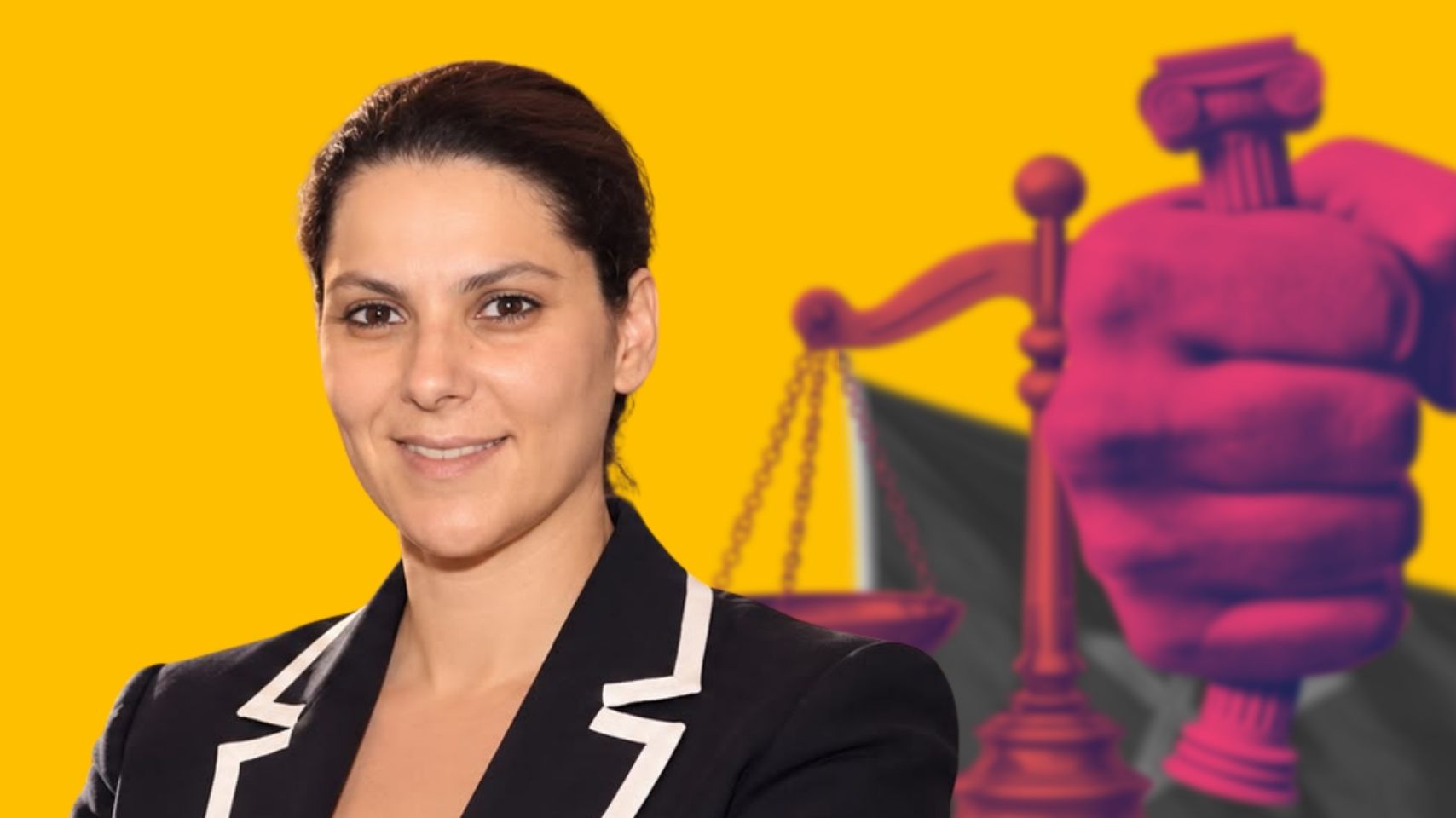
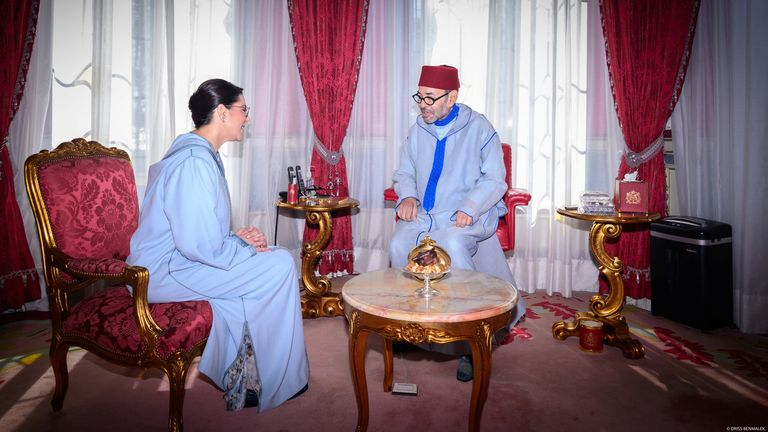
Morocco now has its first woman prime minister. On September 29, 2026, King Mohammed VI appointed Fatima Ezzahra El Mansouri as head of government, six days after her party won the country's parliamentary election.
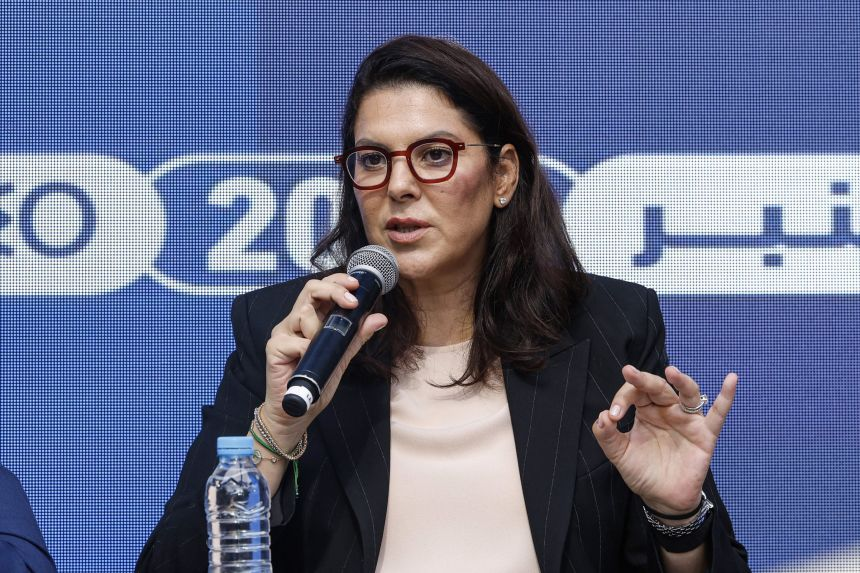
The 50-year-old lawyer and Marrakesh mayor must now build a coalition while tackling unemployment, rising living costs and the frustrations of a restless young population.
How Fatima Ezzahra El Mansouri Became Morocco's Prime Minister
Her path to the premiership started during the September 23, 2026 legislative election. El Mansouri's Authenticity and Modernity Party (PAM) won 97 of the 395 seats in the House of Representatives, 31 more than its closest rival.
The Justice and Development Party (PJD), which led governments for a decade, won 54 seats and says it will sit in opposition.
Morocco's constitution requires the king to appoint the head of government from the party with the most seats. That rule emanated from the 2011 reforms that followed Arab Spring protests.
Before then, the king could choose anyone. With PAM in first place, the royal palace named El Mansouri on Tuesday, September 29, and asked her to form a government.
Since no party won an outright majority, she must negotiate a coalition and submit a list of ministers for royal approval.
The vote was the first since deadly youth-led protests in 2025 and the Ceuta migration crisis in July, and youth unemployment and the cost of living dominated the campaign.
Why Morocco Has Never Had a Woman Prime Minister Before
Women have served as ministers, mayors and members of parliament in Morocco for years, yet the top executive post was still out of reach. This was as a result of several factors.
First, the power was concentrated in the palace. Before 2011, the king appointed prime ministers freely, and those picks came from established political and administrative circles that were overwhelmingly male.
Second, party leadership was a restrictive wall. Since 2011, the job goes to whoever leads the winning party. Every prime minister in the modern era has been a man at the head of a major party, so the question became who leads the parties and not necessarily who the king prefers.
Third, quotas open the door but not to the top. Morocco reserves parliamentary seats for women, which has raised their numbers in the House. Yet women often enter through reserved lists rather than by leading a party's national ticket. The outgoing government had four women ministers, which shows progress but not parity.
Lastly, social expectations still weigh in. As in much of the region, entrenched attitudes about women in public leadership slow the climb to the highest offices. Before El Mansouri, Tunisia's Najla Bouden was the only woman to serve as prime minister in the Arab world.
5 Things to Know About Fatima Ezzahra El Mansouri
1. She comes from a prominent Marrakesh family

El Mansouri was born in Marrakesh in 1976. Her father, Abderrahmane El Mansouri, was the city's pasha, a senior local official, and later served as Morocco's ambassador to the United Arab Emirates. He also headed Marrakesh's bar association. She grew up close to public life and the legal profession.
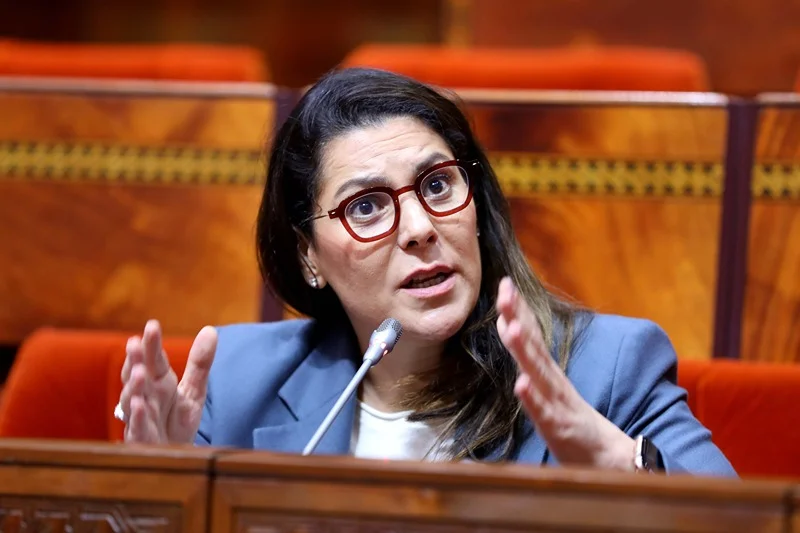
2. She is a lawyer with international training
She studied law and earned a diploma in advanced studies from the University of Montpellier in France. She also holds a diploma in Anglo-Saxon business law from New York University. She began her career as a lawyer and founded a firm specialising in commercial and real estate transactions.
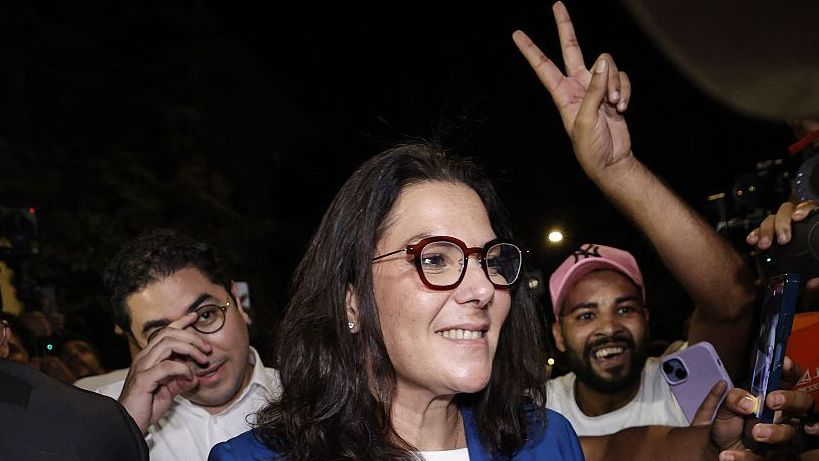
3. She was Marrakesh's first woman mayor
El Mansouri entered elected office in 2009 where she wona city council seat and then became the mayor of Marrakesh, the first woman to hold that post. She served twice as mayor and also sat in parliament. Forbes named her one of Africa's 20 most influential women under 45 in 2014.
4. She helped build and now leads PAM
She joined PAM when it was founded in 2008 by Fouad Ali El Himma, a close adviser to the king. The party presents itself as a liberal-centrist counterweight to the Islamist PJD and promotes social modernisation. After its 2024 congress, El Mansouri became coordinator of its collective leadership.
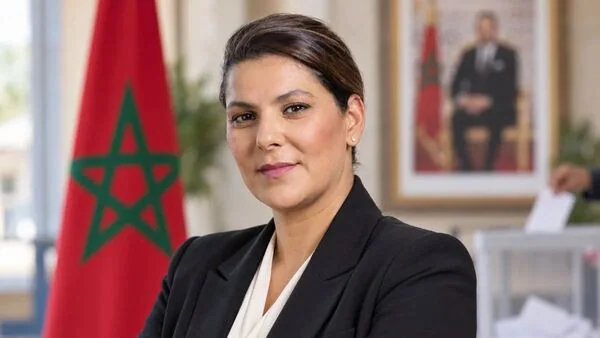
5. She brings housing and urban planning experience
In the outgoing government, she served as minister of national planning, urban planning, housing and urban policy. That background matters because the next government is expected to make major investments linked to the 2030 FIFA World Cup, which Morocco co-hosts, alongside a wider push on infrastructure and public services.
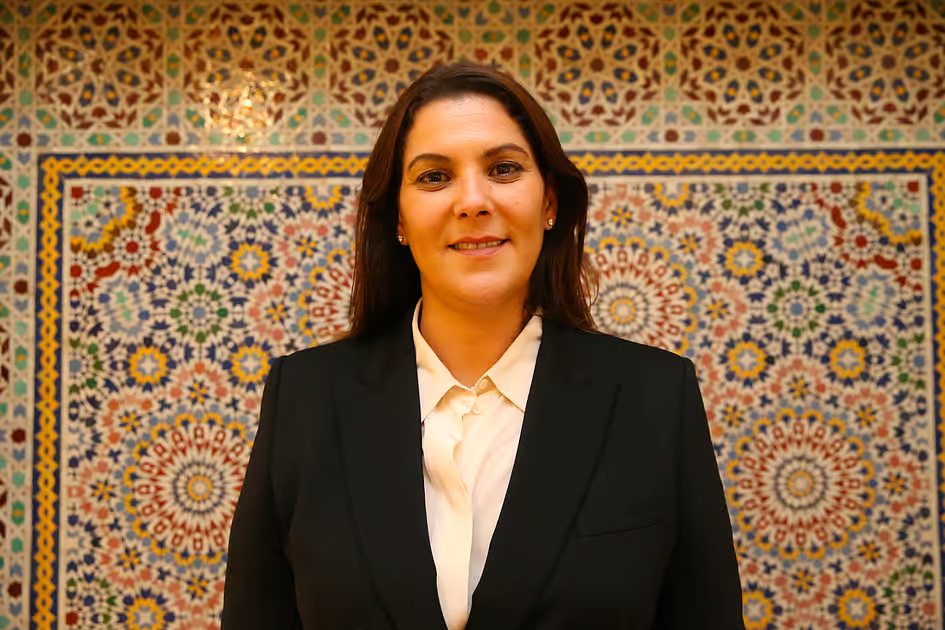
What Her Appointment Means for Morocco
El Mansouri's appointment is a milestone, but comes with a real test. She inherits a young population demanding jobs, affordable living and public services, and she said during the campaign that young people are in crisis and need answers.
Her win also makes her the second woman prime minister in the Arab world, and it will be watched closely across Africa.
Whether it marks a lasting shift will depend on the coalition she builds, how many women make her cabinet, and whether her government can turn a historic first into results for ordinary Moroccans.