From June 12 to His Final Days: What to Expect From the MKO Abiola Documentary
The MKO Abiola documentary premieres October 1, 2026. Here are things to expect from the film about June 12, Abiola's detention and final days.
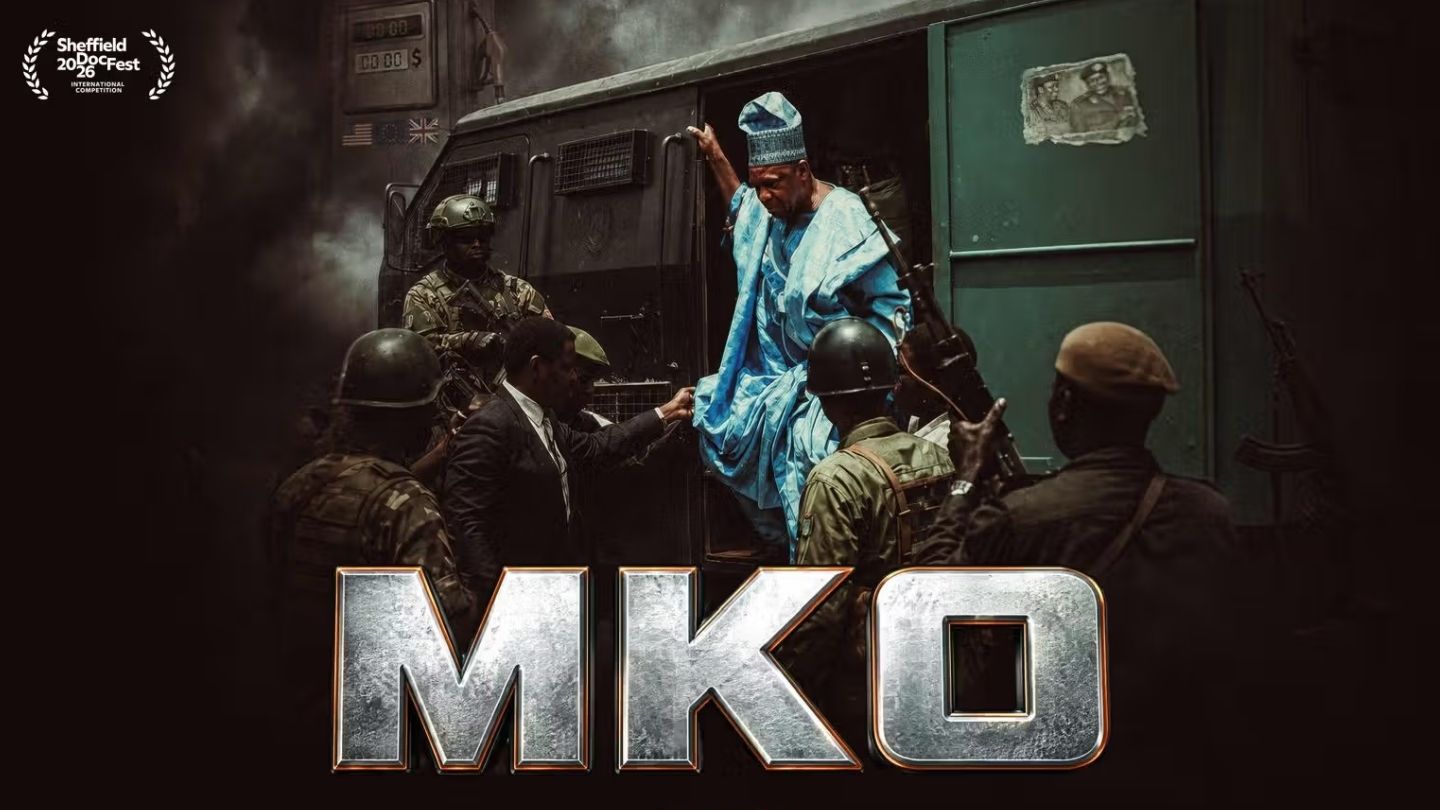
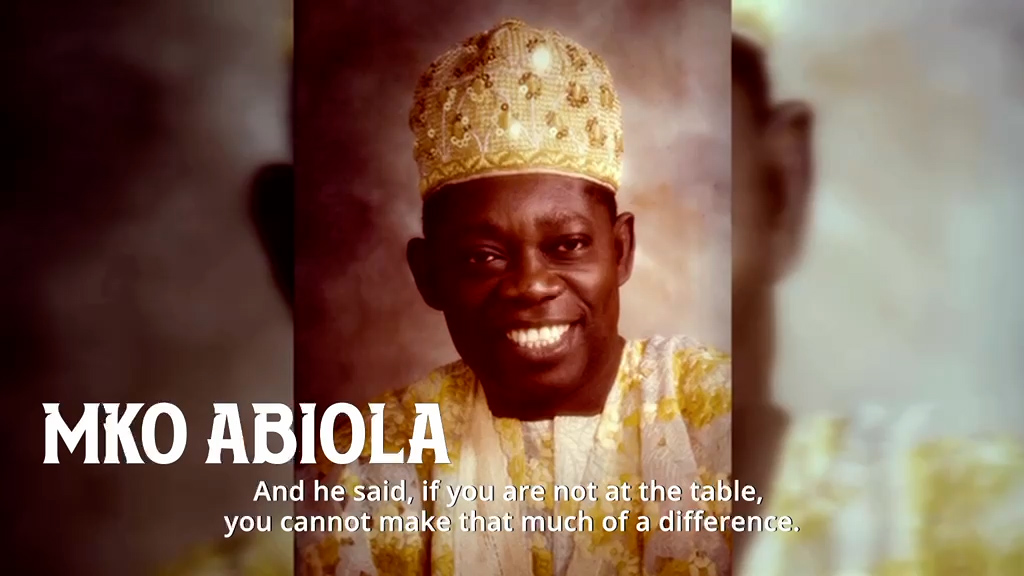
Every Nigerian is familiar with the MKO Abiola story. Before June 12 was declared Democracy Day in 2018, this is a story that was taught in history and government classes: the collapse of the life of a man who was widely believed to have won Nigeria’s 1993 presidential election.
Filmmaker Ose Oyamedan believes there is more to this story that is hidden from Nigerians and has created MKO, a new investigative documentary on Moshood Kashimawo Olawale Abiola. It premieres on October 1, 2026, the Independence Day of the nation, and opens in cinemas on October 2.
What Is the MKO Abiola Documentary About?
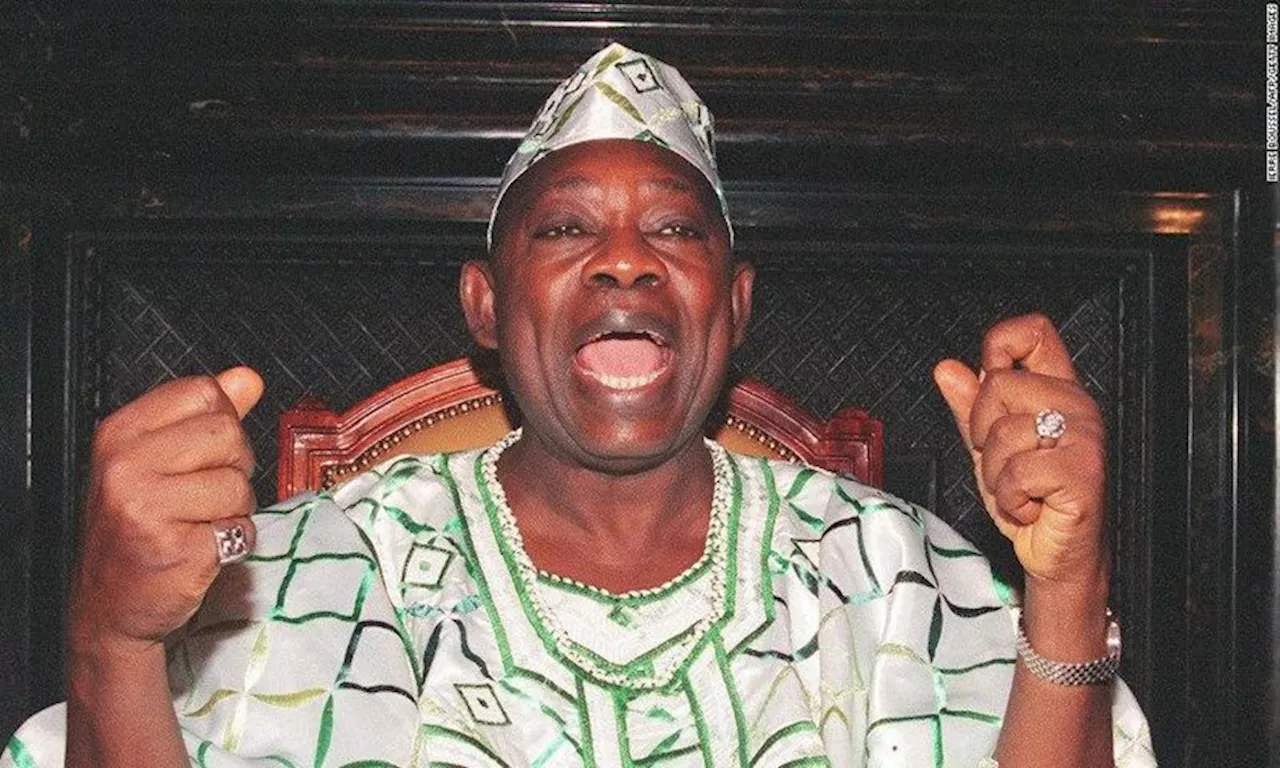
MKO is an investigative documentary about a man, an election, and what the film describes as a global conspiracy that denied Africa's largest democracy its elected leader.
It follows Abiola from his rise as Africa's wealthiest man and a generous philanthropist to the June 12, 1993 election, the annulment, his imprisonment, and his death in custody.
The film is built on testimony from people who lived through these events. These include: presidents, diplomats, politicians, activists, journalists and family members.
MKO Documentary Release Date and Cinema Debut
The MKO Abiola documentary premieres on October 1, 2026, and begins its cinema run on October 2. Choosing Independence Day for the premiere positions the story as part of Nigeria's national memory.
June 12 Election Story: The Annulment Told From the Inside
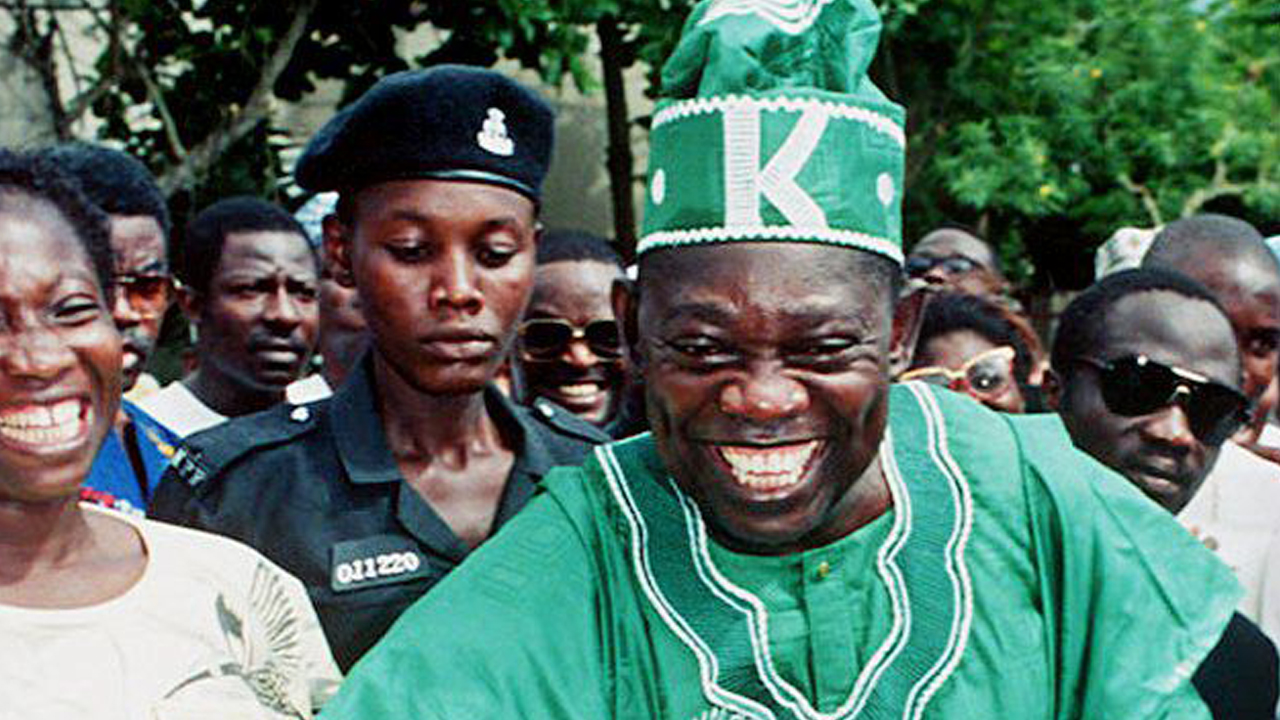
The June 12, 1993 presidential election is widely remembered as one of the freest and fairest in Nigeria's history. One thing to expect is the film revisiting how the military government annulled the results, and how that decision triggered years of protest, repression and international pressure.
The documentary also shows what the aftermath looked like on the ground: a banned press, soldiers on the streets, collapsing businesses and activists forced into exile. Viewers who know June 12 only as Democracy Day may find this a sharper picture of the cost.
The Final Days of MKO Abiola in Detention
The title promises the last chapter of Abiola's life, and the film delivers it. Four years after the annulment, with international pressure mounting, an American delegation led by Under Secretary of State,Thomas Pickering, alongside a young diplomat named Susan Rice, visited Abiola in custody.
Tea was served. Moments later, he collapsed and died.
The documentary treats this scene as central and presents his death as part of a wider story of back-room diplomacy, oil interests and competing agendas in Washington and Abuja.
The documentary is expected to raise hard questions about who played which role. It also includes the account of Theodore Zadok, described as Abiola's guard in jail.


Who Appears in the MKO Documentary?
The film's cast spans Nigeria, the United States, the United Kingdom and Canada. Several of the people named have since died, including Humphrey Nwosu, Arthur Nzeribe, Walter Carrington and Doyin Abiola, so some of their contributions may come from archive or earlier recordings. Viewers can expect to meet:
Military and political figures: General Ibrahim Babangida, who annulled the election, General Abdulsalami Abubakar, Olusegun Obasanjo, Senator Arthur Nzeribe, and Baba Gana Kingibe, Abiola's running mate who later served in Abacha's government.
Election and pro-democracy voices: Professor Humphrey Nwosu, who chaired the electoral commission, Nobel Laureate Wole Soyinka, and Bola Ahmed Tinubu, then a senator and pro-democracy activist and now Nigeria's president.
International players: Thomas Pickering, former US Ambassador Walter Carrington, Canadian High Commissioner Gerald Ohlsen, Deputy British High Commissioner Robin Gorham, Amnesty International's Adotei Akwei, and New York Times reporter Howard French, who was detained by Nigeria's military rulers.
Family and close aides: Lola Abiola-Edewor, Kola Abiola, Hafsat Abiola-Costello, Abiola's assistant Randy Echols, and Theodore Zadok, his guard in detention.
Hearing the annulment discussed by the people who made and opposed the decision is what sets this apart from a standard retrospective.
Meet the Filmmaker Behind MKO: Ose Oyamendan
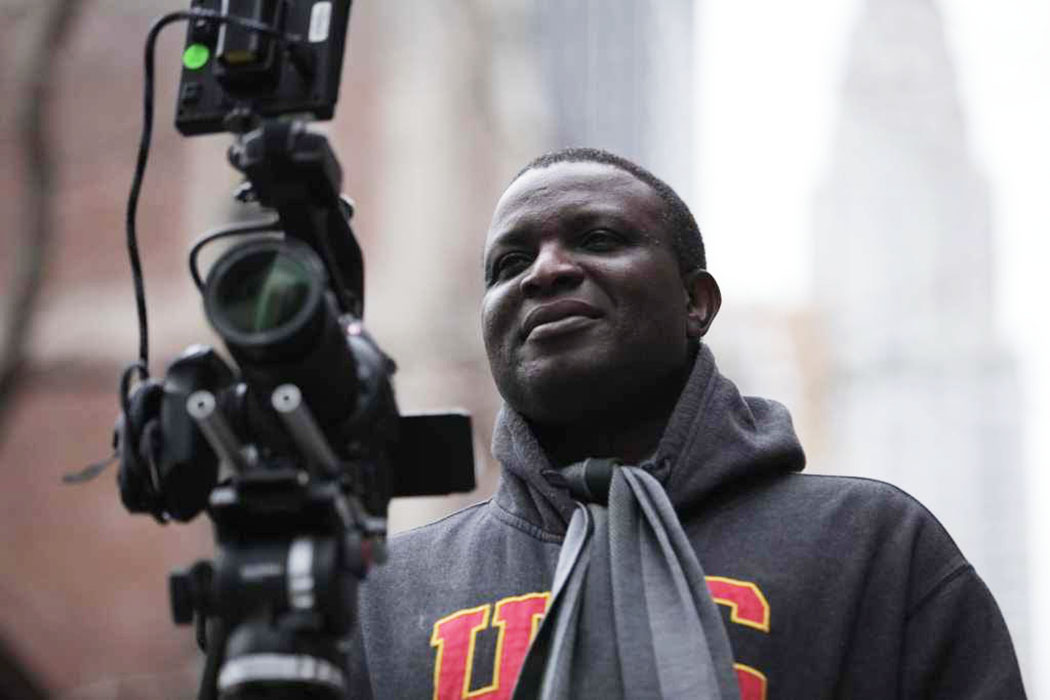
The film is produced and directed by Ose Oyamendan, a Nigerian-American filmmaker with an MFA in Cinema-Television from the University of Southern California.
His connection to the story is from a personal level. As a young journalist, he worked at Weekend Concord, the newspaper Abiola owned, which was banned after the annulment.
He later fled to the United States and joined Amnesty International, where he witnessed the diplomatic manoeuvring around Nigeria's crisis.
The production team includes executive producers with serious credentials, among them Academy Award-winning documentary filmmaker Mark Jonathan Harris, alongside Véronique Bernard, Paul Cadieux and Derren Lawford.
Why the MKO Documentary Matters for Nigerian Democracy
For many young Nigerians, June 12 is a public holiday and a national story in a textbook. This documentary puts faces, voices and stakes behind the date.
It also arrives at a moment when conversations about elections, electoral trust and civic participation remain very much alive.
The filmmaker calls it more than Nigerian history, describing it as a warning to the world. Whether you agree with every conclusion or not, the film gives viewers a chance to weigh the evidence themselves.
Should You Watch the MKO Abiola Documentary?
If you care about Nigerian political history, June 12, or the story of how democracy is won and lost, yes. Go in expecting an investigative film with a clear point of view, a long list of powerful voices, and a final act that will leave you with questions.