UK Scrambles to Evacuate 94,000 Citizens as Iran Conflict Grounds Flights
The Middle East is in crisis, with Iranian strikes causing widespread airspace closures and massive global flight disruptions. The UK government is preparing to evacuate 94,000 British nationals, while thousands of travelers are stranded worldwide, facing confusion and uncertainty as airlines suspend operations and experts warn of prolonged delays.
The Middle East is currently facing a severe escalation after Iranian missile and suicide drone attacks, triggered widespread airspace closures and an unprecedented disruption to global aviation.
The strikes followed earlier “pre-emptive” attacks by the United States and Israel targeting Iran’s nuclear infrastructure, amid reports that Supreme Leader Ayatollah Ali Khamenei was killed in an airstrike.
Tehran has vowed “devastating blows” in retaliation, launching missiles across the region and reportedly targeting Israel and Gulf states, including Dubai, where civilian casualties were reported.
The confrontation has rapidly transformed from a regional flashpoint into a crisis with global economic and travel consequences.
The aviation sector has been hit particularly hard. Airspace over Iran, Iraq, Kuwait, Israel, Bahrain, the UAE, and Qatar has been largely cleared of commercial traffic.
While major hubs such as Dubai International Airport, Abu Dhabi, and Doha have either shut down or severely restricted operations for a second consecutive day.
Damage has been reported at some Gulf airports, compounding operational strain and nearly 6,000 flights have been cancelled and close to 30,000 delayed, disrupting tightly coordinated airline networks and stranding aircraft and crews far from base.
The fallout has reached far beyond the region, with major cancellations at London Heathrow and congestion at transit hubs across Asia and Europe.
Governments have moved to protect their citizens as the crisis deepens and the United Kingdom is preparing contingency plans to evacuate up to 94,000 British nationals registered in the Middle East, with the majority located in the UAE.
The Foreign Office has advised British citizens to remain in place, follow local authority guidance, and monitor updated travel advisories, which now warn against all but essential travel to several Gulf states and advise against all travel to Iran.
Airlines including Emirates, Etihad Airways, Qatar Airways, Virgin Atlantic, Air India, and IndiGo have suspended or rerouted services across the region, offering rebooking or refunds while warning of continued instability.
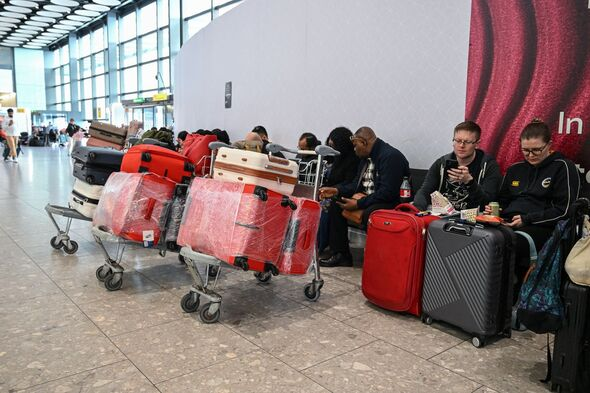
The human impact of the disruption is evident at international airports, where passengers have been left stranded with limited information and mounting financial burdens.
Travelers transiting through New York’s Kennedy Airport and other global hubs have reported cancelled connections, aircraft turning back mid-flight, and difficulty accessing airline support.
Meanwhile, diplomatic tensions continue to evolve, the UK has supported defensive measures, including intercepting Iranian drones over northern Iraq, while engaging G7 partners in calls for de-escalation.
However, its measured position has drawn political criticism at home, even as countries such as Canada and Australia publicly backed the initial strikes.
With airspace closures expected to persist and retaliatory threats ongoing, the crisis underscores the fragile intersection of geopolitics, security, and global mobility.