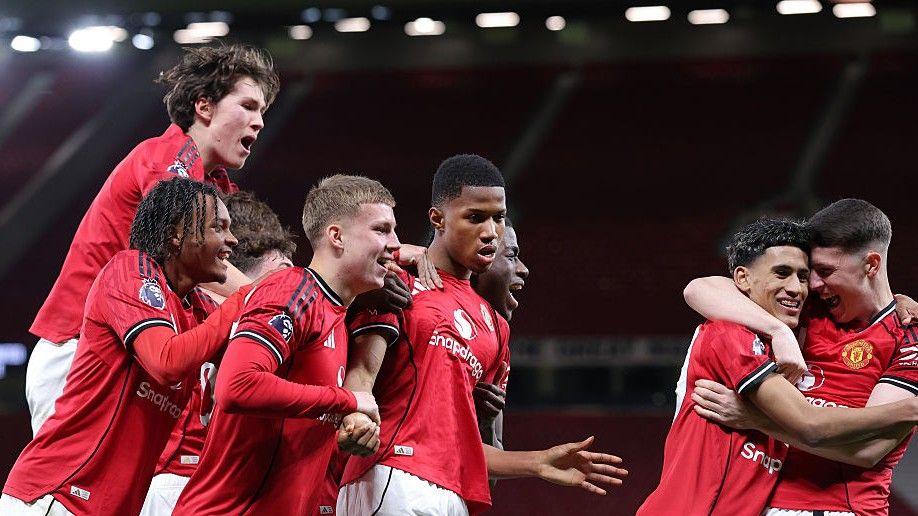
Chelsea's Next Big Move: Can Blues Lure Xabi Alonso?
Chelsea FC concluded a turbulent season with a 10th-place finish in the Premier League, experiencing three different head coaches throughout the campaign. This marks the second time in four seasons the club has finished 10th or lower, a stark contrast to the preceding 25 years under previous ownership where it occurred only once. The club also recorded the heaviest financial losses in English football history, exceeding $350 million, and having missed out on European competition, faces the need to trim its squad. However, the arrival of new manager Xabi Alonso brings renewed hope for a turnaround in the 2026-27 season. Key questions facing the club were explored by Mark Ogden and Gab Marcotti in the 'Keep or Dump' series, which examines pressing issues for top European clubs during the summer transfer window.
A significant question revolves around the extent to which Chelsea should deviate from its established squad-building model to accommodate Xabi Alonso. Since January 2023, Chelsea has predominantly focused on acquiring young prospects, signing them to exceptionally long, bonus-heavy contracts in exchange for relatively modest base salaries. The strategy aimed to develop these players, expecting some to multiply in value, while those who didn't succeed would be easily transferable due to their low base wages.
This model has attracted two main criticisms: a perceived lack of veteran leadership within the squad and the undermining of the coaching staff due to its development-centric emphasis. Mark Ogden contends that the manager must hold at least equal status to the squad-building model and the five sporting directors, citing the previous appointment of Liam Rosenior as diminishing the coach's role to merely a 'cog in the wheel.'
Gab Marcotti suggests that a shift will naturally occur due to Alonso's higher authority, given his previous role at Real Madrid compared to his predecessors' backgrounds. However, abandoning the model entirely could lead to short-term difficulties, such as creating wage bill imbalances with high-salaried established stars and incurring significant financial hits by moving players who still carry substantial residual values on the books. Gab advocates for maintaining the current course for a year or two, focusing on talent development while hoping Alonso can deliver improved on-pitch results.
Missing out on European competition could paradoxically benefit Chelsea. The club has already faced a €31 million fine from UEFA and signed a settlement agreement for breaching financial stability rules, imposing strict financial targets for the next three seasons with potential penalties up to an additional €60 million, squad restrictions, transfer bans, or complete European bans for non-compliance. By failing to qualify for Europe, Chelsea gains an additional year before these targets are assessed. This allows for a more orderly trimming of the squad, necessary due to fewer fixtures and reduced development opportunities, and provides Alonso more time for training ground work.
Chelsea's organizational structure, with numerous individuals holding senior roles, has also drawn scrutiny. Paul Winstanley and Laurence Stewart serve as co-sporting directors, with Joe Shields overseeing scouting and talent, Dave Fallows focusing on football development, and Sam Jewell as director of global recruiting. Gab Marcotti questions if this setup, with its overlapping titles, fosters clear hierarchy and accountability, warning that a
You may also like...
Chelsea's Next Big Move: Can Blues Lure Xabi Alonso?

Chelsea FC concluded a turbulent season with a 10th-place finish and significant financial losses, but the arrival of ne...
Liverpool's Shock Move: Slot Fired After Title Victory!
Top football clubs frequently sack managers shortly after they've secured a league title, a trend highlighted by Arne Sl...
Chris Pratt Unleashes His Most Ambitious Military Epic on Apple TV November 20

Chris Pratt diversifies his acting portfolio with the upcoming drama <em>Way of the Warrior Kid</em>, where he plays a N...
Netflix's New True-Crime Sensation Dominates Globally After Explosive Debut
Netflix continues its dominance in true crime with the global sensation "The Crash," detailing a shocking case of a high...
Uganda Unlocks Tourism Gold: AFCON 2027 to Ignite National Growth

Uganda is poised to unlock unprecedented tourism potential with the 2027 Africa Cup of Nations (AFCON), planning extensi...
Morocco's €100 Million Digital Leap: Airport Network Set for Major Transformation

Morocco's Office National des Aéroports (ONDA) is securing 100 million euros from the EBRD to fund a comprehensive digit...
AFG Bank Gabon Rockets to Success with Stunning 30% Net Profit Increase in 2025!
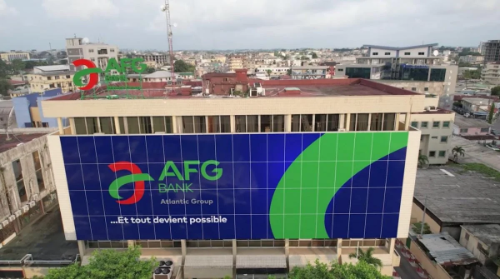
AFG Bank Gabon posted a record net profit of 31.25 billion XOF in 2025, a 30% increase, alongside a 37% surge in total a...
IHS Towers Board Ignites Market with Backing of MTN Take-Private Offer!

MTN Group plans to take IHS Holding private with a $6.2 billion offer, aiming to gain greater control over critical tele...