Love Story's Heartbreaking Countdown: Penultimate Episode Signals the End of an Era
FX's "Love Story" episode "Exit Strategy" delves into the complex marriage of John F. Kennedy Jr. and Carolyn Bessette-Kennedy. Set almost entirely in their loft, the episode explores their differing reactions to Princess Diana's death, vulnerability, and the intense pressures of fame and personal grief, portraying them as empathetic, flawed individuals striving to make their love work.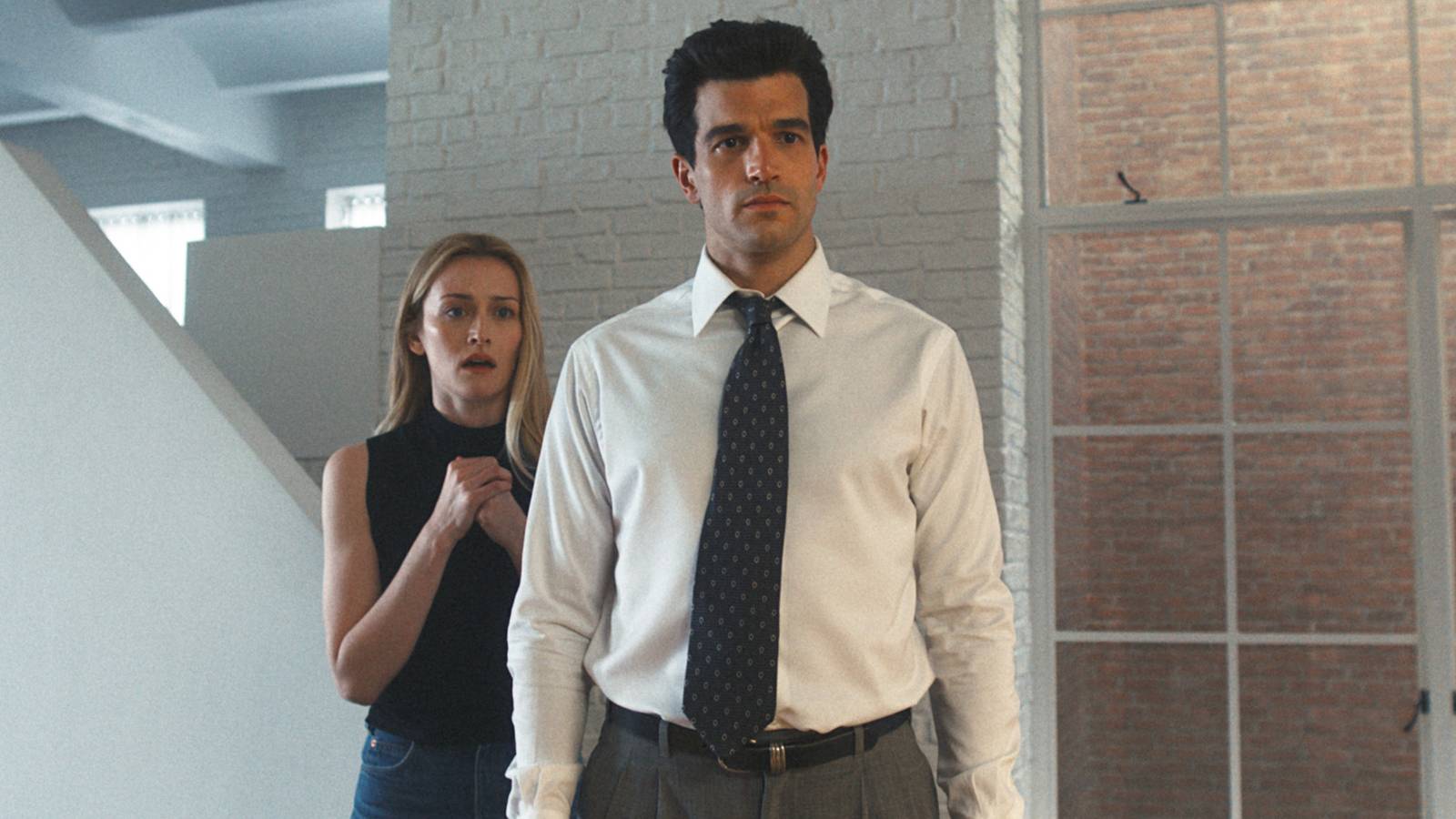
FX's romance drama, "Love Story," delves into the complex marriage of John F. Kennedy Jr. and Carolyn Bessette-Kennedy, with its penultimate episode, "Exit Strategy," offering a deeply intimate and revealing look at their relationship. Written by Juli Weiner and co-creator Connor Hines, and directed by Jesse Peretz, this episode is meticulously crafted as a "bottle episode" focused on the interiority of the couple, almost entirely confining the narrative to their New York loft. This physical limitation intensifies the emotional pressure, forcing John (Paul Anthony Kelly) and Carolyn (Sarah Pidgeon) into a prolonged, candid conversation about the forces tearing at their union: grief, fame, resentment, and the subtle emotional distance that can arise even in a marriage built on love.
Writer Juli Weiner emphasized that the production approached the characters with profound empathy, aiming to depict them as flawed yet earnest partners constantly striving to make their marriage work. The goal was to present them as real human beings in a genuine marriage, far removed from tabloid caricatures. "Exit Strategy" captures their relationship at its most complicated and human, revealing how two individuals, despite their deep affection, grapple with their very different burdens and perspectives.
A pivotal catalyst in the episode is the news of Princess Diana’s tragic death. Weiner strategically uses this public tragedy to illuminate the inherent divides in John and Carolyn's private world, showcasing how their distinct life histories shape their reactions, empathy, and potential misunderstandings. For John, Diana's death triggers a profound, public grief, echoing the trauma of his own mother's very public passing, making him feel as though he was watching his mother die twice. Carolyn, on the other hand, responds through the lens of her intense torment by the paparazzi and their invasive presence in her life. This contrast highlights a common relationship challenge: the difficulty of truly understanding a partner's emotional reality until differing experiences are articulated.
The episode also explores their contrasting interpretations of vulnerability. John perceives Carolyn as rarely vulnerable, yet she is the one who openly admits to feeling worthless. Weiner explains that these differences are shaped by their individual life experiences, generational baggage, and gender. Despite their core love and desire to help each other, navigating these disparate perspectives, particularly within the claustrophobic confines of their loft, becomes a central struggle. The heightened claustrophobia of their living space mirrors the intense pressures of their lives, bringing their deepest fears and insecurities to the surface.
Subtle elements of danger are woven throughout the episode, such as John playing with a candle flame, his broken leg, and his discussions about hours of flying. These details serve as reflections of John's unraveling life, which he openly discusses at the episode's conclusion, touching upon his failing magazine "George," his cousin Anthony Radziwill's health, and his mother Jackie Onassis's death. These external pressures manifest as internal tension, leading to moments of frustration with Carolyn or unconscious acts like interacting with the candle flame. The series portrays John as a thrill-seeker, evident in his literal adventures like riding his bike through traffic or racing his Fiat. Carolyn, while not a thrill-seeker in the same overt sense, exhibits her own form of courage, rising from a mall job in Boston to conquer the terrifying New York fashion world and ascend to the highest ranks at Calvin Klein, which the narrative frames as a form of "metaphorical high flying."
A core principle for the production team, including Ryan Murphy, was to approach both characters with empathy, curiosity, and a complete lack of judgment. Weiner emphasized that there are "no good guys, no bad guys," only two people attempting to navigate a profoundly public yet deeply personal love story. They aimed to show that despite mistakes and failures, John and Carolyn's intentions were always rooted in love and a desire to make their marriage work, even 30 years later. While acknowledging the public discourse surrounding the Kennedy legacy, Weiner clarifies that "Love Story" is fundamentally a dramatized love story and a marriage story, not a "Kennedy biopic." The hope is that audiences will perceive the immense love, care, and sensitivity invested in their portrayal, understanding that relationships are inherently messy and complicated, yet John and Carolyn consistently tried to approach each other with good faith and the benefit of the doubt.