Living Without Leaving: Is China’s Mega Apartment the Future of Housing?
Can you imagine living in a building with shops, gyms, and hospitals under one roof? Explore China’s giant residential tower, the pros and cons, and whether Africa can learn from this model of urban living.
Introduction
Imagine waking up in a towering building where everything you need, schools, supermarkets, gyms, playgrounds, and even access to medical facility is just an elevator ride away. A place where you could study, work, shop, play, and receive medical care without ever stepping outside into the wider world.
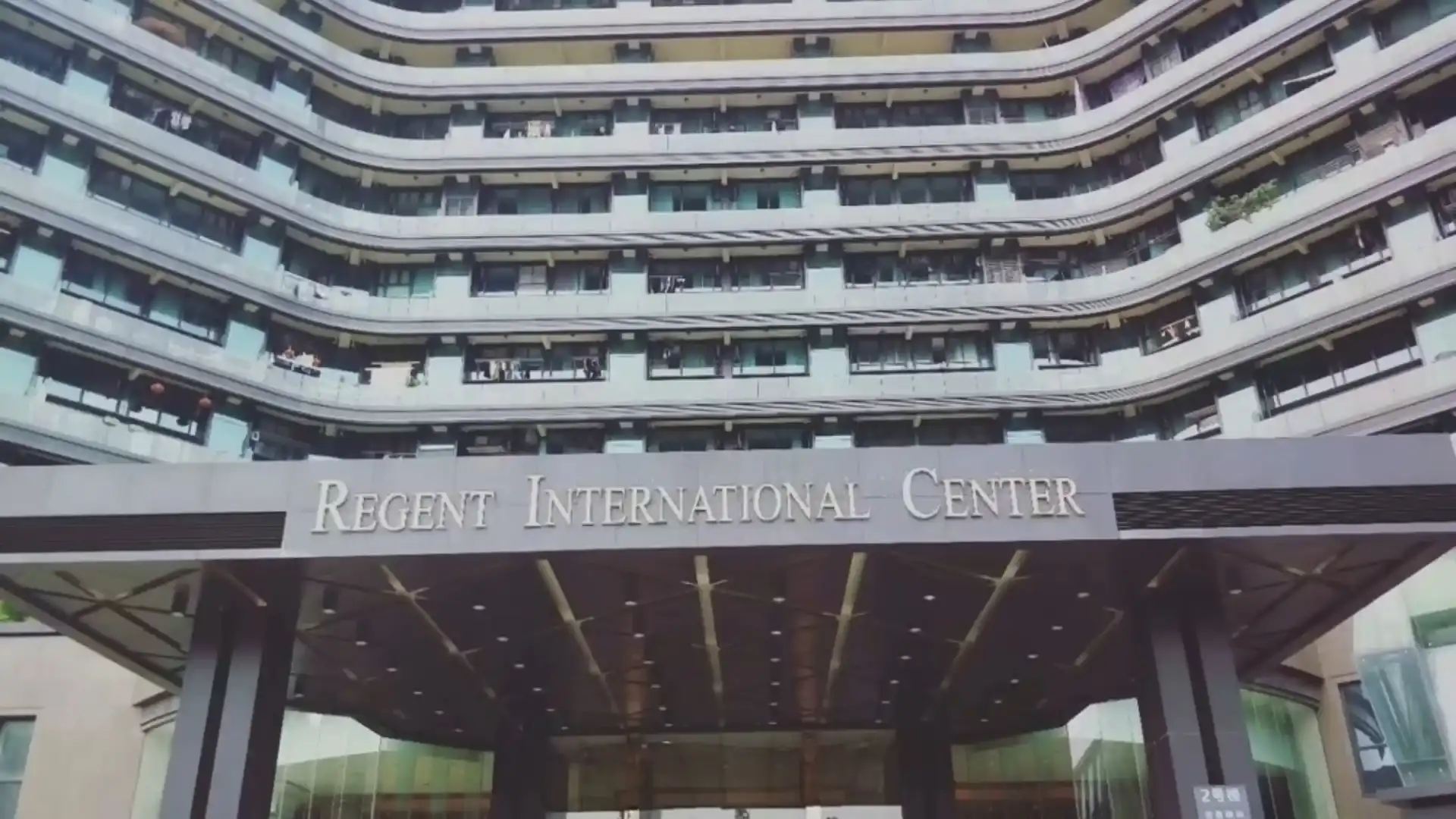
This is not a scene from a futuristic movie, it’s the reality of the Regent International Apartment Buildingin Hangzhou, China, sometimes described as both dystopian and fascinating. Designed to be self-contained ecosystems, these complexes promise convenience, efficiency, and survival all under one roof.
But here’s the central question: would you love the idea of living in a world where stepping outside is no longer a necessity? Or would such convenience slowly turn into confinement?
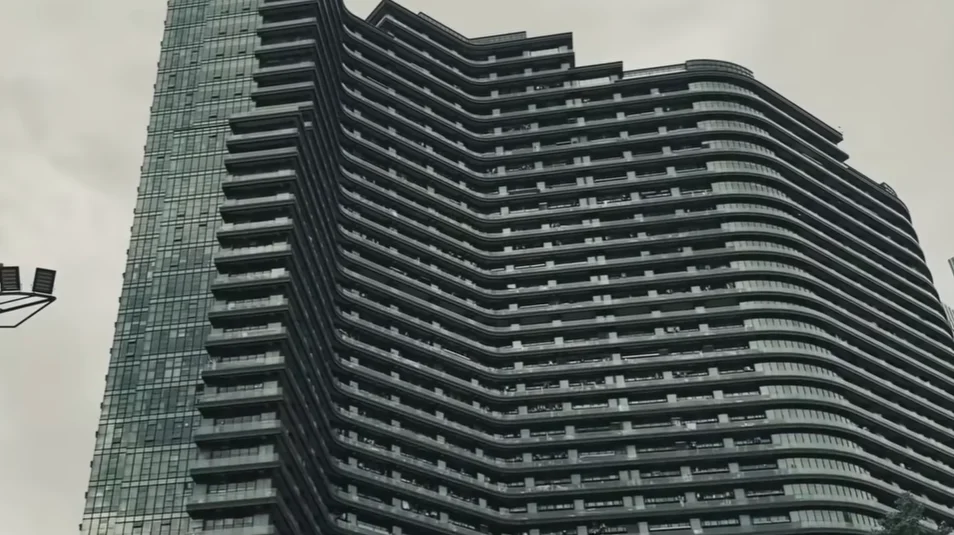
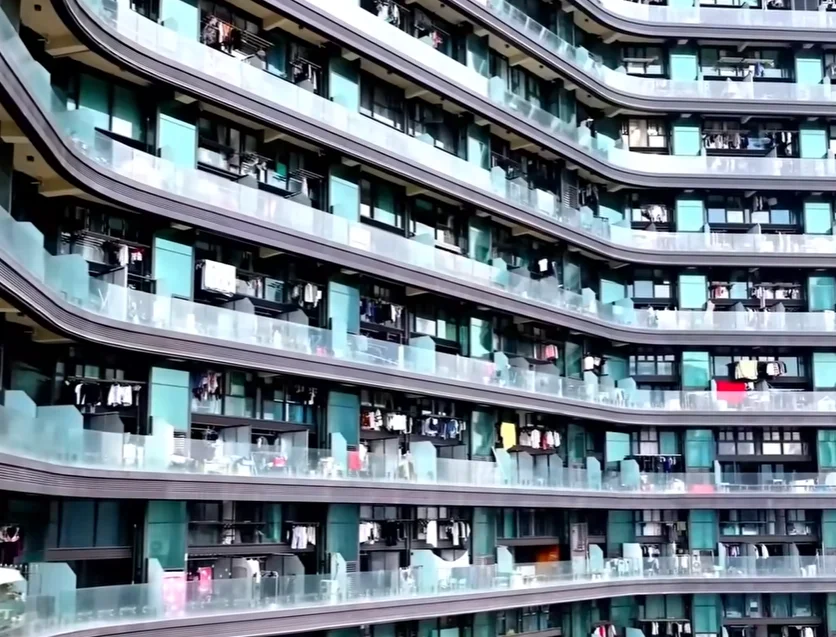
What makes these towering residential blocks remarkable is not just their size, but the world they contain within. The building functions like a mini-city, equipped with supermarkets for daily shopping, gyms for fitness, clinics for health care, offices for work, and spaces for leisure. In essence, residents can live their entire lives without ever needing to step beyond the walls of the complex.
The appeal is obvious: convenience. Commuting becomes almost obsolete, no traffic jams, no long bus rides, no exposure to harsh weather or polluted air. Everything is within reach, saving both time and energy. For families, this means children can attend school just a few floors away, while adults can work or shop without leaving the building.
On top of that, these complex might eventually embrace digital integration or maybe it has been integrated already with China’s growing technology ranging from smart security systems to energy-efficient designs, this represent a new model of urban sustainability.
The Pros
One of the most striking advantages of this China’s giant residential tower is efficiency. By having offices, clinics, and shops under the same roof, residents save time and resources. Daily living becomes easier, and the usual stress of rushing to appointments or worrying about being late all but disappears. Life is streamlined, with everything just a few steps or elevator ridesaw ay.
Another key benefit is sustainability. Without the needs for private cars and use of smart transport systems within the building, residents avoid the endless traffic congestion that plagues cities like Lagos, Nairobi, and Johannesburg. The reduced dependence on vehicles lowers pollution, while the compact land footprint of these towers makes them an effective solution for overcrowded urban spaces. Instead of cities sprawling outward uncontrollably, this vertical living creates a concentrated hub that is easier to manage.
Finally, there is the aspect of community-building. When thousands of people share the same environment, it creates opportunities for unique cultures and social bonds to form. Neighbors are no longer just people who live next door; they become part of a larger shared ecosystem, interacting in communal spaces like gyms, playgrounds, and shopping areas. This sense of togetherness can foster belonging in a way that traditional city living sometimes fails to achieve.
The Cons
As appealing as these towering apartment may seem, it comes with undeniable drawbacks. The first is overcrowding. Housing thousands of residents within a single building can create its own version of congestion. Instead of cars on the road, imagine long waits for elevators, crowded hallways, and bottlenecks in shared spaces. The very convenience that makes the towers attractive can easily turn into a daily struggle for personal space and mobility.
Another concern is the psychological strain that such living can impose. While everything may be within reach, the lack of true urban exploration can leave residents feeling trapped. The routine of seeing the same walls, the same corridors, and the same faces may lead to “cabin fever,” social fatigue, or even isolation,especially for those who crave the vibrancy of city streets and outdoor life.
Finally, there are significant safety risks. When so many people depend on a single structure, unexpected events like fire outbreaks, prolonged power outages, or even natural disasters could paralyze thousands at once. The concentration of lives in one towering block raises the stakes for emergency response and resilience. What should be a secure and convenient home can quickly become a dangerous trap if safety systems fail.
Sustainability Debate

The big question is: is these mega-structure truly sustainable, or is it a just temporary fixes to ease China’s housing shortages? It’s worth noting that this complexes was not even built for residential purposes at first—it was originally designed as a luxury hotel before being converted into a massive apartment block. This raises concerns about whether such transformations are long-term solutions or just stopgaps repurposed out of necessity.
From an environmental perspective, vertical living does reduce the land footprint and lowers reliance on cars, but the sheer energy required to power, cool, and maintain such massive structure can be immense. If not designed with renewable energy and eco-friendly systems, they risk becoming environmental burdens rather than sustainable icons.
The construction costs are also enormous. Building a complex such as this demands high investment in materials, labor, and technology. While this might be feasible in China’s fast-growing economy, replicating such projects in less financially robust regions could prove extremely difficult.
Then comes the question of long-term livability. Can people really thrive when their world is reduced to a single building, no matter how well-equipped it is? The balance between convenience and confinement will determine whether such towers can be celebrated as futuristic models or dismissed as modern-day dystopias.
Lessons for Africa
With Africa’s urban population expanding at an unprecedented rate, the question arises: could a vertical, self-contained apartments provide a solution to the housing crises in cities like Lagos, Nairobi, and Johannesburg? The potential is intriguing.
On the positive side, such mega-complexes could help reduce slums by offering structured housing solutions for large populations. They make efficient use of land, which is crucial in cities struggling with overcrowding and limited space. By concentrating housing, commerce, and essential services in one place, Africa’s rapidly growing cities could foster modern urban models that rival global standards.
However, the challenges are just as significant. Issues of governance and infrastructure often slow down or derail ambitious projects on the continent. Without reliable electricity, water supply, and emergency response systems, the risks of concentrating thousands of lives in a single structure would outweigh the benefits. Affordability is another concern, such apartments could easily become enclaves for the wealthy, leaving out the majority who are in desperate need of affordable housing. Finally, there is the issue of cultural acceptance. Many African societies value outdoor communal life and extended neighborhoods, which might clash with the isolated, vertical lifestyle these complexes promote.
Ultimately, while Africa can learn from the mega apartment in China, it must adapt the idea to local realities, building with sustainability, inclusivity, and cultural fit in mind, rather than copying blindly.
Conclusion
China’s towering residential complex represent a double-edged sword. On one side, they embody convenience, sustainability, and a futuristic answer to overcrowding. On the other, they raise questions about livability, safety, and the psychological cost of living in a world where everything is contained within walls.
The vision is undeniably fascinating: a place where one can live without leaving. Yet, the risks of confinement, overdependence on a single structure, and the loss of organic urban life cannot be ignored.
So, we are left with a pressing question: is this the future of urban living, or just another form of beautiful confinement disguised as progress?