Who Gets to Be Called African in the Diaspora Debate?
This powerful opinion article from New Africa Magazine delves into the complex question: Who gets to be called African? It explores the multifaceted nature of African identity across geography, ancestry, culture, and consciousness. Through a balanced lens, it examines the tensions between continental Africans and those in the diaspora, highlighting themes of gatekeeping, reclamation, colonial trauma, and shared longing. The article calls for empathy, inclusivity, and collective healing—rejecting narrow definitions in favour of a more expansive and evolving vision of Africanness. It concludes with a resounding message: Africa is big enough for all of us.
Introduction: A Name, A Nation, A Need
Ask anyone of Black descent, from Harlem to Hackney to Harare:
“Where are you really from?”
The answers come layered—with memory, trauma, and longing.
In a post-colonial, hyperconnected world, the question “Who gets to be called African?” is no longer just a cultural curiosity—it’s a matter of identity, belonging, and legitimacy.
For some, it’s a birthright. For others, it’s a reclamation.
But for too many, it’s become a battlefield.
Some say it's in the accent. Others insist it’s in the bloodline. For many, it’s in the struggle.
In a world where identity is currency, few titles spark as much pride—and conflict—as the word “African.”
Whether on social media, in classrooms, at music festivals, or during tense family discussions, the debate remains:
Who really gets to be called African?
And what does it mean to belong to a place that history has tried so many times to tear you from?
What Makes Someone African?
Source: Pinterest
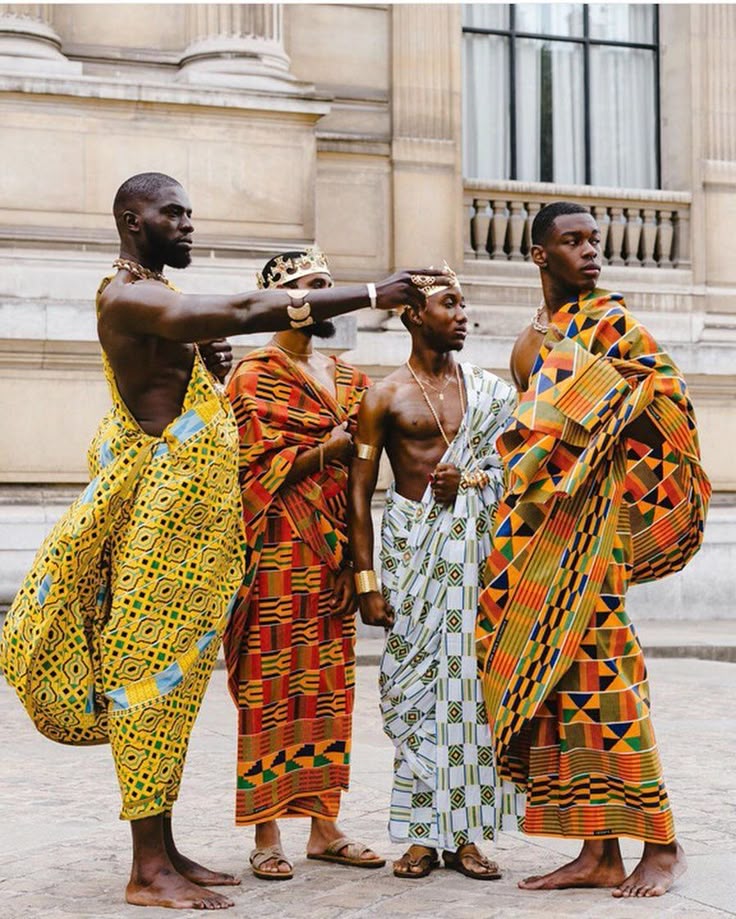
The question seems simple. But peel it back, and you find layers of history, migration, trauma, and pride.
Is being African about:
Birthplace — being born on the continent?
Ancestry — tracing your bloodline back through centuries?
Culture — speaking the language, eating the food, knowing the codes?
Or consciousness — choosing to identify with the continent, its history, and its people?
“African” is not a single passport or a shared language. It’s a layered, lived, and inherited experience.
This complexity is what makes the identity so precious—and so policed.
For some, being African means being born on the continent.

For others, it means tracing ancestry through generations, despite the rupture of slavery or displacement.
Then there are those who find their Africanness through spiritual, cultural, or political alignment—even without the passport or the accent.
“African” is no longer a static label—it’s a dynamic, multifaceted identity.
So when someone claims it, the question often follows: “Are you really?”
The Battle of Gatekeeping
Scroll through African Twitter or TikTok, and you’ll eventually stumble upon a thread or video where someone is being told they’re “not African enough.”
Some of the most common criticisms fly both ways:
“You’re not African. You’ve never even been there.”
“You only claim Africa when it’s convenient or trending.”
“You can’t understand our pain from the outside.”
“You Africans don’t even accept us when we try to connect.”
This gatekeeping is deeply emotional. For diaspora Africans, it often feels like rejection from a home they’re still trying to reach. For continental Africans, it can feel like their lived experience is being appropriated, romanticised, or flattened into aesthetics.
But here’s the truth: pain exists on both sides.
Diaspora Africans: Reclaiming, Not Pretending
For many Black people in the diaspora, calling themselves African is not an act of trend-chasing.
It’s an act of reclamation.
Centuries of slavery, colonialism, and forced migration severed them from their roots. Now, with the tools of DNA tests, travel, storytelling, and self-education, they’re finding their way back—one name, one meal, one memory at a time.
“For some, being African isn’t inherited—it’s discovered.”
To tell them they are not “African enough” is to continue the violence of historical erasure.
But intention matters. Diaspora Africans must also approach the culture with humility, not entitlement. It’s one thing to honour African roots, another to pick and choose them like a playlist. Africa is not a costume.
But reconnection isn’t always graceful. It comes with gaps, missteps, and overcorrections. Diaspora folks must be careful not to reduce Africanness to aesthetics or hashtags. The culture they seek is real, nuanced, and living.
Still, their longing is valid. Their journey is real. And they deserve space at the table.
Continental Africans: Wounded Pride, Rightful Frustration
On the flip side, those born and raised on the continent often carry the daily weight of a place that has been historically exploited and misrepresented.
They face:
Economic instability and passport discrimination
Political and post-colonial trauma
Outdated stereotypes
Neglected infrastructure
Mockery of accents and traditions
So when a diaspora influencer suddenly claims “African roots” after watching The Woman King or visiting Ghana for Detty December, it can feel inauthentic—even insulting.
Someone who hasn’t lived those realities proudly calls themselves African—without the pain, the pressure, or the lived weight—it can feel like a slap in the face.
“We lived it while you romanticised it.” That’s the silent resentment.
But gatekeeping doesn't heal wounds—it builds new walls. Continental Africans must also recognise the diaspora’s hunger for home is real. And that this reconnection, however awkward or late, is still a step toward wholeness.
Colonialism: The Invisible Divider
Source: Pinterest
We must name the true villain behind this tension: colonialism.
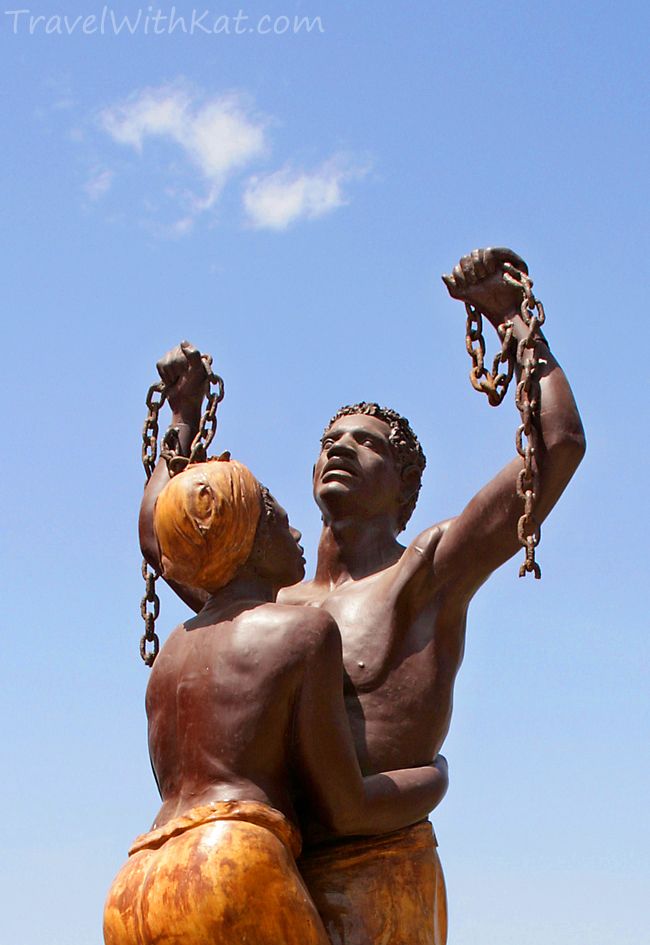
This isn’t a fight we started. Colonialism, slavery, and racism invented the very fractures we now inherit.
It divided us.
It renamed us.
It moved some and stranded others.
It told us who we were was not enough—and then erased who we were.
We didn’t break ourselves. But we can stop continuing the damage
Today’s debate around African identity is rooted in this fractured past. The labels we argue over—African, Black, diaspora, foreigner—are part of a system we didn’t design but inherited.
To heal, we must stop fighting for scraps of identity and start building shared belonging.
A Spectrum, Not a Checklist
Let’s reimagine “Africanness” not as a certificate, but as a spectrum of connection:
The Nigerian born and raised in Lagos
The Ghanaian who grew up in London
The Afro-Brazilian tracing Yoruba ancestry
The African-American activist studying Igbo spirituality
The Somali refugee rebuilding life in Toronto
The Ethiopian adoptee discovering her birth roots
These experiences are not identical, but they’re all valid. They are all African—just in different ways.
Africanness doesn’t look or sound one way. It breathes through language, love, food, rhythm, memory, and movement.
So What Do We Do With This Tension?
Source: Pinterest
We learn. We unlearn. We listen. We build.
Africans in the diaspora are not tourists—they are returning children, sometimes awkwardly, but earnestly.
Continental Africans are not gatekeepers—they are holders of lived wisdom and culture, not judges.
Both sides have trauma. Both carry pride. Both deserve grace.
Recognise the shared enemy isn’t each other—it’s the systems that broke us apart.
Build spaces where Africanness is expansive, inclusive, and evolving.
Let us stop invalidating each other’s stories.
Let us stop arguing over who owns the continent and start sharing its future.
Conclusion: Africa Is Big Enough for All of Us
So—who gets to be called African?
Anyone who carries Africa in their ancestry, their awareness, or their aspiration.
Anyone who honours the struggles, protects the stories, and nurtures the future of the continent.
Anyone who carries Africa in their roots, their rhythms, their rituals, or their resistance.
Anyone who holds it with love, not just labels.
Anyone who seeks to heal the continent’s wounds, not just wear its fabrics.
Africanness is not a gate—it’s a gathering.
You don’t need to pass a test.
You don’t need to speak a language perfectly.
You don’t need to look a certain way.
If Africa is your motherland, then her doors are open.
If Africa is our motherland, then every child—estranged or near—deserves to come home.
Let’s make room. Let’s make peace. Let’s make people again.
No more gates. No more fences. Just a home worth returning to, in whatever way you can.