LI Farms on Brink: Immigration Crackdown Sparks Workforce Crisis, Employers Scramble for Visas
Long Island businesses, especially in agriculture, grapple with seasonal labor shortages, increasingly relying on federal H-2A and H-2B visa programs. These programs face scrutiny over worker exploitation and are complicated by immigration crackdowns and the uncertain future of Temporary Protected Status for many essential workers. The situation poses a "perfect storm" of challenges, forcing businesses to adapt to rising costs and a dwindling domestic workforce.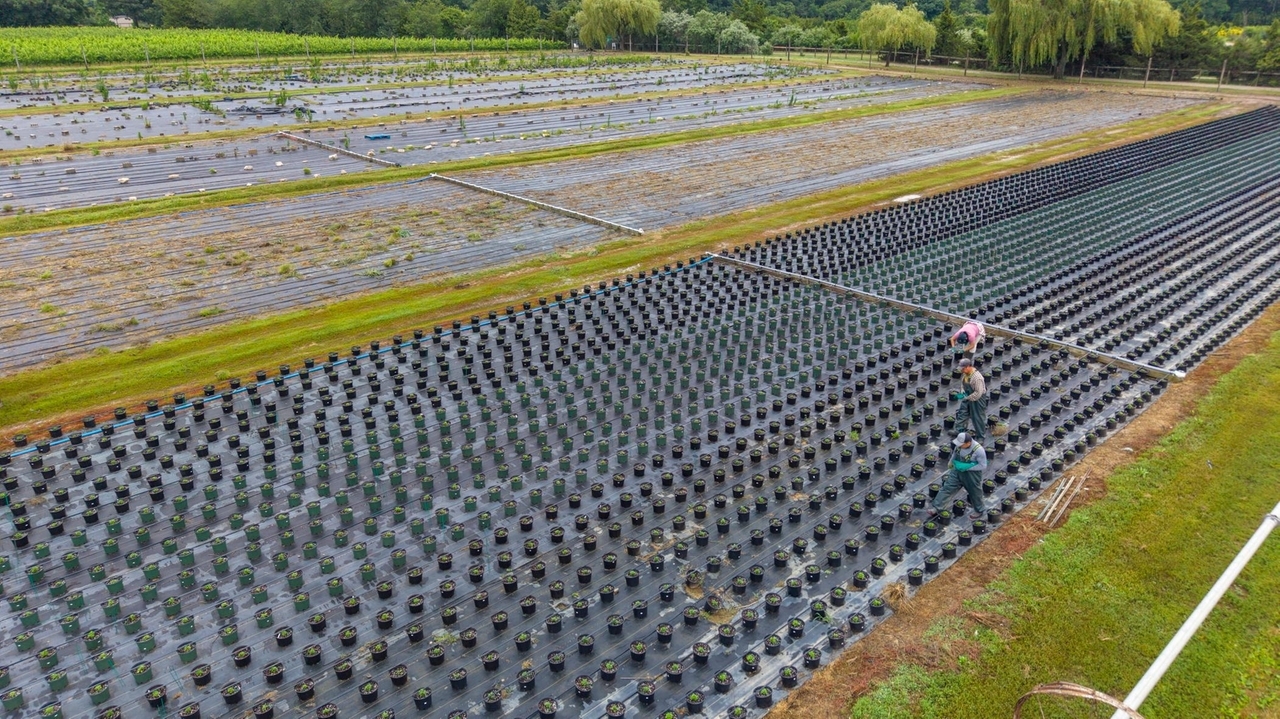
Employers across the United States, including those on Long Island, frequently face difficulties in filling seasonal or temporary jobs in sectors such as agriculture, landscaping, and construction. To address these persistent labor shortages, the federal government has established two primary visa programs for foreign temporary workers: the H-2A visa program, specifically designed for agricultural labor, and the H-2B visa program, which caters to non-agricultural temporary or seasonal work. While participation in these programs is substantial and some employers advocate for their expansion, critics argue that these programs may suppress wages for these jobs and potentially expose foreign workers to exploitation.
The process for utilizing these visas involves a rigorous four-step procedure. First, the Department of Labor (DOL) must certify that there is an insufficient number of American workers available, willing, able, and qualified to perform the job, and that employing foreign workers will not negatively affect the wages and working conditions of U.S. workers already employed in similar roles. Once this certification is secured, an employer can then petition the Department of Homeland Security (DHS) to bring in the foreign workers. Subsequently, the prospective workers apply for a visa from the Department of State. The final step involves the workers seeking admission from DHS at a U.S. port of entry.
Both H-2A and H-2B visa programs mandate that employers provide foreign workers with wages and benefits comparable to those offered to non-visa workers. For H-2B employers, this translates to paying either the prevailing wage rate or the applicable federal, state, or local minimum wage, whichever is higher. According to the United States Department of Agriculture, in fiscal year 2020, the national average H-2A contract offered 24 weeks of employment at an average hourly wage of $13. However, on Long Island, the current wage floor for H-2A workers is slightly over $18 per hour, as stated by Bill Zalakar, executive director of the Long Island Farm Bureau. Beyond wages, H-2A employers are also required to provide housing, transportation, and benefits such as worker’s compensation insurance. H-2B employers must cover benefits including transportation and visa-related costs.
The number of these temporary worker visas has seen significant changes over time. In 1992, fewer than 20,000 visas of both types were issued. H-2A visa numbers have escalated dramatically, surpassing 100,000 in 2015 and continuing a steep rise to nearly 400,000 in 2025. Notably, there is no statutory limit on the number of H-2A visas that can be issued. The H-2B visa program, however, is capped at 66,000 annually, though Congress has repeatedly authorized DHS to exceed this cap since 2017. In a recent development, a proposed 50% cut to a tranche of seasonal visas was announced by DHS and the federal Department of Labor in December, but this cut was later reversed, leading to approximately 130,000 H-2B visas projected for issuance in 2026.
Long Island heavily utilizes these visa programs. In 2025, New York State received 12,084 visas, with a significant portion allocated to Long Island, where farms annually hire around 2,000 seasonal workers. H-2A visa holders now constitute about half of Long Island's agricultural workforce, a proportion that has grown as local farmers have aged and American workers have pursued other professions. While New York State historically wasn't a major recipient of H-2B certifications, Long Island’s First Congressional District (encompassing the East End and part of the North Shore) recorded one of the highest utilization rates nationally this year, with 162 employers hosting 2,077 workers through the program. From 2016 to 2025, the number of H-2A visa workers on Long Island increased by 155%, reaching 232 workers in Suffolk County last year, up from just 91 a decade prior. H-2B visa issuance on Long Island also rose by 39% over the past decade, peaking at 1,776 in 2018 and reaching 1,544 last year, covering agriculturally related jobs in both Nassau and Suffolk counties.
Despite their critical role, these visa programs and the broader immigration landscape present significant challenges. A 2024 report by the U.S. Government Accountability Office (GAO) highlighted the need for improved processing and oversight in the H-2A program, revealing that 84% of DOL investigations between FY2018 and FY2023 found one or more employer violations. These investigations uncovered 69,294 violations related to pay, transportation, cost-shifting, meals, and housing. Furthermore, the federal crackdown by Immigration and Customs Enforcement (ICE) agents has instilled fear among migrant workers, driving them "into the shadows" and diminishing the seasonal influx that once sustained many businesses. This fear has led to a more competitive recruitment environment and even self-deportation, as evidenced by Byron Cano Lopez, a former landscaper who returned to Guatemala due to anxiety over ICE detention.
The potential end of Temporary Protected Status (TPS) for workers from certain countries, particularly El Salvador, poses another major threat. Many Long Island farmworkers are Salvadoran, and their TPS is scheduled to expire, potentially leaving a "large hole" in businesses that rely on them, such as East Coast Nurseries. Farmers emphasize the difficulty of recruiting domestic workers, who are often unwilling to undertake the long hours and hard work required. This reliance on immigrant labor is essential, with an estimated 80% of Long Island farmworkers being immigrants, and more than half of those potentially undocumented. The cost of labor for Long Island farms has surged, increasing 131% in Nassau County and 52% in Suffolk County between 2017 and 2022, with labor costs typically comprising 30% to 45% of farm production expenses.
The visa programs themselves, while essential, are tightly regulated, audited, and expensive, burdened by red tape. Costs for employers using H-2B can include several thousand dollars for legal fees, flights, and local transportation, while H-2A employers incur additional thousands for housing, sometimes requiring the purchase of homes. Efforts like the Securing Agriculture's Workforce Act, supported by farm bureaus, aim to reduce farmer costs and streamline the process. Farmers like Donald McKay of Helen's Flower Farm & Greenhouses have had to reduce planted acreage due to worker scarcity. The "perfect storm" of farming challenges, including rising fuel and fertilizer costs and early frosts, is exacerbated by labor shortages, making it increasingly difficult for farmers to operate.
Despite these anxieties and operational hurdles, employers continue to rely on these programs. Using H-2A visas offers some assurance that employees are protected from deportation for their work tenure. While ICE presence on East End farms has reportedly been low, the underlying threat fosters caution. Farmers strive to maintain good relationships with their workers, often providing housing and treating them with respect, which encourages long-term retention. However, the uncertainty of securing a consistent workforce remains a significant challenge for business owners. Even with current stability in labor supply, the long-term outlook is precarious, highlighting the critical role of immigration policies and worker visa programs in sustaining Long Island's agricultural and related industries.