Last-Minute Genius: Iconic Quote for Ridley Scott's Sci-Fi Masterpiece Penned Just Before Wrap!
In a recent Collider Q&A, legendary director Ridley Scott reflected on his expansive career, from his early start with brother Tony Scott to the making of iconic films like Alien and Blade Runner. He discussed his new film The Dog Stars, his distinctive filmmaking process, and offered blunt advice for aspiring filmmakers, while also looking forward to receiving an honorary Oscar.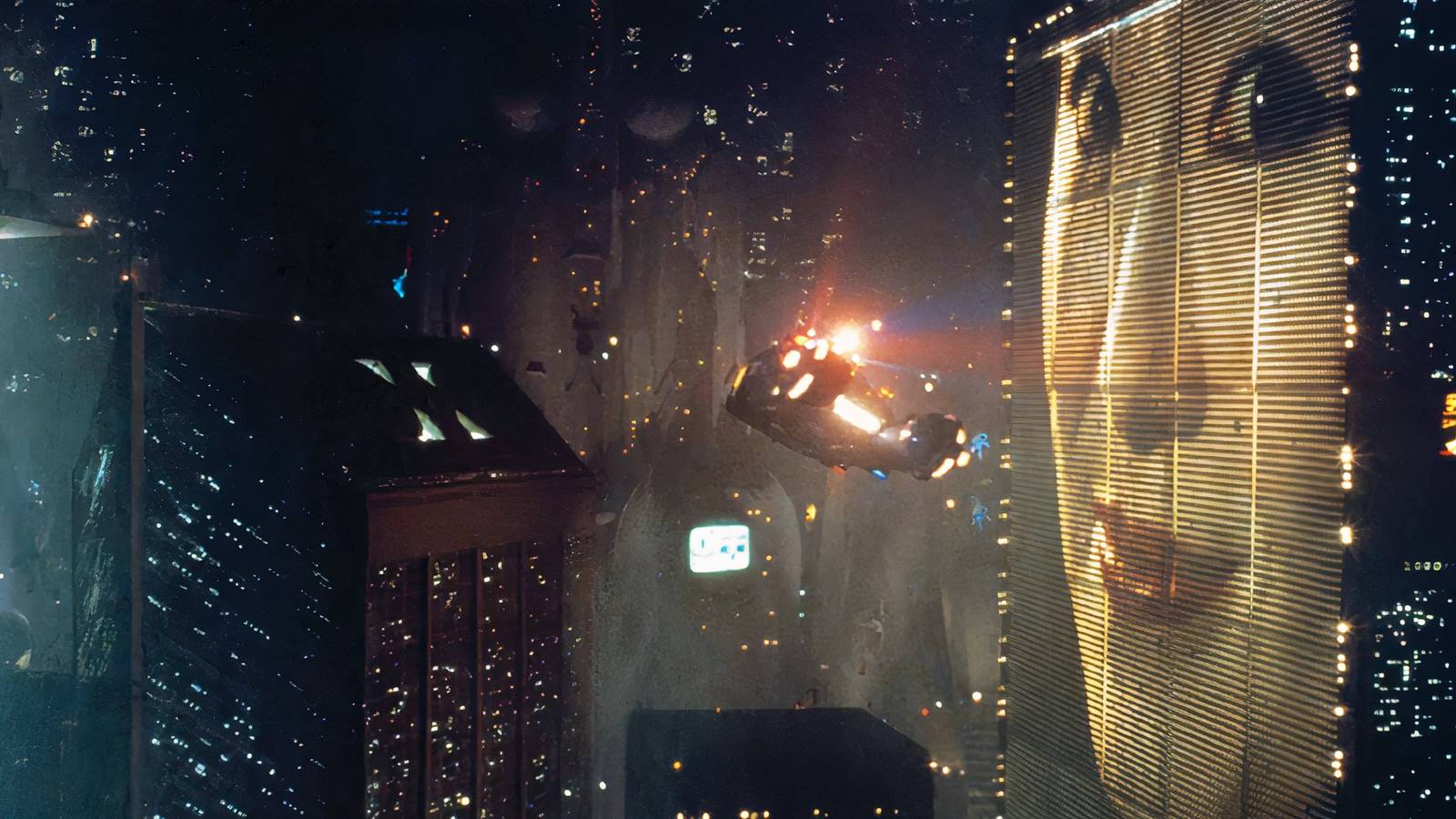
Collider's Steve Weintraub recently conducted an exclusive Q&A with legendary filmmaker Ridley Scott, coinciding with an advanced screening of Scott’s new science fiction thriller, The Dog Stars. During the conversation, Scott delved into his illustrious career, his unique filmmaking process, and shared poignant reflections on his brother, Tony Scott, and their shared Hollywood legacy. He also offered candid advice for aspiring filmmakers.
The Dog Stars, starring Jacob Elordi and Josh Brolin, presents Scott’s profound study on what makes life worth surviving. The narrative unfolds after a devastating virus decimates Earth's population, following a young pilot named Hig (Elordi) who forms an alliance with a military survivalist, Bangley (Brolin). Together, they establish a protected homestead, constantly vigilant against brutal survivors known as Reapers. Hig’s journey takes a pivotal turn when he receives a mysterious transmission, prompting him to embark on a mission to locate its source, driven by the hope of discovering a future worth living for. The film also features a notable cast including Margaret Qualley, Benedict Wong, Allison Janney, and Guy Pearce.
Scott’s early career began at the Royal College of Art, an institution he describes as one of the world's best art schools. He recounted a pivotal moment at 21 when he discovered a Bolex camera and, lacking a script, spontaneously wrote one over a weekend. This led to the creation of his first film, Boy and Bicycle, which starred his 15-year-old brother, Tony Scott. Ridley humorously recalled Tony’s initial reluctance, but the experience proved formative, with Tony later summarizing the film’s theme as self-examination and reflection. This early collaboration unknowingly laid the groundwork for their future in cinema. Ridley regards Tony Scott’s The Hunger or One of the Missing as his brother’s finest works, noting his own participation in the latter, a brilliant student film about the Confederate Army.
Before his breakthrough into feature films, Scott achieved significant success in commercial advertising. He candidly admitted realizing at 38 that he had yet to make a movie, while his competitors like Alan Parker and Adrian Lyne were already directing. This spurred him to adapt a public domain story into The Duellists. The film's critical acclaim, including a prize at Cannes, caught the attention of Sandy Lieberson, who recommended Scott to Alan Ladd Jr. for Alien. Scott revealed he was the fifth choice for Alien, highlighting the unconventional path that led him to direct one of cinema's most iconic sci-fi thrillers.
Scott described the production of Alien as a challenging experience, primarily due to clashes with Hollywood executives, an environment he had never encountered in advertising, where he was accustomed to unquestioned authority. Despite the difficult circumstances, he stood his ground, emphasizing the crucial contribution of H.R. Giger to the film's success in creating its unforgettable monster. The true impact of Alien became clear to him during a screening in St. Louis, as he observed audience members ducking their heads in anticipation before the infamous breakfast scene. The subsequent terror, even before the alien fully appeared, led him to question the ethical boundaries of filmmaking, realizing the profound psychological effect his work had on viewers.
Another seminal work, Blade Runner, and its iconic “Tears in Rain” monologue delivered by Rutger Hauer, holds a special place in Scott’s memory. He recounted how Hauer rewrote the speech at 1 AM on the last night of filming, transforming Hampton Fancher's original line into a poetic and profoundly moving reflection on life and death. Scott confessed that tears came to his eyes upon hearing it, recognizing its genius. Despite its eventual legendary status, Blade Runner initially faced a disastrous preview, with audiences questioning the constant rain. Scott, however, stood by his vision, drawing inspiration for the film’s gritty, dystopian aesthetic from his observations of New York and Hong Kong. He noted the profound influence of Stanley Kubrick’s 2001: A Space Odyssey on Alien, particularly Kubrick’s prescient portrayal of AI and the corporate view of human expendability.
Scott’s filmmaking philosophy is distinctive, characterized by using multiple cameras and taking fewer takes, a process honed over thousands of commercials. He emphasizes cutting scenes in the trailer as he shoots, allowing for a refined, almost pre-edited approach. He values the role of a good editor, noting that great editors possess a keen ear for music and feel for the scene. He also maintains a critical distance from the editing and mixing rooms, returning only when cuts are ready, allowing him to be a “clean computer” for feedback. Collaborating with cinematographers like Erik Messerschmidt (after observing his work with David Fincher) and Dariusz Wolski, Scott often directs camera placement, demonstrating his precise vision. He fondly recalls a six-week BBC director’s course, where he learned multi-camera, live studio work and developed a