IUD Surprise: Spotting the Signs of Pregnancy When You Have an IUD
Despite being one of the most effective birth control methods, it is still possible to become pregnant with an IUD. This article details the rare circumstances where IUDs might fail, the signs of pregnancy, associated risks like ectopic pregnancy, and essential steps to take if you suspect you are pregnant while using an IUD.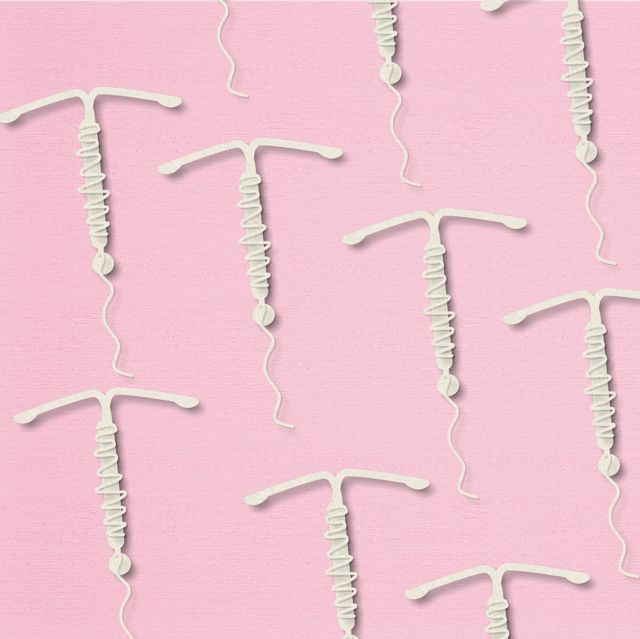
Intrauterine devices (IUDs) are among the most effective forms of birth control, designed to prevent pregnancy with a success rate considered 20 times greater than pills, patches, or rings, according to the American College of Obstetrics and Gynecologists (ACOG). During the first year of use, fewer than one in 100 women with an IUD or implant will become pregnant. However, while rare, it is still possible to conceive with an IUD in place.
An IUD is a long-acting reversible contraceptive (LARC), a small T-shaped device inserted into the uterus to prevent pregnancy for several years. There are two primary types: hormonal IUDs, which release progestin and are approved for three to seven years, and copper IUDs, which are hormone-free and can last for up to 10 years. Both types primarily prevent sperm from reaching the uterus, making conception extremely unlikely.
Several circumstances can lead to unintended pregnancy despite IUD use. One such situation is IUD expulsion, where the device moves from its correct position at the top of the uterus, potentially shifting to the lower uterus, cervix, or even into the vagina. This occurs in approximately one to three percent of IUD users annually and is more common when the IUD is inserted shortly after childbirth. Signs of expulsion include an inability to feel the IUD strings (which normally hang in the vaginal canal) or a noticeable change in their length. Discomfort and irregular bleeding can also indicate a shifted IUD, as noted by Christine Greves, MD, an ob-gyn at the Winnie Palmer Hospital for Women and Babies.
Another factor is having unprotected sex immediately before IUD insertion, particularly with copper IUDs. Mary Jane Minkin, MD, a clinical professor at Yale School of Medicine, explains that if sperm are already present, the IUD will not prevent fertilization. For this reason, IUDs are often placed during a menstrual period, which helps confirm non-pregnancy and can make insertion easier due to a slightly more dilated cervix.
Lastly, exceeding the recommended lifespan of an IUD can compromise its effectiveness. While IUDs do not lose effectiveness abruptly, the FDA approves IUDs for specific durations based on research. Beyond these periods, their efficacy is no longer guaranteed, as highlighted by women's health expert Jennifer Wider, MD.
Symptoms of pregnancy with an IUD are generally the same as without one, including missed periods, tender or swollen breasts, nausea, vomiting, increased urination, and fatigue, according to Dr. Greves and the Mayo Clinic. If pregnancy is suspected, an at-home pregnancy test should be taken immediately, and a healthcare provider contacted.
A significant risk associated with pregnancy while an IUD is ectopic pregnancy, where a fertilized egg implants outside the uterus. Kjersti Aagaard, MD, PhD, professor at Baylor College of Medicine and Texas Children's Hospital, clarifies that an IUD does not increase the overall risk of ectopic pregnancy. Instead, if pregnancy occurs despite an IUD, it is statistically more likely to be ectopic than an intrauterine pregnancy. Additionally, if the IUD remains in place during pregnancy, there are elevated risks of miscarriage, preterm birth, and infection of the amniotic sac and fluid before delivery. Therefore, if the IUD strings are visible, doctors typically recommend removal during the first prenatal visit.
If pregnancy is confirmed, immediate contact with an ob-gyn is crucial. The first step involves an ultrasound to determine if the pregnancy is intrauterine or ectopic. Doctors will also check if the IUD is still in place and whether its strings can be grasped for potential removal, as explained by Dr. Aagaard.
While IUDs are exceptionally reliable, users can take extra precautions, such as having the IUD inserted during their period or using a backup contraceptive method until the next period. Regular checks to feel the IUD strings can also provide reassurance. Overall, experts emphasize that IUDs are a highly safe and effective choice for family planning, with minimal incidence of pregnancy.