Gene Therapy KRIYA-839 Offers Potential Functional Cure for Type 1 Diabetes
A groundbreaking single-jab gene therapy, KRIYA-839, is entering human trials with the potential to offer a 'functional cure' for type 1 diabetes. This treatment aims to transform muscle cells into long-term insulin producers, potentially eliminating the need for daily injections and offering a new paradigm for managing the incurable condition. Experts express cautious optimism about its transformative impact.
A pioneering gene therapy, KRIYA-839, is set to begin human trials this year, offering a potential “functional cure” for type 1 diabetes.
Unlike conventional treatments that require daily insulin injections or continuous pump use, this one-off therapy is designed to enable the body to regulate blood sugar independently.
The treatment works by transforming muscle cells into long-term insulin-producing units, with effects anticipated to last for years or possibly a lifetime, significantly reducing or eliminating the need for daily therapeutic interventions.
Type 1 diabetes, an autoimmune condition affecting approximately 464,000 people in the UK, occurs when the body destroys its insulin-producing beta cells, leaving patients unable to regulate blood sugar naturally.
KRIYA-839 introduces specific genetic instructions into muscle cells, prompting them to generate insulin and other proteins essential for glucose control.
Importantly, the therapy does not edit a patient’s DNA but instead provides a controlled mechanism to produce insulin.
Animal studies have shown promising results, with therapeutic effects lasting up to four years without ongoing immune suppression.
Human Trials and Potential Impact
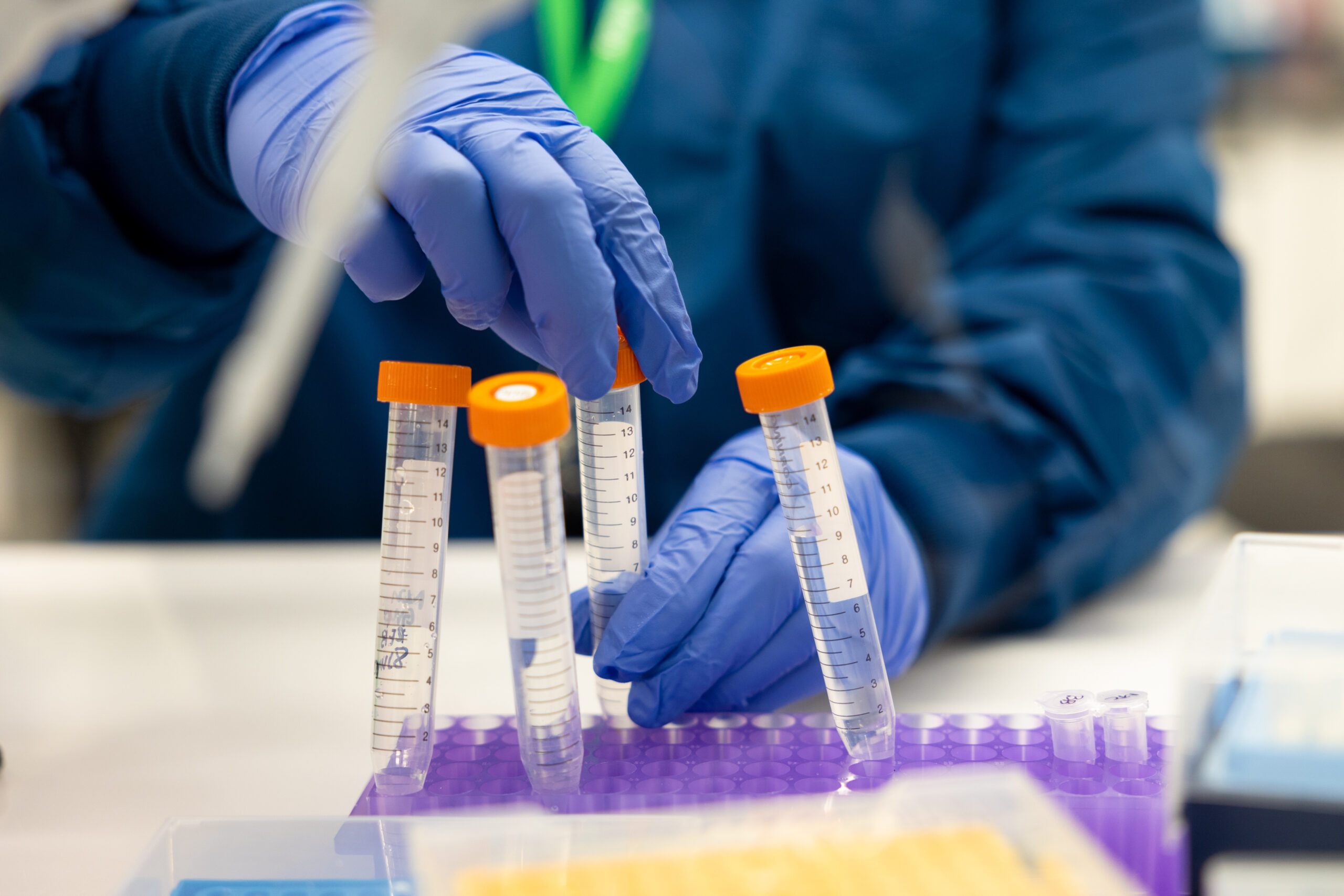
The upcoming trial will involve adults with poorly controlled blood sugar who currently use automated insulin delivery systems.
Participants will receive injections in both thighs during a single outpatient appointment, with effects expected within two to three months.
The protocol also includes a brief phase of immune modulation to support successful cell uptake of the therapy.
Experts note that even partial insulin production, enough to cover 75 percent of a patient’s needs, would mark a major advance, reducing reliance on pumps and high-dose injections while improving quality of life.
While caution is advised in labeling the therapy a “cure,” its potential to maintain blood sugar levels within a healthy range could effectively function as a practical solution for many patients.
The initial trial will last one year, with future studies expected to expand to broader patient groups, including those relying on daily injections.
Should results prove successful, KRIYA-839 could fundamentally transform type 1 diabetes management, shifting the condition from constant daily vigilance to control through a single intervention, offering hope and relief to millions.