Iran's Bold Move: Bitcoin for Strategic Strait of Hormuz Transit
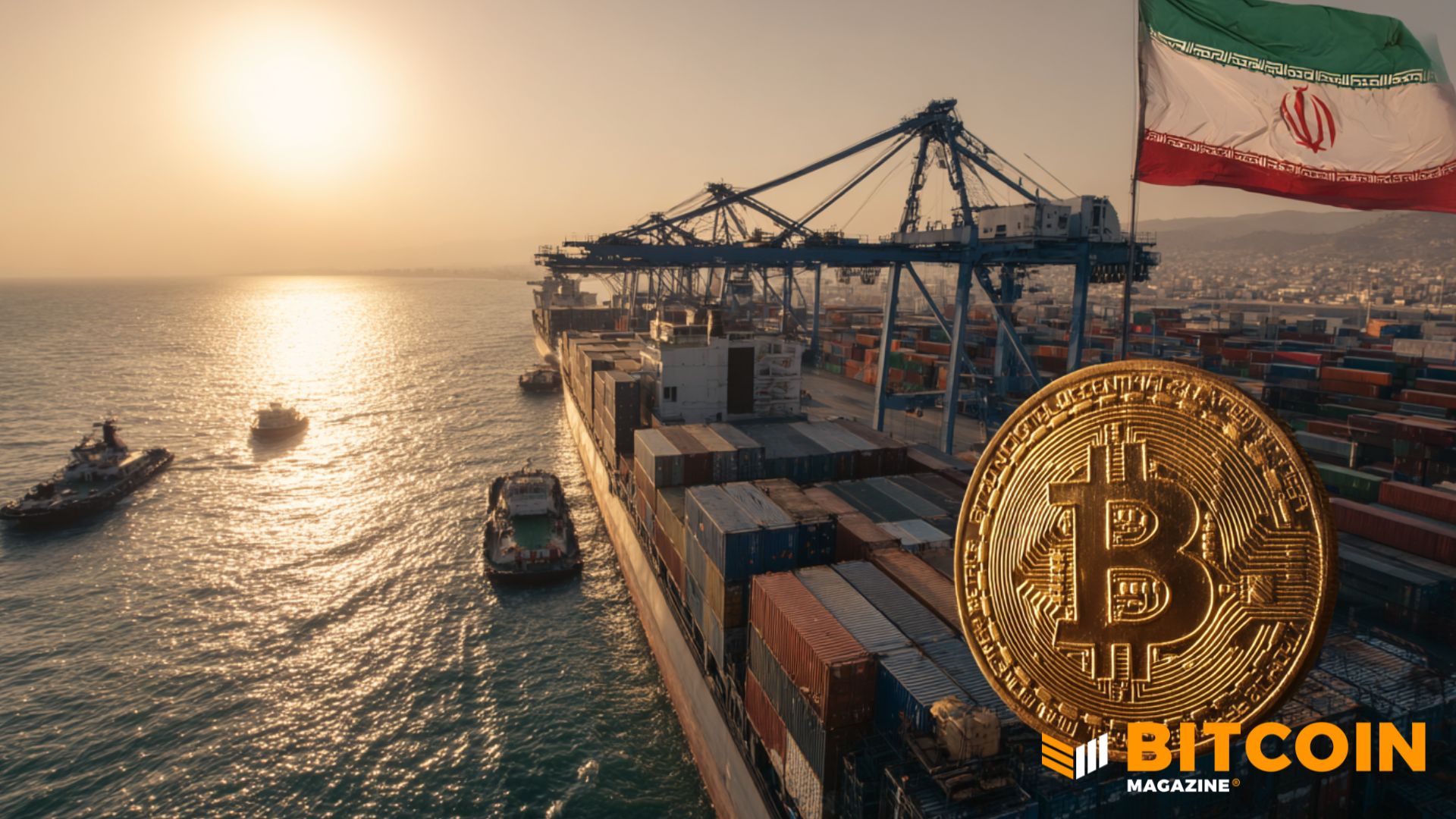
Iran plans to mandate shipping companies to pay transit tolls in Bitcoin for vessels navigating the Strait of Hormuz, according to a report by the Financial Times. This pivotal decision links Bitcoin directly to one of the world's most vital energy corridors and places the cryptocurrency at the heart of significant current geopolitical events. The policy is specifically designed to apply to oil tankers seeking passage during a two-week ceasefire period announced between Iran and the United States, following a notable shift in posture from Donald Trump.
The primary objective of this arrangement is to facilitate the reopening of a crucial maritime route that is responsible for handling a substantial portion of global oil flows. Simultaneously, it allows Tehran to retain a degree of control over access to this strategic waterway. Iranian officials have indicated that shipping firms would receive a formal payment request prior to their vessels' transit. Upon approval of the request, companies would be granted a brief window to complete the required transaction using Bitcoin.
This innovative payment structure represents a deliberate attempt by Iran to circumvent traditional financial systems, which remain heavily restricted by international sanctions. By adopting Bitcoin, Iran aims to preserve an effective mechanism for enforcing passage while operating outside the conventional banking networks. The move undeniably positions Bitcoin at the center of a volatile geopolitical flashpoint. Iran has been grappling with severe restrictions on dollar-based settlement systems for many years, which has severely limited its capacity to collect fees or process payments associated with its maritime trade. The shift to Bitcoin offers authorities a financial channel that operates independently of conventional banking and provides enhanced resistance to potential seizure.
For global shipping companies, this new requirement presents a complex set of considerations. Compliance with the Bitcoin payment mandate may secure safe and unobstructed passage through the narrow Strait of Hormuz, which connects the Persian Gulf to international markets. However, it also introduces shipping firms to several new risks, including exposure to the inherent volatility of digital assets, operational complexities, and potential legal uncertainties stemming from existing sanctions regimes. The financial markets have already begun to respond to these developments; Bitcoin's price surged above $72,500 immediately following the ceasefire announcement, reversing earlier declines that were driven by fears of escalating conflict. Currently, Bitcoin is trading near $73,000, reflecting a palpable shift in risk sentiment as traders re-evaluate the likelihood of supply disruptions and broader international conflict.
The proposed Bitcoin toll system vividly highlights how digital assets can become deeply intertwined with state policy, especially when nations are operating under significant economic and political pressure. For Iran, Bitcoin serves as a practical tool to collect revenue and assert its authority without relying on traditional financial intermediaries. For the global shipping industry, this move signals a potentially transformative change in how access to critical infrastructure could be priced, managed, and enforced in the future. It is important to note that the announced ceasefire remains limited in both its scope and duration. Any breakdown in the ongoing negotiations could swiftly halt transit operations or drastically alter the established payment framework, leaving shipping companies vulnerable to sudden and unpredictable policy shifts. Nevertheless, the introduction of Bitcoin as a toll mechanism marks a significant test case for the broader application of cryptocurrency in sovereign-controlled trade routes, with profound implications that extend far beyond the immediate region.
Recommended Articles
Bitcoin Roars Back: $72K Conquered, $80K Next as Bull Market Ignites!
Bitcoin recently surged to $72,767, triggering massive market volatility and nearly $596 million in liquidations, predom...
Bitcoin's Ghost Revealed: Satoshi Nakamoto's Identity Rocks Crypto World

A recent New York Times investigation claims to have unmasked Satoshi Nakamoto, Bitcoin's elusive creator, as British co...
Bitcoin's Critical $70,000 Battle: Can King Crypto Hold the Line?
The cryptocurrency market is navigating a dynamic period with key developments for XRP in Japan, Bitcoin's struggle with...
Bitcoin Rocket Launch: Price Soars Past $69K as $196M in Shorts Get Liquidated!
The cryptocurrency market has seen a dramatic rebound, with Bitcoin surging past $69,000 and triggering nearly $200 mill...
Charles Schwab Plunges into Crypto with Direct Bitcoin Trading Account!
Financial services giant Charles Schwab is set to deepen its involvement in digital assets with the upcoming launch of "...
You may also like...
When Cities Consume Their Foundations: How Lagos’ Lagoon Is Being Dug Away
Lagos and other parts of Africa are being built on sand extracted from their own lagoon, and the ecological cost is moun...
It's Easier to Fly to Europe Than to Another African Country, And That's Not by Accident
Intra-African travel remains harder than trips to Europe due to colonial-era borders, weak passports, and policy choices...
What If Your Body Could Heal Arthritis Instead of Just Managing It?

Duke University’s breakthrough in regenerative arthritis therapy could shift treatment from pain management to joint rep...
Countries A Nigerian Passport Holder Can Enter Without a Visa in 2026

A Nigerian passport holder can access 44 destinations visa-free or with simplified entry in 2026. Here is the full list ...
10 Countries That Grant Easy Citizenship by Birth

These are 10 countries that offer easy citizenship by birth, providing children with access to education, healthcare, an...
WGA Deal: Senatorial Pressure Mounts Amidst $321M Health Fund Details

The Writers Guild of America has struck a four-year deal with major studios, significantly overhauling its health care p...
Halle Bailey & Regé-Jean Page's 'You, Me & Tuscany' Sparks Divided Reviews

Halle Bailey and Regé-Jean Page star in "You, Me & Tuscany," a new romantic comedy set in Italy about an impulsive journ...
Historic Musical Fusion: Andrea Bocelli to Share Stage with Cumbia Stars Los Ángeles Azules and Ximena Sariñana in Mexico

Andrea Bocelli is set to perform a free concert at Mexico City's Zócalo on April 18, joined by Los Ángeles Azules and Xi...