If Rules Don’t Build Children, What Then Does?
Rules alone don’t build children. Experience, encouragement, and modeled behaviour helps shape resilience, creativity, and moral understanding in Children.
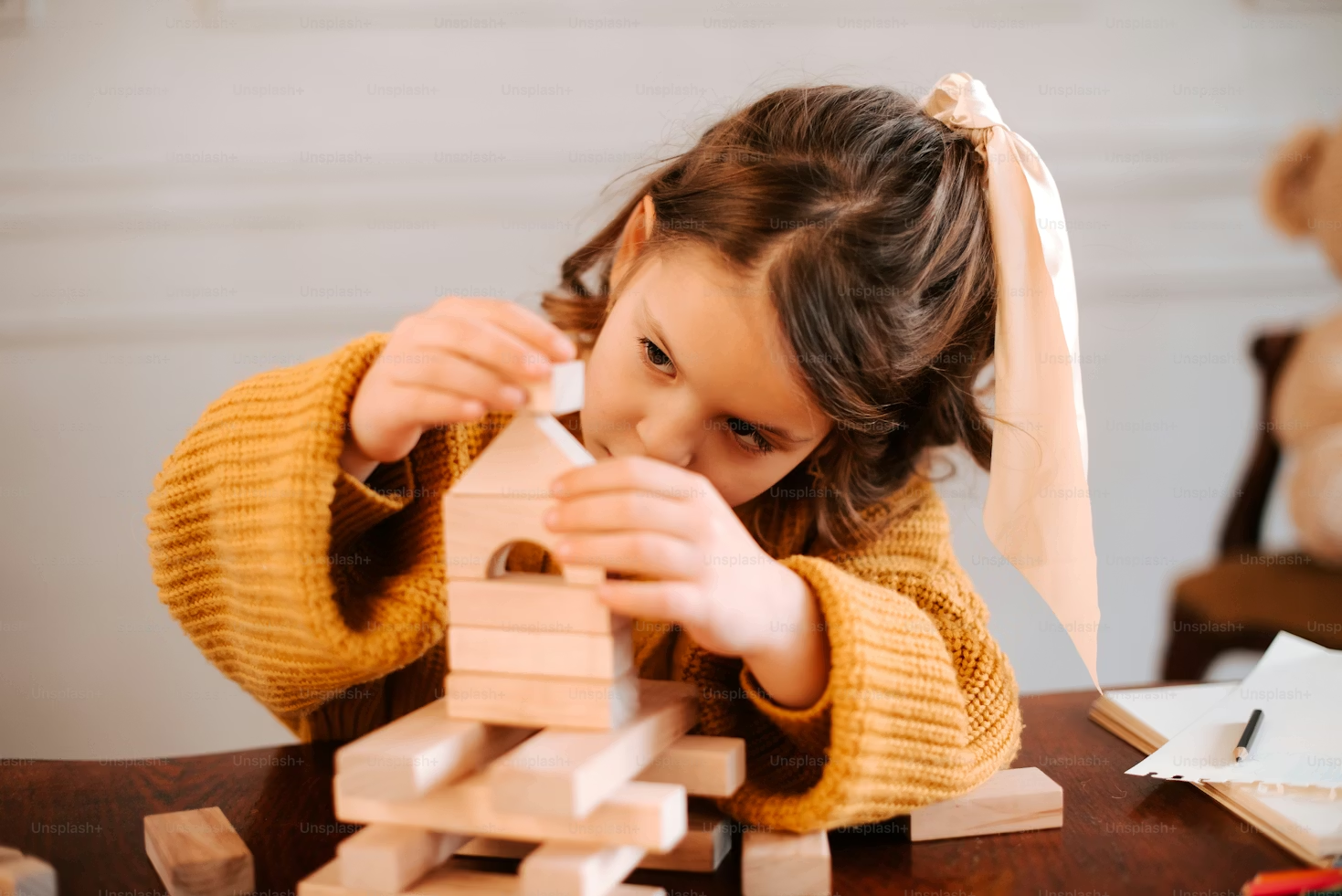
First, it is worthy to note that rules can be very strict and controlling. It can be very hard to stick to.
But rules with understanding can seem loving even when it is not comfortable, and it can be easy to stick to even when it is not pleasant.
Now, what should be the goal?
I would say the goal should be to create a structure where children can feel safe, be responsible and also accountable.
Rules are just like guardrails because they provide safety and predictability, and no doubt, they are really important.
They are important because they help children understand limits and keep them out of harm’s way.
But the thing about rules is, they can define what not to do, but cannot teach why those behaviours matter or how to make good decisions when no rule applies.
For example, telling a child “don’t lie” sets a boundary.
But if we don’t help them understand why honesty is valuable and how it builds trust and protects relationships, they may follow the rule only when someone’s watching.
Which is just obedience, not moral reasoning.
Children’s moral understanding grows through experience and reflection, not just instruction.
Now what they need exactly is understanding
This is having an insight, awareness and good comprehension about a matter.
Understanding is somewhat not easy to achieve, because It requires patience when you’re exhausted,
Listening when your instinct is to yell,
Humility when your pride screams at you to “just make them obey.”
It makes you treat the child as a human being, not a problem to fix.
So if rules are not enough, what actually builds a child’s character and capability?


Parenting wisdom tells that children grow strongest through experience, example, and encouragement.
1. Modeling Behavior
Children learn by watching adults more than they learn by listening to directives. They notice how adults handle frustration, resolve conflict, and treat others with kindness.
A parent who negotiates a disagreement calmly teaches patience and respect far more effectively than a sign that says “Be patient.”
The child development organization Zero to Three explains that, responsive caregiving and modeled behaviour lay the groundwork for emotional and social growth.
2. Encouragement and Positive Guidance
Children thrive when they’re guided with curiosity instead of fear. Praise effort over outcome, ask questions instead of handing down commands, and encourage exploration.
It's better to tell a child; “I saw how you tried two different ways to solve that puzzle, nice work!” other than telling the child; “Don’t touch the puzzle until I show you how.”
The two are not bad actually but, one builds confidence and problem‑solving skills. The other builds hesitation and fear of failure.
Process‑oriented praise builds resilience and motivation in children.
3. Experiential Learning
Definitely, some lessons simply can’t be taught in a rulebook, they must be lived.
This is where they learn negotiation, patience, fairness, and conflict resolution. These are skills no sign in a classroom could teach.
Experiential learning, where children engage in real tasks with real consequences, is one of the most effective paths to deep understanding and long‑lasting growth.
Now, rules are not to be entirely dismissed, they are critical for creating a safe, structured environment.
They are the scaffolding that supports growth. But scaffolding alone doesn’t build the house.
Children need the freedom to test limits, make mistakes, and discover lessons that rules can’t explicitly teach.
In summary, what the message this article is trying to pass across is;
Explain the Why: Instead of “Don’t hit your sibling,” say “Hitting hurts others and doesn’t solve the problem — let’s find another way.”
Set Boundaries, Not Barriers: Children should know limits, but they also need room to explore within those limits.
Praise Intent and Effort: Focus on curiosity, persistence, and initiative, not just obedience or results.
Create Safe Failure Zones: Let children experience small consequences and learn from them. When a tower collapses, talk about what happened and how they might try again.
Be a Role Model: Demonstrate empathy, honesty, and resilience. Children learn just as much, if not more, from how we act as from what we say.
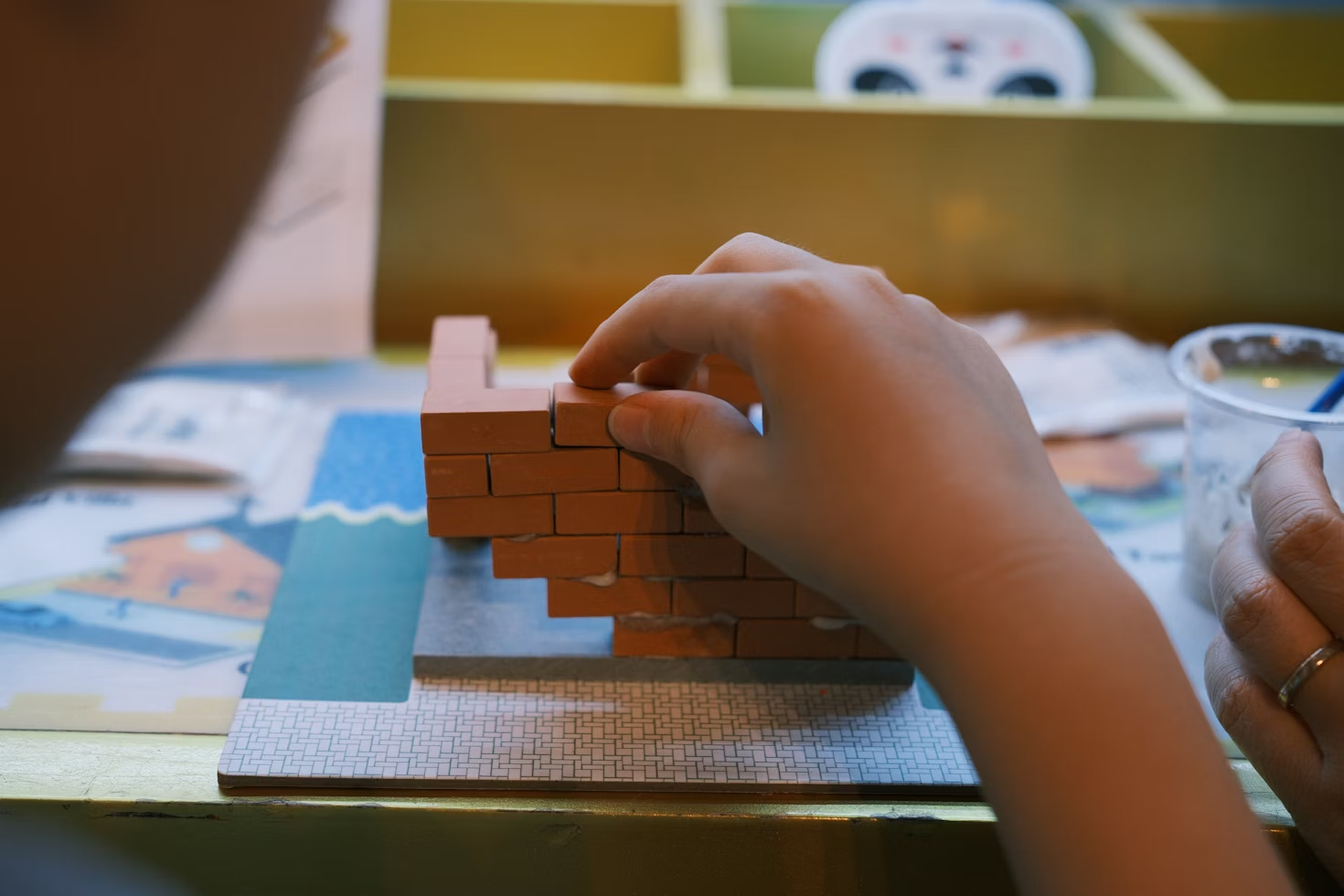
This is because rules provide boundaries, and help keep children safe and help society function. But they don’t build children.
I will end this with a short story of when my cousin was younger, she had a habit of sneaking out at night to see a boy she liked, even though she knew her parents had strict rules about curfews.
One evening, she was caught by a neighbor while climbing over the gate, and the fear of getting in trouble made her heart pound like never before. The neighbor reported her to her parents though, most likely what Nigerian parents will do.
But surprisingly, instead of punishing her harshly, her parents used the moment to talk about trust, choices, and consequences.
The way her parents handled the whole didn’t just teach her to follow rules; it helped her understand why rules exist, how to make safer decisions, which is far more valuable than blind obedience.
Children aren’t meant to be perfect rule-followers. They’re meant to become capable, confident humans. And that requires far more than obedience alone.