How Slave Ports Became Tourist Attractions: A Quiet Commercialization of Pain
West Africa’s slave ports, like Elmina Castle and Gorée Island, now attract tourists—but at what cost? This article explores the uneasy balance between remembrance and revenue, examining how trauma, history, and tourism intersect at sites of profound suffering.
.png)
Written By: Emmanuel Okoye
The Door of No Return, a chilling portal through which millions of Africans were forced ontotransatlantic slave ships, stands in stark relief against the vibrant West African coastline. Once a symbol of unimaginablehuman suffering, sites like Ghana'sElmina Castle and Cape Coast castles, Senegal'sGorée Island, and Nigeria'sBadagry are now popular tourist destinations.
This transformation, while bringing global attention to a horrific past, raises complex questions about the commercialization of pain and the delicate balance between remembrance and revenue.
For many visitors, the initial encounter with these fortresses is one of overwhelming sadness and profound reflection on the scale of human cruelty.
These former slave ports, hallowed grounds of atrocity, now navigate a nuanced reality where the economics of tourism intersect with the solemn duty of honoring the enslaved, occasionally risking the dilution of their agonizing history.
This delicate balance often places the sites, and the communities surrounding them, at a crossroads between economic necessity and historical integrity, challenging them to preserve the memory without exploiting the trauma.
Balancing Preservation and Profit: The Tourist Experience
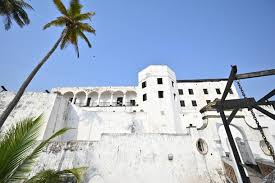
Photo Credit: UNESCO
The journey through these slave ports often begins with a solemn tone, yet the practicalities of tourism quickly become evident. AtElmina Castle in Ghana, aUNESCO World Heritage site, visitors pay an entrance fee, contributing to the upkeep of the crumbling ramparts and dark dungeons. Guided tours, often led by impassioned local historians, narrate the brutal journey of enslaved Africans from holding cells to the waiting ships.
However, the experience can quickly shift. The "Door of No Return," meant to evoke the final, irreversible step into bondage, has, for some, become a primephoto opportunity.
Souvenir vendors, often selling crafts and trinkets, operate just outside or even within the immediate vicinity of these historical markers, creating a jarring juxtaposition of commerce against a backdrop of mass graves and profoundhuman rights violations.
The current tourism models at these sites strive for a balance between historical preservation and commercial viability.
The revenue generated from entrance fees, gift shops, and local vendors theoretically supports the maintenance of these fragile structures and the communities around them. However, thiseconomic imperative can inadvertently shape the visitor's understanding.
While guides earnestly share historical facts, the sheer volume of tourists, the rush of scheduled tours, and the presence of commercial activity can transform a deeply contemplative experience into a more superficial one.
Visitors might leave with historical knowledge, but the depth of emotional engagement and critical reflection on the enduring legacies of slavery can be compromised. This reduces the historical trauma to a consumable experience rather than a profound lesson in human resilience and injustice.
History
Rewind the Stories that Made Africa, Africa
A Journey Through Time, Narrated with Insight.
Voices and Narratives: Who Tells the Story?
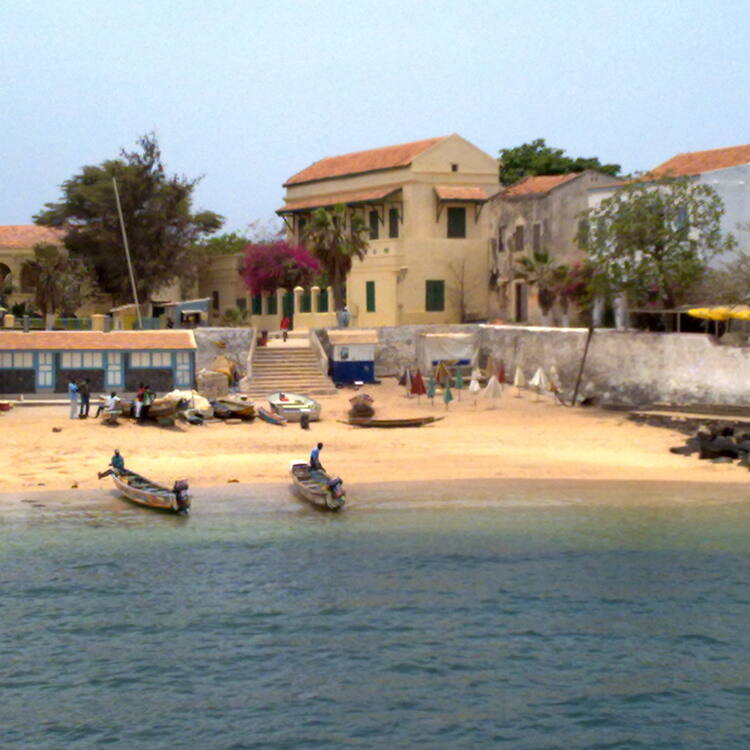
Photo Credit: UNESCO
The narratives presented at these slave ports are crucial in shaping visitors' perceptions, but they are not always monolithic. While the primary focus is on the transatlantic slave trade, the voices and perspectives prioritized can vary, and some remain muted. Typically, the tours emphasize the experiences of the enslaved, the brutality of their capture and confinement, and the role ofEuropean powers.
In places likeGorée Island, the emphasis is often on the universal injustice of slavery, drawing visitors from across the globe. This universal framing can sometimes dilute the specific African experiences and connections.

However, the voices of African descendants, particularly those whose ancestors were victims of this trade, are not always at the forefront of the interpretive narrative beyond the historical facts. The complexity of Africancomplicity while sometimes acknowledged, is often navigated delicately, if at all, to maintain a focus on the largersystemic injustice.
For example, discussions about the role of local chiefs or African traders in the transatlantic slave trade can be minimized or omitted to avoid creating discomfort or undermining narratives of pure victimhood.
Scholars and activists argue that there needs to be a deeper engagement with the legacies of slavery within contemporary African societies and a more prominent platform for thedescendants of the enslaved to share their perspectives and interpret their own history.
Descendants can offer profound personal narratives, weaving in family histories passed down through generations, connecting the abstract historical facts to tangible human experiences. They can speak to theintergenerational trauma and resilience, explaining how the legacy of slavery impacts their communities and identities in present-day Africa and the diaspora.
These personal stories provide a vital emotional depth, illustrating not just the pain, but also the enduring strength, cultural survival, and ongoingquest for justice that resonate today.
The challenge lies in moving beyond a purely historical recounting to a more dynamic engagement with memory, reconciliation, and the ongoing impacts of a past that continues to shape identities and inequalities.
Some historians and local communities advocate for a more nuanced presentation that includes the internal dynamics ofpre-colonial African societies, the devastating impact of the slave trade on those societies, and the ongoing struggle forreparative justice.
This broader narrative can help visitors understand the multifaceted nature of the past and its lasting effects on present-day socio-economic structures.
Efforts are slowly being made to incorporate morecommunity voices, throughoral histories and local exhibitions, to enrich the established narratives. By sharing how their heritage informs their activism, art, and daily lives, descendants can transform the tour from a historical lesson into a powerful, living testimony of overcoming adversity.
This direct engagement helps visitors grasp the profound and continuous relevance of the slave trade, fostering deeper empathy and encouraging a more active reflection on its modern implications.
Reflection or Consumption: Genuine Engagement with Trauma
History
Rewind the Stories that Made Africa, Africa
A Journey Through Time, Narrated with Insight.
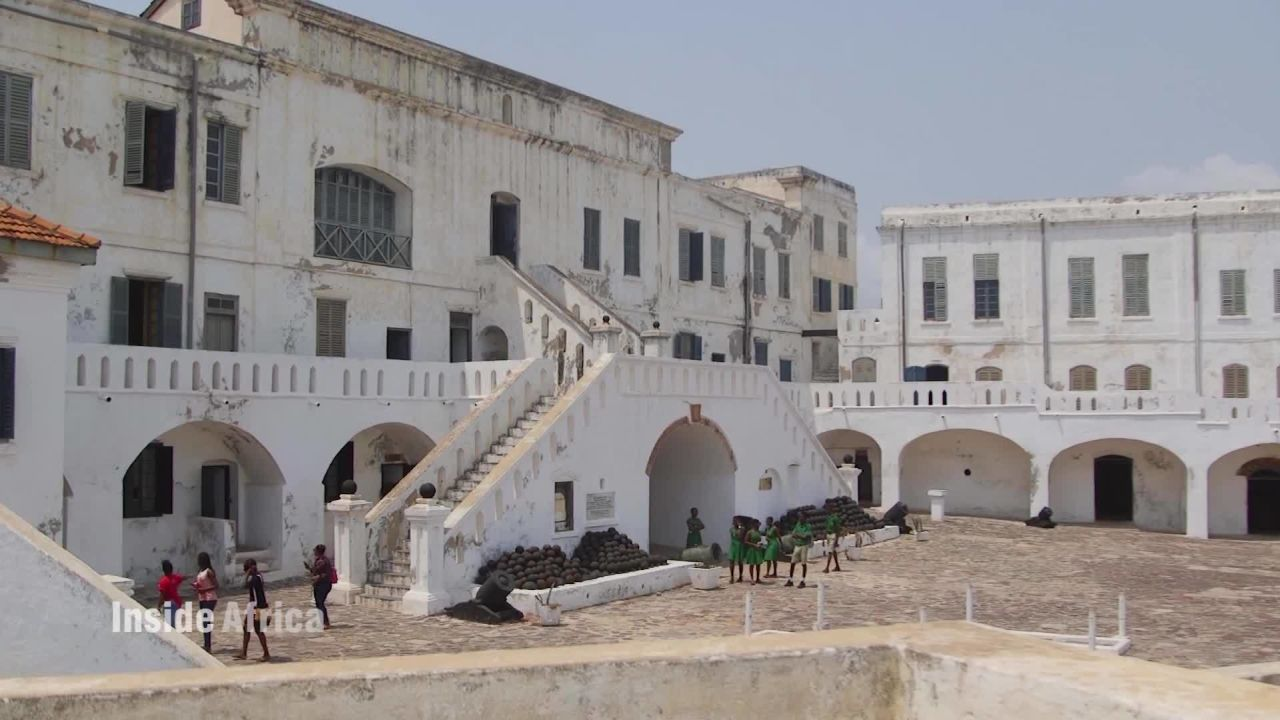
Photo Credit: CNN
The ultimate question for these transformed slave ports is whether they adequately serve as places of profound reflection and education, or if they risk becoming a consumption of historical trauma without genuine engagement.
For many, a visit to Elmina or Gorée is deeply moving, eliciting powerful emotions and a renewed understanding of the horrors of slavery. The cramped dungeons, the shackles, and the "Door of No Return" undeniably provide a visceral connection to the past.
READ ALSO: The doors of No return in Ghana -- a symbol of tragedy and resilence
Visitors often report a sense of heaviness and a realization of the immense suffering that occurred within those walls. Yet, concerns persist. The presence of souvenir shops selling "Door of No Return" keychains or branded t-shirts, though providing livelihoods, can detract from the solemnity.
The ease with which visitors can snap selfies at poignant locations, sometimes even inadvertently smiling, can trivialize the immense suffering these spaces represent.
This phenomenon, often termed "dark tourism" or "trauma tourism," raises ethical questions about how historical sites of immense suffering are consumed by the public. Are these sites truly fostering empathy and critical thought, or are they inadvertently creating a form of "trauma tourism" where the suffering of others becomes a spectacle?
For these sites to truly honour the enslaved and serve as powerfuleducational institutions, greater emphasis must be placed on fostering genuine engagement.
This could involve incorporating more interactive exhibits that encourage reflection, providing spaces for quiet contemplation away from commercial distractions, and facilitating dialogue that connects the historical past with present-day issues of human rights and racial justice.
Some proposals include dedicated reflection rooms, post-tour debriefing sessions, or curated art installations that evoke the emotional weight of the history without glorifying it.
It also means actively seeking and amplifying the voices of descendant communities and ensuring that the economic benefits of tourism directly contribute to the healing and empowerment of those most impacted by this agonizing history.
This could involve directing a portion of tourism revenue directly to community development projects oreducational initiatives in local towns historically linked to the slave trade. Only then can these profoundly significant places transcend their commercial aspects and truly fulfill their duty as enduring memorials and powerful catalysts for change.
Written By: Emmanuel Okoye