How Mindfulness Improves Communication and Deepens Relationships
Mindfulness helps people communicate better by being considerate, listening carefully, and responding thoughtfully. This simple practice strengthens relationships.

Mindfulness means paying full attention to the present moment.
Being mindful means noticing the other person and responding with thoughtfulness, not just words.
A friend was once talking to me about a problem she was facing in school, but at intervals, I kept on pressing my phone which was sincerely an unconscious act because I really didn’t think it through.
Then she stopped talking at a point and there was a feeling of frustration on her face, and it was obvious that she was trying to pass the passage that I was not paying attention to her words, which meant to her that I was not intentional about her.
I apologised but the conversation had lost its warmth.
So many arguments and misunderstandings in daily life start not because of anger or hate, but because one or both people aren’t fully paying attention.
And this is where mindfulness comes in, it’s about being considerate, noticing the other person, and giving them your full attention.
What Mindfulness Means in Communication

Mindfulness isn’t about sitting cross-legged or meditating for hours.
In relationships, it means being aware of the other person: noticing their words, tone, and feelings.
It means listening without planning your reply, judging, or letting your mind wander. When you are mindful, you show respect, care, and understanding.
Mindfulness training improves sustained attention and reduces mind wandering, which helps people stay focused during conversations, it also improves attention and emotional awareness—two skills that make conversations smoother and more meaningful.
Social Insight
Navigate the Rhythms of African Communities
Bold Conversations. Real Impact. True Narratives.
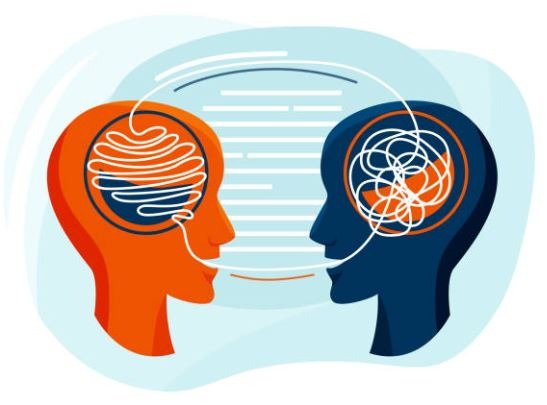
Caption:Active Listening: Listen first, then share
When we are mindful, we truly listen. Listening fully helps reduce misunderstandings because we catch the meaning behind the words.
For example, you ask someone how the person is faring and the person says they are fine, but you might notice the tone or body language that says otherwise.
Probably they are trying to give an automated response, so instead of hearing “I’m fine” and assuming everything is okay.

As a mindful listener, you can gently ask, “Are you sure? You seem upset.” Being considerate in this way builds trust and makes people feel heard.
Mindful.org explains that even small improvements in listening can dramatically strengthen relationships over time.
Mindfulness Reduces Conflict
Many conflicts happen because people react too quickly to frustration or criticism. Mindfulness teaches a pause between emotion and response.
When you notice yourself feeling annoyed or defensive, you can take a breath and think: “How can I respond in a way that is respectful and helpful?”
Mindfulness can lower stress reactions, making it easier to stay calm during tense moments. This small pause can prevent arguments from escalating, turning potential conflicts into healthy conversations.

Mindfulness Builds Emotional Connection and Reduces Assumptions
Being considerate through mindfulness also strengthens emotional bonds.
When someone notices and validates another person’s feelings, it creates safety and trust. Empathy grows naturally.
You begin to see situations from the other person’s perspective rather than focusing only on yourself.
Many relationship problems start with assumptions.
Social Insight
Navigate the Rhythms of African Communities
Bold Conversations. Real Impact. True Narratives.
A friend doesn’t reply to a message, and we think they are ignoring us.
A partner says something casually, and we take it as criticism.
Mindfulness encourages asking and clarifying instead of assuming.
This habit keeps communication open and honest, preventing resentment from building.
By addressing issues as they happen, relationships become stronger and more understanding.
People feel valued, and that sense of connection makes conversations richer and more meaningful.
Everyday Ways to Practice Mindful Communication

You don’t need to spend hours meditating to practice mindfulness. There are some simple ways to practice:
Put away distractions: Phones and screens can interrupt conversations. Giving your full attention shows consideration.
Focus on listening: Don’t think about your response while the other person is talking.
Breathe before replying: This small pause helps you respond calmly.
Ask questions: Instead of assuming, clarify and show curiosity about their feelings.
Notice non-verbal cues: Pay attention to tone, facial expressions, and gestures.
These small, thoughtful actions create more meaningful interactions and gradually build stronger bonds.
Social Insight
Navigate the Rhythms of African Communities
Bold Conversations. Real Impact. True Narratives.
Mindfulness is really just being considerate, which is something anyone can practice daily.
Conclusion
Mindfulness teaches us to pause, listen, and consider the feelings of the other person. It helps reduce misunderstandings, prevent conflicts, and deepen emotional connections.
By being mindful and considerate in everyday conversations, we can turn small talks into meaningful dialogue, misunderstandings into understanding, and routine interactions into moments of genuine connection.
Mindfulness doesn’t just improve communication, it changes how we relate to each other.