How Ankara Came to Africa: A Tapestry of Trade
Ankara, with its blazing hues and geometric symphonies, is more than fabric; it is memory woven into cloth, history etched into thread. To many, Ankara seems inherently African, like baobab trees or ancestral drums. But the path of Ankara to Africa is like a long and meandering river.
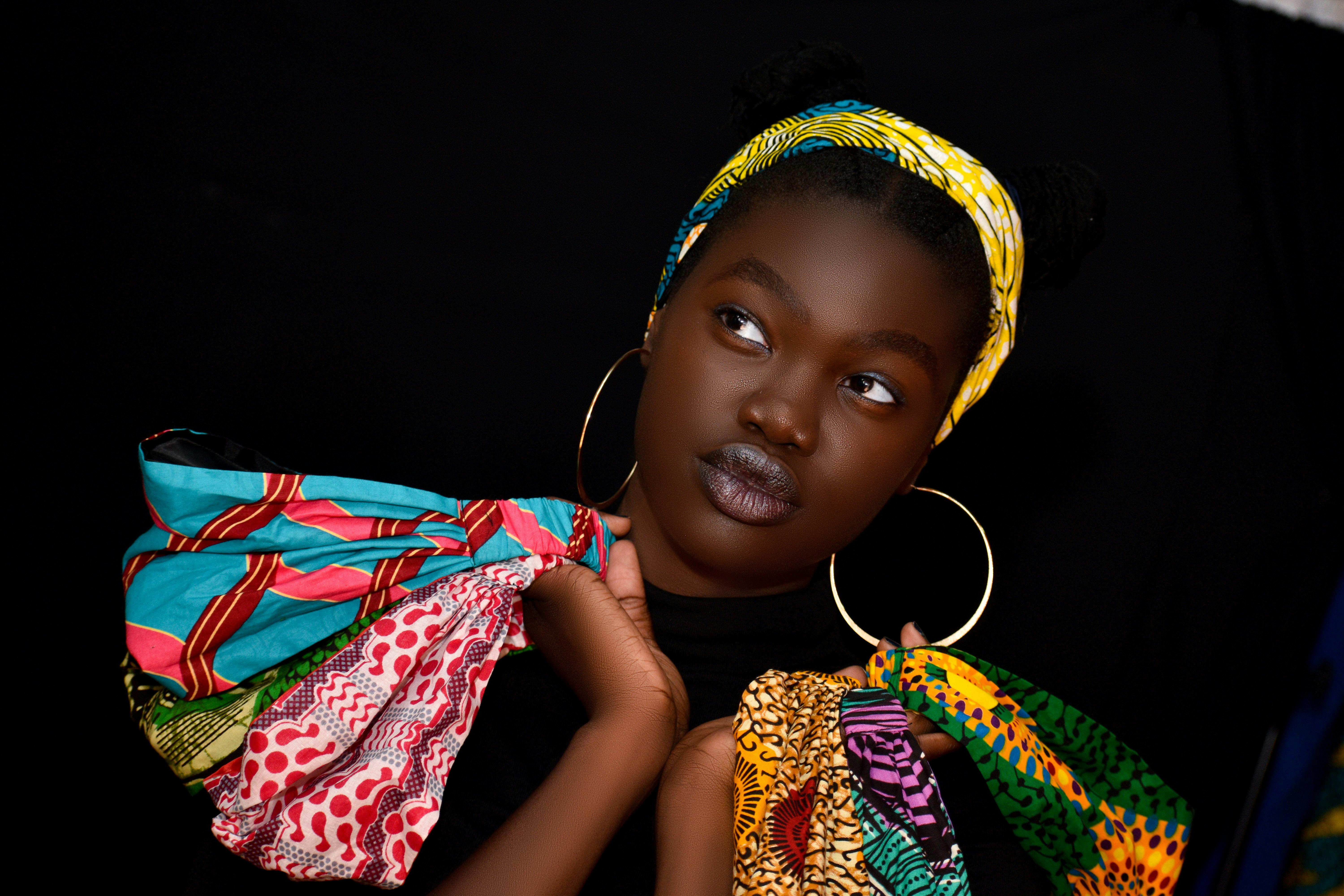
Ankara, with its blazing hues and geometric symphonies, is more than fabric; it is memory woven into cloth, history etched into thread. To many, Ankara seems inherently African, like baobab trees or ancestral drums. But the path of Ankara to Africa is like a long and meandering river.
The Looms of Empire: A Dutch Beginning
The story begins not on African soil, but in the lush, tropical islands of the Indonesian archipelago. In the 19th century, inspired by the intricate batik wax-resist dyeing techniques of Java, Dutch manufacturers began producing similar patterns using industrial methods in European factories — particularly in the Netherlands and Manchester, England. These wax prints, created with precision and bright color, were initially intended for the Southeast Asian market. Yet, as with any artform, regional tastes and cultural traditions shaped preference, and the Javanese, with their deep-rooted appreciation for handmade batik, favored their ancestral methods. As trade shifted and markets opened, these vibrant fabrics found new direction — carried by maritime routes to the western coast of Africa, where their bold patterns and storytelling appeal resonated deeply with local tastes and fashion sensibilities.
The Atlantic Drift: A Fabric Finds New Shores
Ankara entered Africa like a foreign spice — curious, bold, not yet understood. At first, it was known by different names — Dutch wax, Hollandais, or veritable wax — and was considered a luxury, imported and sold by European merchants and Lebanese middlemen in markets from Accra to Lagos.
Though often associated with the Turkish capital, the term Ankara as used for the fabric in Africa likely emerged through trade and popular usage in West Africa, possibly as a misattribution or shorthand for the luxurious, foreign feel of the cloth. Some believe the name was adopted in local markets to distinguish this bold, wax-printed textile from other types of fabric. Over time, Ankara became a popular name across much of Africa, displacing terms like “Dutch wax” or “Hollandais” in everyday language.
West African women, particularly in coastal cities like Lomé and Abidjan, became the unspoken arbiters of taste. They gave each print its own nickname, drawing from proverbs, gossip, politics, and local lore. One cloth might be called “Oba no dey sleep” (the king does not sleep) while another might be “You leave, I leave”, signaling relationship tension. In this way, fabric became not just attire, but a coded language — a wearable diary.
What began as a colonial byproduct evolved into a vibrant form of self-expression. Like a drifting seed carried by the trade winds, the wax print found rich soil in Africa — and there, it flourished.
From Mimicry to Mastery: Africanization of Ankara
Africa did not merely adopt Ankara — she baptized it. Like rivers that shape the rocks they run over, African aesthetics reshaped the fabric’s identity. New patterns were commissioned by African traders and tailors. Local stories were etched into the dye: symbols of fertility, resistance, unity, and celebration.
In Ghana, women traders known as market queens or Nana Benz in Togo and Benin (named after the Mercedes-Benz cars their trade afforded them) became the powerbrokers of the Ankara world. They traveled to Europe to commission new designs and control supply. They were not merely consumers but cultural curators, wielding influence with the same precision as their ancestors had with oracles.
Post-Independence and the Homegrown Revolution
As African nations gained independence in the mid-20th century, Ankara evolved from a foreign luxury to a symbol of pride. Leaders like Kwame Nkrumah and Thomas Sankara urged the use of indigenous textiles as part of a broader cultural revival. Local mills, such as Ghana Textiles Printing (GTP) and Nigeria’s UNTL, were established to produce prints for the local market. Ankara no longer needed a Dutch passport; it had found a permanent home.
The transition wasn't always smooth. European companies like Vlisco continued to dominate the market, and Chinese imitations threatened local manufacturers. Yet, African designers, tailors, and youth refused to let the Ankara story end in stagnation.
In the hands of 21st-century African designers, Ankara has been reborn again — tailored into haute couture gowns, stitched into urban streetwear, printed onto shoes, bags, and tech accessories. The fabric that once failed in Java now walks Paris runways, shimmers in Lagos weddings, and dances in Accra’s Independence Day parades.
Conclusion: A Fabric Reclaimed
History
Rewind the Stories that Made Africa, Africa
A Journey Through Time, Narrated with Insight.
Ankara’s journey to Africa is a testament to the continent’s ability to absorb, transform, and reassert identity. Like the Sankofa bird that flies forward while looking back, Ankara reminds us that heritage is not always about origin — it is about meaning. And in the kaleidoscope of its patterns, Africa has stitched its own narrative: resilient, radiant, and resolutely proud.
So, the next time you wear Ankara, know that you wear centuries — of missteps and mastery, of cultural collision and communion — all bound in wax and wonder.