Strait of Hormuz Tensions Spike as US and Iran Clash Over Conflicting Maritime Claims
The Strait of Hormuz is the scene of escalating tensions as U.S. and Iranian forces offer sharply conflicting accounts of recent maritime incidents, including alleged missile strikes and successful transits. While the U.S. denies any ships were hit and confirms support for "Project Freedom" to ensure maritime passage, Iran claims it blocked U.S. destroyers and warns of serious risks for violating vessels. The unverified situation underscores the strategic importance of the strait to global oil supply and international shipping.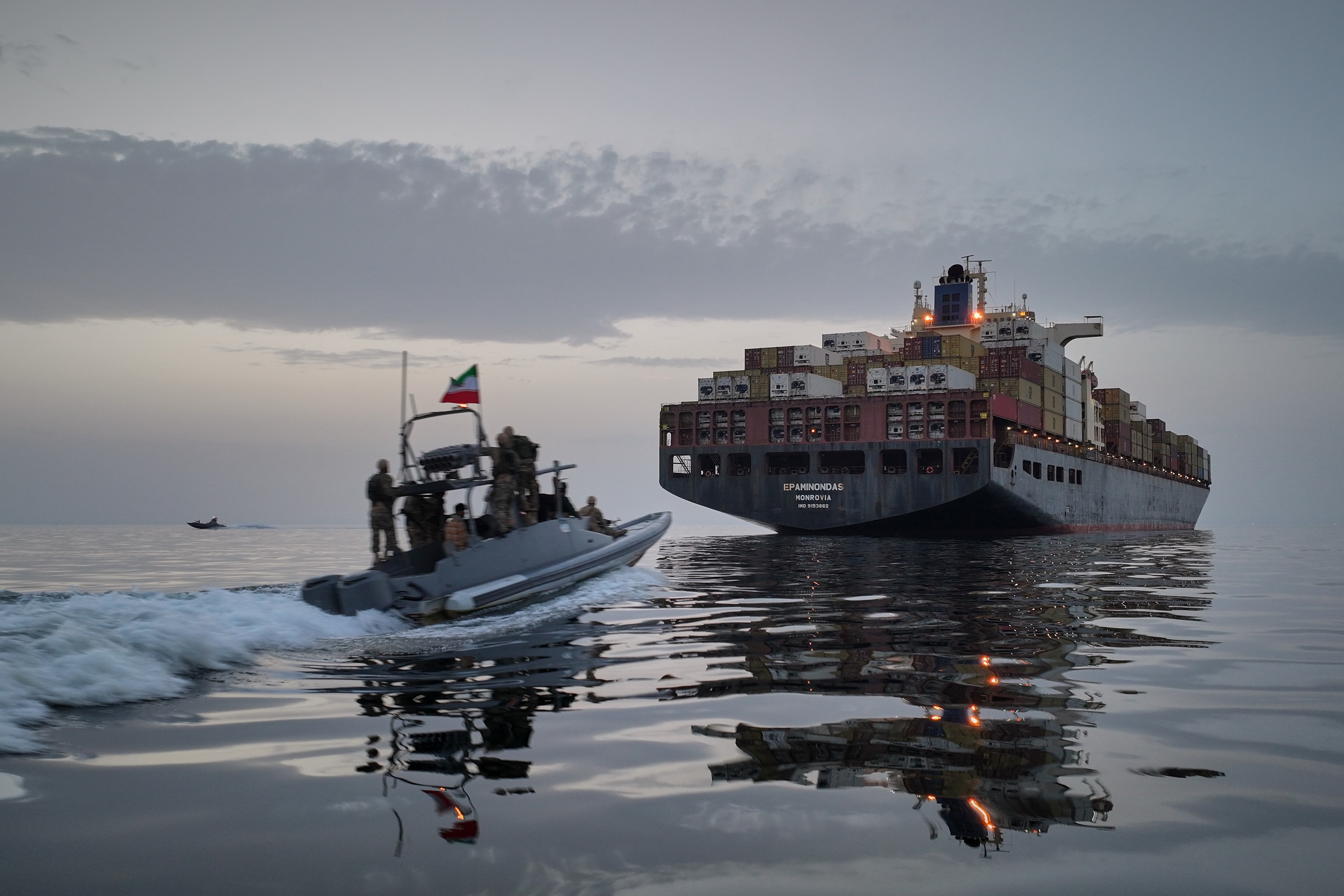
Tensions have sharply escalated in the Strait of Hormuz as the United States and Iran issued conflicting accounts of recent naval incidents. Iranian state media and the Islamic Revolutionary Guard Corps claimed their forces blocked U.S. warships and struck a vessel accused of violating maritime protocols.
They also suggested that commercial traffic through the strait had been halted, signaling a serious escalation in the already fragile region.
U.S. officials, however, swiftly rejected these claims, insisting that no American naval assets were hit and that maritime movement continued without disruption. The United States Central Command stated that American-flagged vessels had successfully passed through the waterway.
It also confirmed ongoing operations aimed at maintaining open shipping lanes, supported by a layered military presence including naval ships, aircraft, and surveillance systems.
The standoff shows the strategic sensitivity of the Strait of Hormuz, a vital chokepoint for global oil supply and international trade. Any disruption in this corridor has immediate implications for global energy markets and shipping security.
With both sides maintaining opposing narratives and no independent verification available, uncertainty continues to cloud the situation.
As tensions persist, the risk of further escalation remains high, with geopolitical and economic consequences at stake. The situation is being closely monitored by global stakeholders, particularly those reliant on uninterrupted oil shipments.
The evolving crisis reveals the fragile balance of power in one of the world’s most critical maritime regions.