Middle East Explodes: Iran Strikes UAE Base, Israel Claims Intelligence Chief Assassination

Published 18 hours ago4 minute read
Pelumi Ilesanmi
Pelumi Ilesanmi
Middle East Explodes: Iran Strikes UAE Base, Israel Claims Intelligence Chief Assassination

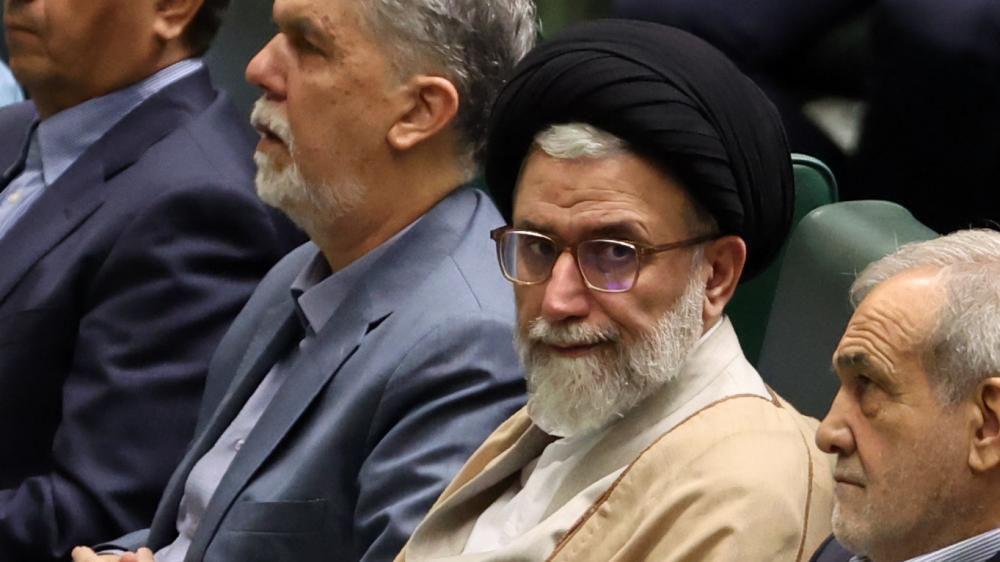
The conflict between Israel and Iran has reached a critical new phase following Israel's declaration that Iran's intelligence minister, Esmaeil Khatib, was killed in an overnight airstrike in Tehran. This marks the latest in a series of targeted assassinations of high-ranking Iranian officials, intensifying the already volatile situation across the Middle East. Israel's Defence Minister Israel Katz confirmed Khatib's elimination, vowing more 'significant surprises' and stating that the Israeli military is authorized to 'hunt them all down,' targeting any senior Iranian official without additional approval.

Khatib, appointed Iran's intelligence minister in 2021, was a veteran of the Islamic Revolutionary Guard Corps (IRGC) and reportedly close to the late Supreme Leader Ali Khamenei and his son, Mojtaba. He had recently been listed by the US State Department as a 'key leader' within the IRGC. Israeli intelligence officials believe these targeted killings, which also include security chief Ali Larijani and military commander Gholamreza Soleimani, are sowing 'chaos' within Iran's leadership, disrupting policy-making and decision-making processes. Larijani, a central figure in Iran's war command structure, was considered an indispensable figure after Khamenei's death, making his assassination a 'seismic' loss for the regime. His public appearance at a Quds Day rally reportedly made him a target, reinforcing Israel's message that Iranian officials have 'no safe place.'

In response to these assassinations, Iran has vowed revenge, unleashing a barrage of missiles and drones against Israel and its Gulf neighbors. Tel Aviv was targeted with missiles carrying cluster warheads, which tragically killed an elderly couple, bringing Israel's death toll from the conflict to at least 14. Gulf nations also experienced widespread attacks; Saudi Arabia intercepted drones targeting its diplomatic quarter in Riyadh and a ballistic missile near the Prince Sultan Air Base, which houses US forces. Qatar's defense ministry confirmed intercepting a missile attack, while a projectile hit near Australia's military headquarters, Al Minhad Air Base, in the United Arab Emirates. This base, which also hosts British and US troops, sustained minor damage but caused no Australian injuries. Attacks were also reported in Kuwait and Bahrain, underscoring the broad scope of Iran's retaliatory campaign.

Beyond direct confrontations, the conflict has had significant regional and global ramifications. Israel has continued its assault on Hezbollah militants in Lebanon, bombing a high-rise building in Beirut and carrying out ground operations. France, through its special envoy Jean-Yves Le Drian, deemed it 'unreasonable' to expect the Lebanese government to disarm Hezbollah while the country is under bombardment, advocating for a negotiated resolution. Globally, Sweden's Security Service identified Russia, China, and Iran as the biggest threats to the country, noting an increased threat against American, Israeli, and Jewish targets in Sweden due to the ongoing US-Israeli military operation against Iran. NATO has bolstered its defenses, deploying new Patriot missile batteries at Turkey's Incirlik air base and in Malatya province to counter missile threats from the Iran war.

Economically, Iran's effective closure of the Strait of Hormuz, a vital waterway through which a fifth of global oil and gas flows, has caused the largest oil supply disruption in history, sending commodity prices surging. In response, some nations are seeking alternative supply channels; Iraq has resumed limited oil exports through the Turkish port of Ceyhan, bypassing the strait, and South Korea is acquiring additional oil from the UAE via alternative routes. The global energy crisis has further complicated economic stability, with central banks weighing interest rates amidst rising prices.

The international political landscape has also been affected. Former US President Donald Trump criticized NATO allies, Japan, Australia, and South Korea for their perceived lack of support in reopening the Strait of Hormuz, asserting that the US does not need their assistance due to its 'military success' in Tehran. He even suggested that countries using the Strait should be responsible for it themselves. This stance has been met with European leaders, including France's Macron, and UK's Labour leader Starmer, rejecting Trump's calls for aid and urging him to cease bombing Iran. The internal US political impact was also notable, with a Trump counterintelligence official resigning in protest over the Iran war.

Recommended Articles

Loading...

You may also like...