Heated Parliamentary Clash: Ghana Grapples with 'Who Should Compensate Whom?' in Slavery Reparations Debate
A significant ideological and diplomatic debate surrounds reparatory justice for the Transatlantic Slave Trade, intensified by a recent UN resolution classifying it as a grave crime against humanity. Ghana, a key proponent, faces internal parliamentary division while strongly rebuking the US for voting against the resolution. The discussion delves into historical African participation versus systemic responsibility, and the enduring economic consequences demanding redress.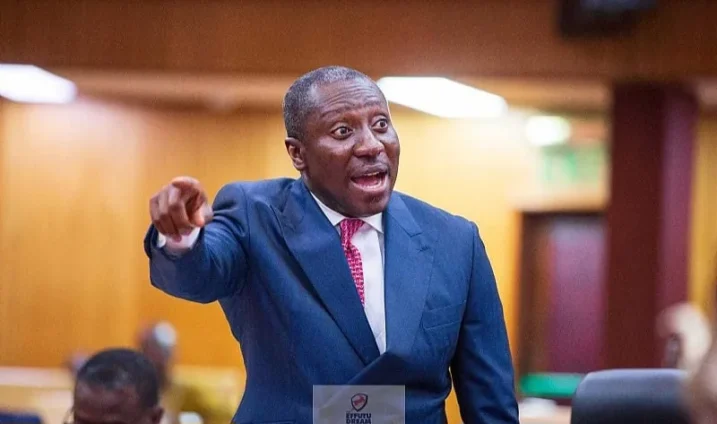
A significant ideological divide has emerged regarding reparatory justice for the Transatlantic Slave Trade, both within Ghana's Parliament and on the international stage. This comes as the United Nations General Assembly, on March 25, 2026, overwhelmingly declared slavery and the transatlantic slave trade among the gravest crimes against humanity, an effort spearheaded by Ghana.
In a heated parliamentary session on March 27, Ghana's Minority Leader, Alexander Afenyo-Markin, challenged the prevailing narrative on reparations. He argued that any discussion of compensation must honestly confront the historical reality of domestic African participation in the trade, cautioning against a one-sided historical account that overlooks the role of indigenous people in enslaving their own kin. Afenyo-Markin questioned the logic of modern demands for financial redress without acknowledging internal culpability, stating, “Who should compensate whom? We maltreated our own and told the whiteman that he should also maltreat our own.” Despite his stance, he firmly condemned the inhumane treatment and injustices of the slave trade era.
In a swift rebuttal, Majority Leader Mahama Ayariga defended the necessity of reparations. He contended that the current economic disparity between the Global North and South is a direct result of capital accumulated through centuries of free, forced labor. Ayariga asserted that modern capitalist nations owe their prosperity to the foundations laid by enslaved Africans on Western plantations, thus demanding compensation as a claim for the fair distribution of that accumulated wealth. This internal debate in Ghana mirrors broader discussions within the African Union and CARICOM, and comes as President Mahama and Foreign Minister Samuel Okudzeto Ablakwa have been advocating for reparatory justice at the United Nations.
Ghana also issued a sharp diplomatic rebuke to the United States after Washington, along with Argentina and Israel, voted against the UN resolution. The resolution passed with 123 votes in favor, while 52 nations, predominantly Western European, abstained. Foreign Minister Samuel Okudzeto Ablakwa described the US position as