Health Alert: Avoid These 5 Dangerous Supplement Combinations!
:max_bytes(150000):strip_icc()/Health-GettyImages-SupplementCombosToNeverTake-2bc50769d72040668aeb8dccd26d1324.jpg)
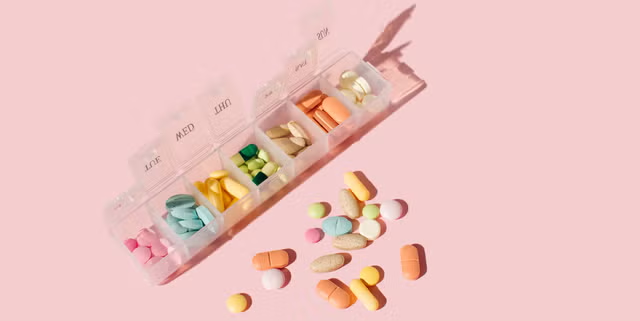
Taking dietary supplements can be beneficial for overall health, but the timing and combination of these supplements are crucial to ensure optimal effectiveness and safety. Certain supplements can interfere with each other's absorption or enhance effects when taken together, leading to reduced nutrient uptake, increased risk of side effects, or even health complications. Understanding these interactions and consulting healthcare professionals are vital steps to avoid potential dangers and maximize the benefits of supplementation.
One common interaction involves Calcium and Iron. Both calcium and zinc are known to block the absorption of iron supplements as they compete for absorption sites in the intestines. This competition is particularly significant for individuals with iron deficiency who require optimal iron uptake to combat anemia. To ensure the best absorption, iron should ideally be taken by itself in the morning with water or citrus juice, as vitamin C can assist iron absorption. Other mineral supplements should be avoided for at least two hours. If iron causes nausea on an empty stomach, it can be taken with a small amount of food. Calcium, too, should generally be taken on its own to optimize its absorption.
Similarly, Calcium and Zinc also compete for absorption in the gut, meaning that taking them simultaneously can reduce the amount of each mineral your body absorbs. Zinc plays a critical role in immune function and healing, while calcium is essential for bone health and filling dietary gaps. Poor uptake due to this competition can negatively impact these vital functions. A practical approach is to take calcium supplements with meals, especially forms like calcium carbonate, and to take zinc away from calcium-rich meals or other calcium supplements. Calcium citrate, however, can be taken with or without food.
The interaction between Zinc and Copper is another important consideration. These minerals compete for absorption in the small intestine, sharing similar transporters. While competition exists, issues typically arise from very high doses of zinc. Research indicates that long-term intake of 60 milligrams or more of zinc per day can impair copper absorption and lead to reduced blood copper levels. Copper deficiency, in turn, can cause health problems such as anemia and muscle weakness. To prevent this, it is crucial to stay below the Tolerable Upper Intake Level (UL) for zinc, which is 40 milligrams per day for adults. Spacing out the doses of these minerals throughout the day or opting for a balanced mineral or multivitamin supplement with lower doses of both can help maintain proper balance.
Beyond mineral interactions, certain supplements can affect blood coagulation. Fish Oil and Ginkgo Biloba both inhibit platelet function, which helps blood clot. Taking them together can significantly raise the risk of bleeding due to blood thinning. This is particularly dangerous for individuals already on blood-thinning medications like Warfarin, or prior to any scheduled surgery. The same caution applies to other supplements known for their blood-thinning properties, such as garlic, ginger, turmeric, and ginseng. To mitigate this risk, it is advised to avoid stacking these supplements, consider lower or alternative dosing, and always review your supplement regimen with your doctor, especially before any surgical procedure.
Finally, Activated Charcoal presents a unique interaction as it binds indiscriminately to minerals and vitamins, thereby severely impacting their absorption. Often used as a natural remedy for digestive issues or toxin elimination, activated charcoal should never be taken concurrently with vitamins and mineral supplements. Prolonged use can lead to essential nutrient deficiencies and serious health issues. Furthermore, it can interfere with medication absorption, rendering them less effective, which can be dangerous for critical treatments. If activated charcoal is used, it should be in short, targeted doses, and separated from all medications and other supplements by 2 to 4 hours to minimize adverse interactions.
In summary, the importance of considering supplement interactions cannot be overstated. Many supplements share absorption pathways and can alter enzymes that process medications. These interactions can lead to dangerous complications including the failure of medications, nutritional deficiencies, and other serious side effects. To ensure safety and maximize health benefits, individuals should always space out competing nutrients, avoid excessively large doses unless specifically recommended by a healthcare provider, and wisely pair supplements (for instance, vitamin C enhances iron absorption). Above all, consulting with a trusted healthcare professional for personalized advice on supplement combinations and safety is paramount.
Recommended Articles
There are no posts under this category.You may also like...
FC Porto Boss Farioli Hails Terem Moffi's Stellar Performance Post-Stuttgart Match

Super Eagles striker Terem Moffi played a key role in FC Porto's 2-1 Europa League victory over Stuttgart, scoring the o...
Hollywood Shakeup: Bradley Cooper and Margot Robbie Eyeing 'Ocean's 11' Prequel

Bradley Cooper is in talks to write, direct, and star alongside Margot Robbie in the upcoming “Ocean’s 11” prequel, set ...
Amazon Prime Video Shakes Up Streaming, Hikes Ad-Free Tier Fee

Amazon is launching 'Prime Video Ultra' in the U.S. on April 10, 2026, offering an ad-free experience with premium featu...
TikTok Sensation's Identity Crisis: Khaby Lame's Unprecedented Rise and Controversial Path

Khaby Lame, the world's most followed TikTok star and a practicing hafiz, has sold his digital rights for nearly US$1 bi...
Afrobeats' Dark Side: How a Global Music Phenomenon Fuels Cybercrime

A new study reveals how global Afrobeats music, through its lyrics, actively rationalizes and normalizes cybercrime, par...
ECOWAS Sounds Alarm: Border Tensions Flare Between Guinea, Liberia, Sierra Leone

ECOWAS has voiced deep concern over escalating border tensions between Guinea, Liberia, and Sierra Leone, particularly i...
Baldness Breakthrough? Health Chiefs Approve 'Cure for Alopecia'

A new pill, deuruxolitinib (Leqselvi), has received approval in the UK for treating severe alopecia areata, offering sig...
Royal Health Shock: Princess of Wales Reveals Cancer-Alcohol Link

The Princess of Wales's decision to forgo alcohol due to cancer remission highlights the profound link between drinking ...