Have You Tried Isapa Soup? Meet the Ondo and Ekiti Delicacy Made With White Zobo Leaves
Isapa soup is a traditional Ondo and Ekiti delicacy made with egusi and white zobo leaves, known for its unique flavour, cultural roots and health benefits.
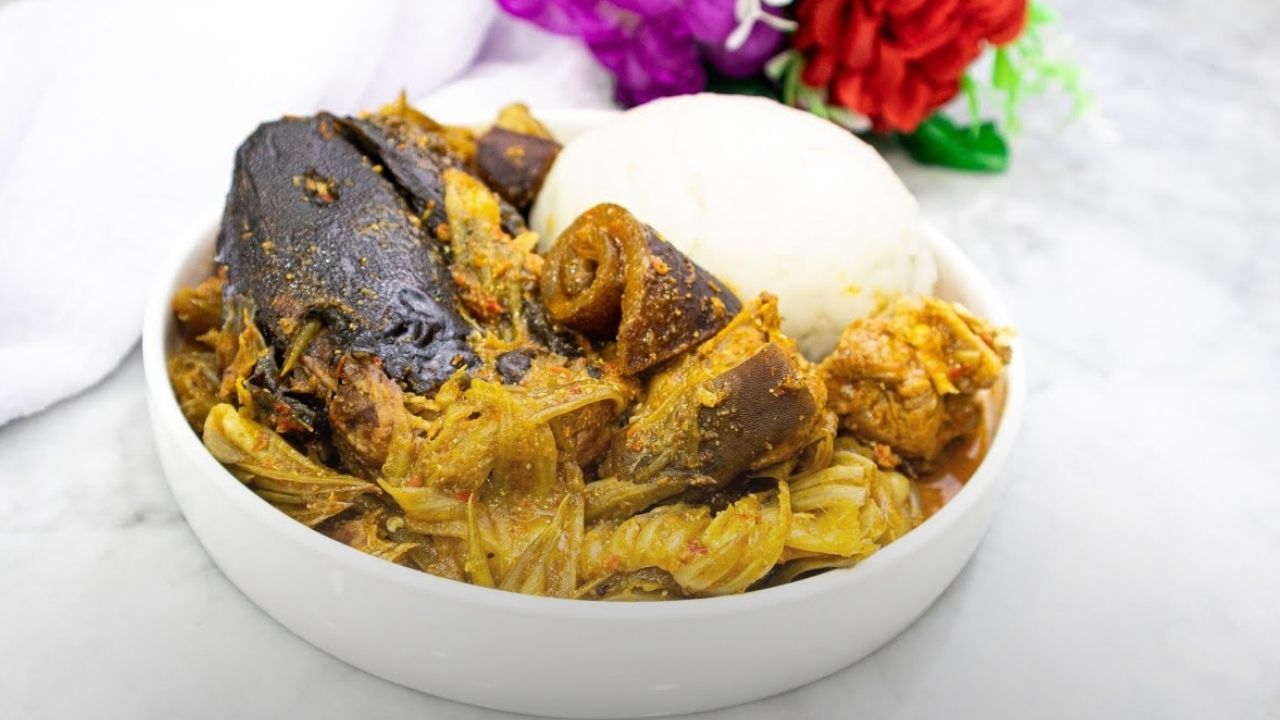
When most Nigerians are asked to list their favourite soups, the majority tend to veer towards egusi, efo riro, afang,and some other major regional soups. Isapa soup rarely makes the list and if it does, just a handful of people make that choice.
Yet in Akoko areas of Ondo State, and across parts of Ekiti, it is a familiar delicacy, usually cooked with egusi and the leaves of the roselle plant, popularly known as white zobo.
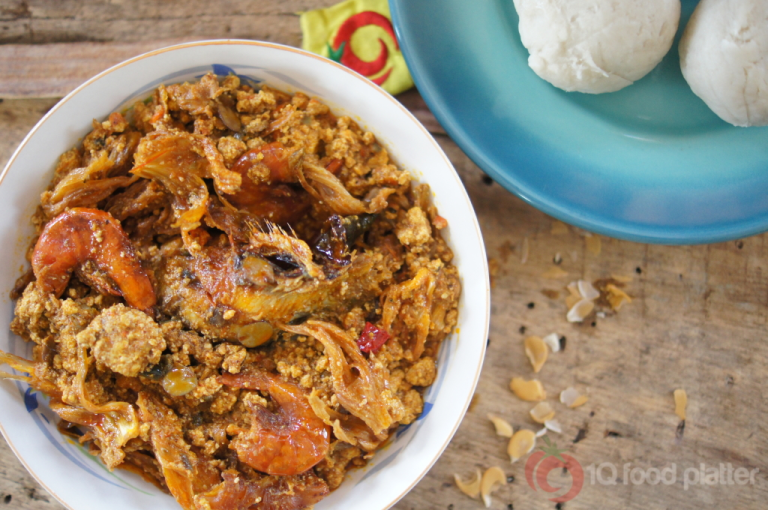
What Is Isapa Soup?
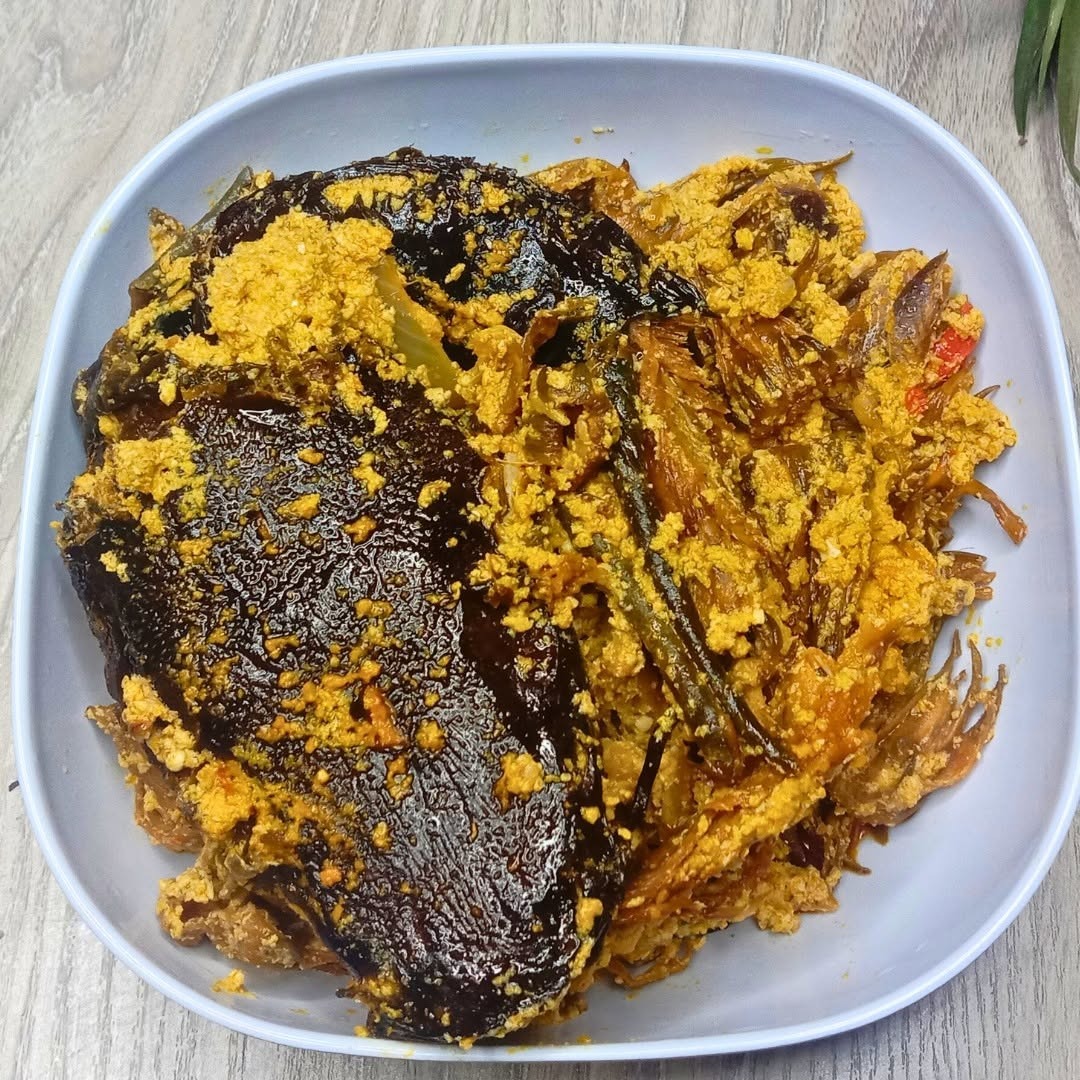
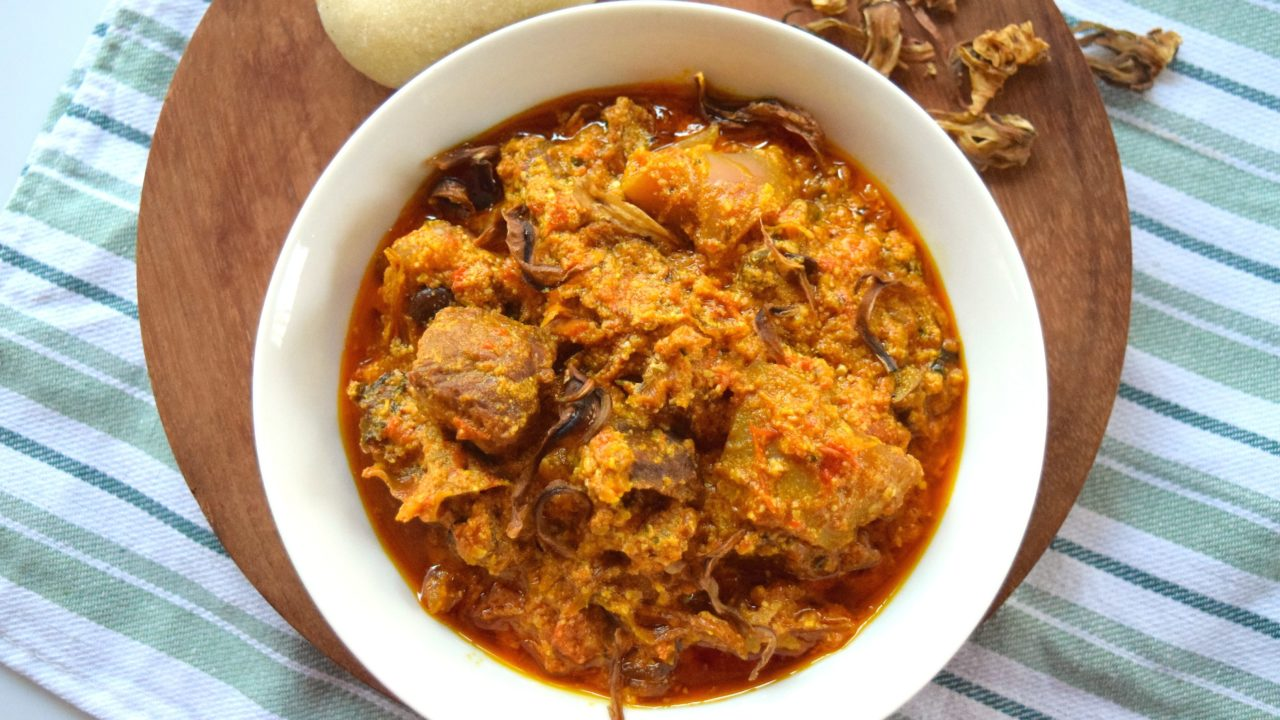
Isapa soup is a traditional Yoruba soup from Akoko in Ondo State and some Ekiti communities. Its two defining ingredients are egusi (melon seeds) and isapa leaves, which come from the roselle plant, Hibiscus sabdariffa. Both fresh and dried leaves are used.
The soup sits somewhere between egusi soup and a leafy vegetable stew. It has the thickness and nutty depth of egusi, with a mild, tangy edge from the leaves. That tang is what sets it apart from the egusi most Nigerians know.
What Are Isapa Leaves?
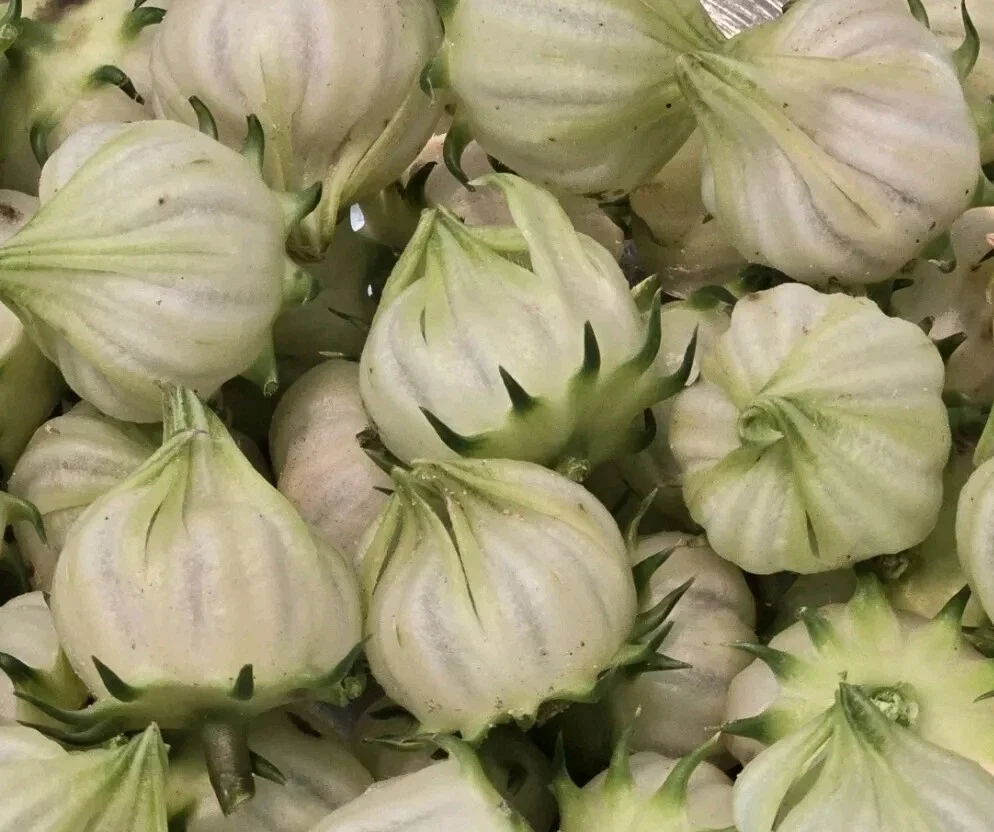
Most Nigerians know roselle through zobo, the ultimate Nigerian healthy drink option. Isapa leaves come from the same plant, but it is the green leaf that goes into the pot, not the red calyx. The variety whose leaves are eaten as a vegetable is often called white zobo.
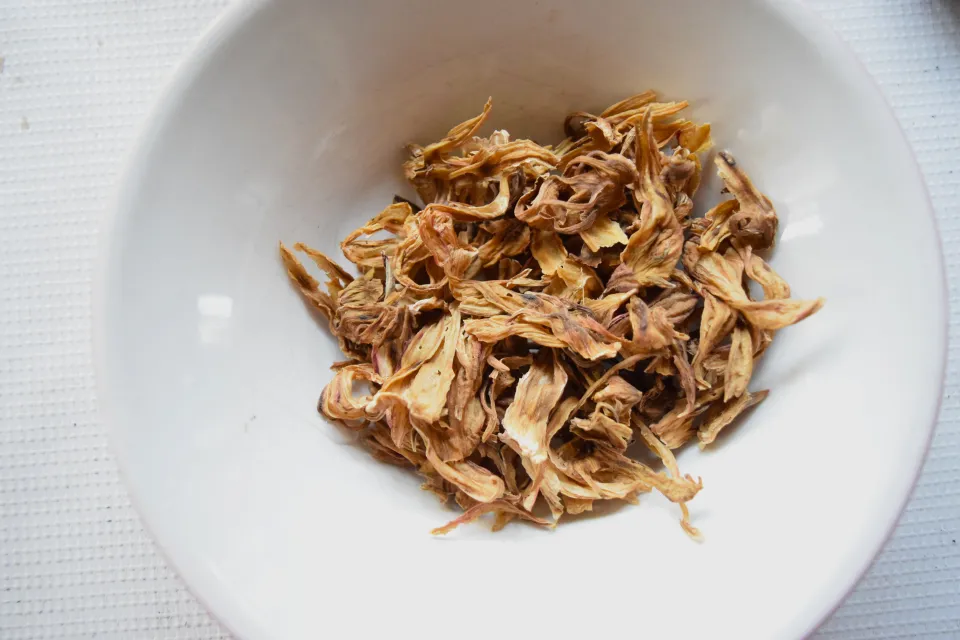
The plant is also called sorrel in English and yakuwa in Hausa. Drying the leaves in the sun keeps them for months, so the soup can be cooked long after harvest.
Origin of Isapa Soup: Where It Comes From
There is no written record on who cooked the first pot of isapa soup, so its history is best traced through its main ingredient.
Roselle is widely believed to be native to West Africa, and isapa is its Yoruba name. Across West Africa, roselle is commonly grown alongside main food crops, which makes its leaves an accessible seasonal vegetable.
The soup is most associated with Ekiti and the Akoko area of Ondo State, and it is also eaten in parts of Kogi.
People sometimes make it with the leaves alone, though egusi is added in most cases, and meat or fish now goes into the pot more often than it once did.
Passed down in family kitchens, it has become a marker of community identity and rural heritage, even though it rarely makes national lists of Nigerian soups.
Health Benefits of Isapa Soup
Because it combines roselle leaves with egusi, isapa soup brings together several useful nutrients in one pot.

Rich in Antioxidants and Vitamin C
Roselle leaves contain vitamin C and plant compounds called polyphenols, which act as antioxidants. These help the body fight oxidative stress and support the immune system. The leaves also supply smaller amounts of vitamin A, iron and calcium.
May Support Healthy Blood Pressure
Roselle has been widely studied for blood pressure, with research pointing to modest benefits mostly from the calyx used in zobo drink. The leaves share some of the same plant compounds, so regular, moderate servings may fit into a heart-friendly diet.
However, it is not a replacement for medication, and anyone on blood pressure drugs should speak to a doctor before eating it often.
Good for Digestion
The leaves provide dietary fibre, and egusi adds more. Fibre keeps digestion moving and helps you feel full for longer.
A Source of Plant Protein and Healthy Fats
Egusi seeds are rich in protein, unsaturated fats, magnesium and zinc. This supports muscle repair, energy and normal immune function. Paired with fish or lean meat, the soup becomes a filling, balanced meal.
Why Isapa Soup Deserves a Place on the Nigerian Table
Nigeria’s food map is much wider than the handful of soups that dominate menus and recipe videos. Isapa soup shows how a local plant, a familiar seed and regional cooking knowledge can produce a dish that is flavourful, nourishing and rooted in place.
If you have never tasted it, make it a point to try it soon, whether at an Akoko or Ekiti home, a local buka, or in your own kitchen with dried isapa leaves. It might become your new favourite pot of soup. It is mine.