Global Tensions Force Epic World Cruise Reroute to Africa

A significant international cruise itinerary has been substantially revised, with Port Louis, Mauritius, unexpectedly emerging as a crucial turnaround destination. This change by German cruise operator Nicko Cruises, in response to evolving geopolitical conditions in the Middle East, is set to significantly increase cruise activity in African waters and underscores how global developments can redirect tourism flows towards the continent.
The modifications affect several segments of the 175-night world voyage aboard the Vasco da Gama, which commenced its journey from Hamburg in early November 2025. The vessel is currently navigating Asian waters, following a segment that began in Indonesia in late February. Originally, this portion of the extended global journey was slated to conclude in Dubai on March 20th, with passengers disembarking in the United Arab Emirates. However, due to revised planning, the ship will now proceed to Port Louis, keeping it within the Indian Ocean region and avoiding the Arabian Gulf.
This development holds meaningful implications for African travel professionals. Mauritius gains an unplanned cruise call from a vessel undertaking one of the industry's most ambitious itineraries. Such diversions effectively demonstrate the capacity of Africa's ports to benefit when circumstances elsewhere necessitate operational adjustments in the global cruise industry.
Beyond the single segment terminating in Mauritius, the subsequent voyage phase has also undergone restructuring. The segment, initially scheduled to depart Dubai and transit the Suez Canal en route to Greece, will now follow an alternative route. Instead of the traditional passage connecting the Red Sea to the Mediterranean, the Vasco da Gama will sail westward from Port Louis. This takes the ship around the African continent, utilizing the historic maritime passage along the southern coast before continuing northward towards European waters. While this alternative routing adds considerable distance to the journey, it successfully avoids areas where operational assessments have prompted increased caution.
An innovative element of the original Dubai-to-Greece segment, particularly relevant to regional tourism development, has been postponed. Passengers were previously scheduled to participate in a land-based program through Saudi Arabia. This involved leaving the vessel in Salalah, Oman, traveling overland with hotel accommodation, and rejoining the ship via a charter flight from Jeddah while the ship transited the Red Sea with crew only. This creative arrangement aimed to offer guests an experience of Saudi Arabian destinations, reflecting a growing interest in combining cruise travel with land-based exploration of Gulf and Arabian Peninsula regions. Its postponement represents a temporary setback for such innovative tourism products.
African travel businesses should carefully observe the broader pattern these changes represent. When traditional routing through Middle Eastern waters becomes uncertain, Africa's extensive coastline presents viable and dependable alternatives. Ports situated along both the eastern and western African seaboards may anticipate increased traffic as cruise operators actively seek reliable itineraries in a dynamic global environment. The Vasco da Gama is expected to reconnect with its original world cruise schedule upon reaching Málaga, Spain, in mid-April 2026. From this point, subsequent segments are projected to proceed according to initial planning, illustrating how temporary diversions can be effectively integrated within larger voyage frameworks.
Passengers currently aboard the Vasco da Gama will receive detailed information concerning the revised routing as final arrangements are confirmed. A subsequent segment originally planned between Greece and Spain may also require modification once the updated approach is fully established. For industry observers across Africa, this situation exemplifies the inherently dynamic nature of international cruise operations. Itineraries spanning many months and multiple continents must maintain sufficient flexibility to accommodate changing circumstances while consistently delivering memorable experiences for guests. The emergence of Mauritius as an alternative turnaround port specifically underscores the island nation's robust cruise infrastructure capabilities. African destinations that proactively invest in modern port facilities and enhanced passenger services are well-positioned to capitalize on unexpected opportunities when global events redirect maritime tourism flows. Travel professionals throughout the continent would benefit from diligently monitoring how such diversions unfold, as they reveal both immediate commercial opportunities and offer longer-term insights into the cruise industry's adaptability in uncertain times.
Recommended Articles
Cabo Verde Airlines Soars Back: Historic Transatlantic Routes to US Revived!

Cabo Verde Airlines is set to resume scheduled passenger services to the United States, with inaugural flights to Rhode ...
Africa's Bold New Vision for Tourism Unveiled at FITUR 2026

African destinations impressed at FITUR 2026 by embracing a business-driven approach, showcasing diversified tourism cen...
AI Revolutionizes Travel: Intelligent Algorithms Now Booking Your Next Adventure

Artificial intelligence is fundamentally reshaping the global travel industry, with a TakeUp survey revealing 78% of AI-...
Global Travel Boost: Nigeria & Turkey Announce Faster Visas & Enhanced Mobility

Nigeria and Turkey are strengthening their bilateral ties, with a renewed focus on enhancing visa facilitation, business...
Emirates Soars: Year-Round A350 Service Connects Dubai and Helsinki, Unleashing Nordic Travel Boom

Emirates is launching a daily Airbus A350 service between Dubai and Helsinki from October 1, 2026, establishing the only...
You may also like...
Are Some Careers Respected Only Because Society Says So?

Who decided which professions deserve admiration? Are some careers admired only because society says so? Social percep...
The CBN Is Quietly Rebuilding Nigeria's Banking System And You Need to Know What Changed

In one week, the CBN overhauled digital banking security, restricted BVN phone number changes to once in a lifetime, and...
SHE100: Asisat Oshoala Dominates African Women’s Football and Inspires a Generation
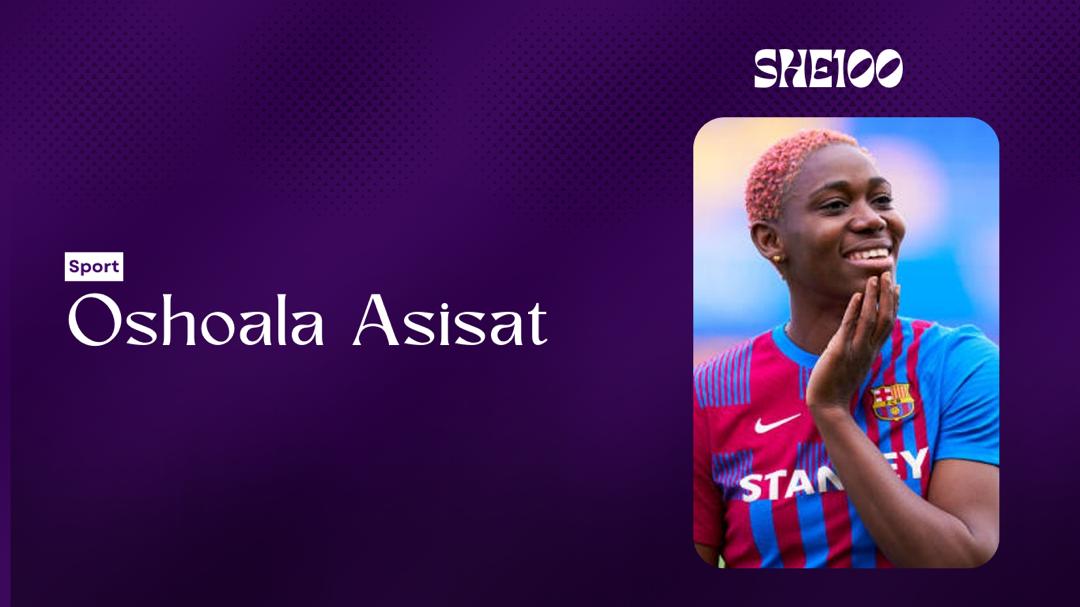
Asisat Oshoala is one of Africa’s most celebrated female footballers. She has won multiple African Women’s Player of the...
OPINION: If You Won’t Risk It, Don’t Call It Anger

Nigerians are often told they are not angry enough about corruption and bad governance. But after #EndSARS and the Lekki...
FIFA Slams NFF, DR Congo with Heavy Fine After Heated World Cup Playoff
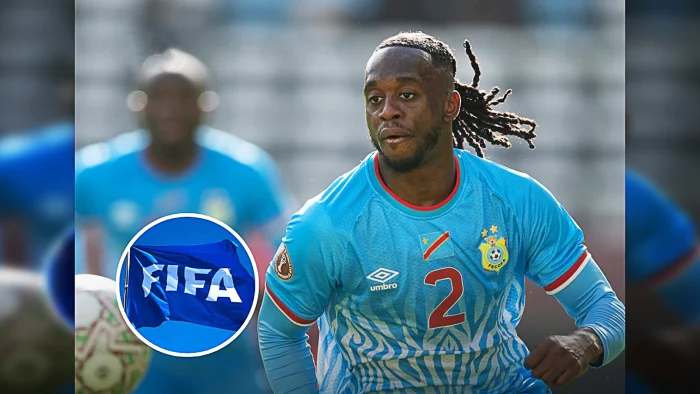
FIFA has levied disciplinary fines against the Nigeria Football Federation and the DR Congo Football Association followi...
Horror History Made! Amy Madigan Shatters Oscar Bias with 'Weapons' Win

Amy Madigan secured a historic Best Supporting Actress win for "Weapons" at the 98th Academy Awards, marking a significa...
Oscar Sweep! 'One Battle After Another' Dominates 2026 Academy Awards with Best Picture, Director & More!
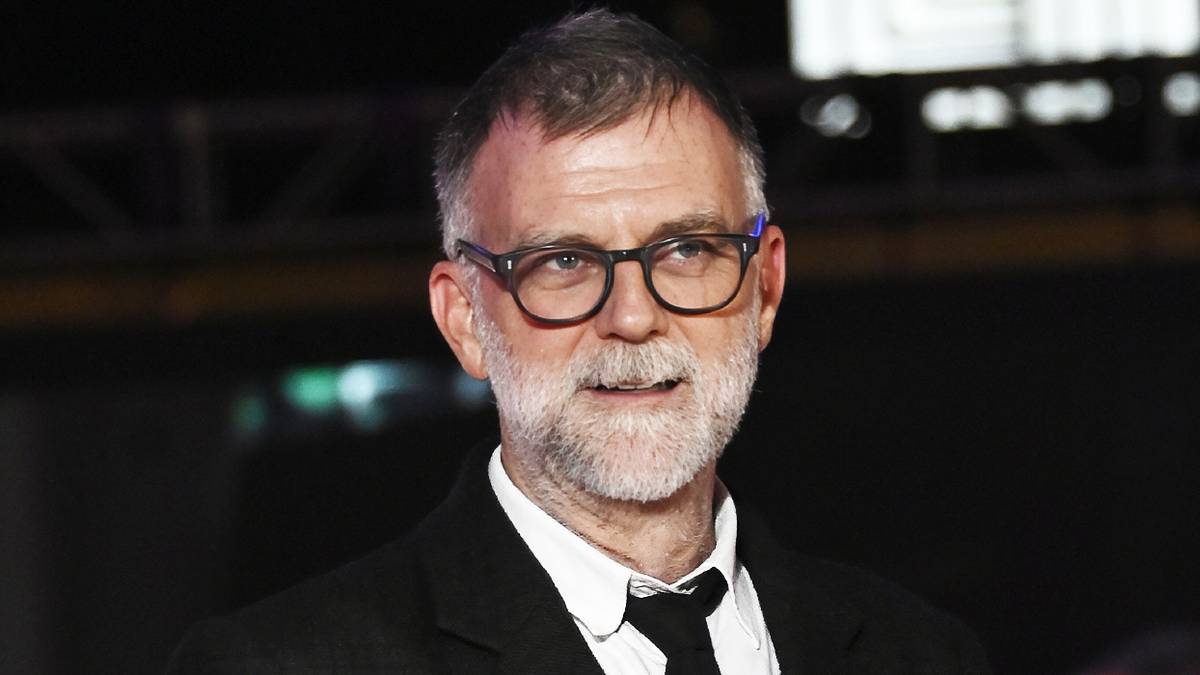
Paul Thomas Anderson's <i>One Battle After Another</i> dominated the 2026 Academy Awards, securing Best Picture, Anderso...
KPop Demon Hunters' 'Golden' Dominates 2026 Oscars: Best Original Song Win & Electrifying Performance

The Indian SUV market is seeing a surge in demand for compact SUVs, with the sub-segment clocking 1.38