Global Crossroads: UN Indigenous Forum Confronts AI Amidst War and Climate Crisis

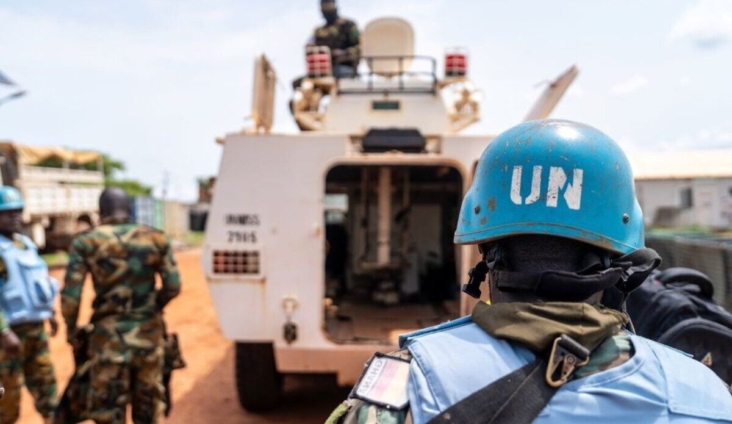
Hundreds of delegates are converging at the United Nations for the world's largest gathering of Indigenous peoples, the United Nations Permanent Forum on Indigenous Issues (UNPFII). This year's forum, themed “Ensuring Indigenous Peoples’ health, including in the context of conflict,” highlights the urgent need for survival amidst escalating global challenges. Indigenous communities face a hostile backdrop characterized by an artificial intelligence (AI) boom driving new extraction on ancestral lands, stringent U.S. visa restrictions disproportionately affecting delegates from the Global South, and the compounded threats of climate change and green energy projects that frequently disregard Indigenous land rights.
Experts stress that Indigenous peoples already contend with significant health inequities stemming from colonialism and climate change. These existing harms are further exacerbated by armed conflicts and militarization, which lead to ecological degradation and forced displacement from traditional territories. The Indigenous understanding of health is holistic, intrinsically linked to the environment, land, and sovereignty, and cannot be reduced to clinical discussions. Geoffrey Roth, a Standing Rock Sioux descendant and former vice chair of the Permanent Forum, emphasizes that human health is inseparable from the health of the environment, culture, and language, arguing that fragmented approaches by the U.N. and state governments fail to address underlying causes.
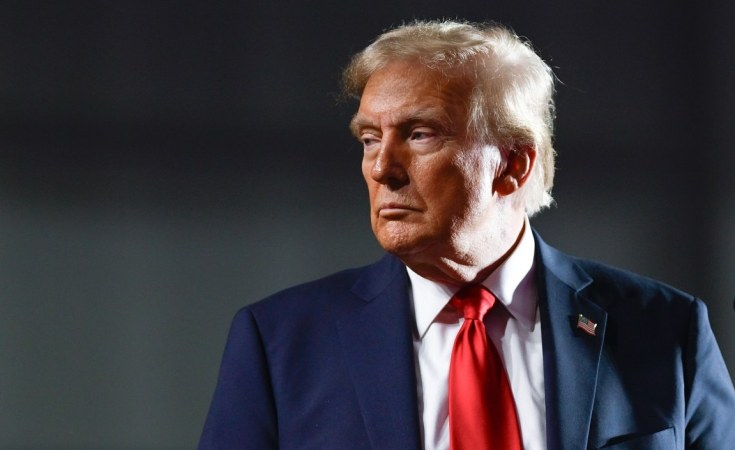
Beyond warfare, advocates are witnessing widespread Indigenous rights violations driven by the extraction of critical minerals necessary for the green energy transition. There is a persistent call for climate financing to be made directly available to Indigenous communities, bypassing state or foreign intermediaries. However, practical barriers like visa restrictions, initially implemented by the Trump Administration, continue to hinder participation. Mariana Kiimi Ortiz Flores of Cultural Survival noted that her organization has faced repeated denials of visa applications for Indigenous representatives from Africa and South America, creating a sense of insecurity for brown-skinned Indigenous peoples and Latin individuals due to a broader climate of hate speech.
The disillusionment with the U.N. system is growing, with some delegates feeling that the forum's purpose has been undermined by state power. The struggle to defend land against extractive industries takes a severe toll, not only physically but also mentally and spiritually, as highlighted by Flores and Roth. Roth's report outlines Indigenous determinants of health, emphasizing that land tenure, governance authority, and cultural practices strengthen well-being, while dispossession and exclusion from decision-making are major risk indicators. He cites examples where biodiversity policies ignoring Indigenous rights miss opportunities for ecosystem restoration and improved food access, and mental health interventions overlooking language erasure fail to leverage language revitalization for well-being.
The Coquille Indian Tribe in Oregon has embraced these Indigenous determinants of health, integrating them across their agencies, recognizing activities like elder fishing trips as vital for cultural continuity and mental well-being. Roth also advocates for the recognition of Indigenous midwifery, often banned in favor of Western practices, which forces Indigenous women into conventional institutions where they encounter racism and obstetric violence. Indigenous peoples have thousands of years of traditional knowledge in midwifery, environmental care, and food system preservation that must be valued.
Artificial intelligence presents a double-edged sword for Indigenous communities. Hindou Oumarou Ibrahim, former Permanent Forum chair, warns of
You may also like...
Warriors rocked: Draymond Green predicts Steve Kerr's shock exit amid summer uncertainty

The Golden State Warriors concluded a tumultuous 2025 season, marked by Stephen Curry's injury struggles and an early pl...
2026 NBA Draft Order Crystallizes: Picks and Ties Broken
With the 2026 NBA playoffs ongoing, lottery-bound teams are gearing up for the May 10 draft lottery, which will determin...
From Game to Giant Screen: Alex Garland's 'Elden Ring' Movie Reveals All-Star Cast, Epic 2028 IMAX Date!

Alex Garland's live-action "Elden Ring" movie is slated for a March 3, 2028 IMAX release, featuring a star-studded cast ...
Witches Unite! 'Practical Magic 2' Trailer Drops, Reuniting Bullock & Kidman for Magical Sequel

Nicole Kidman and Sandra Bullock return as the Owens sisters in "Practical Magic 2," set to enchant audiences on Septemb...
Madonna Rages! Vintage Costumes Stolen After Coachella, Declares 'Part of My History'

Pop icon Madonna's surprise Coachella performance with Sabrina Carpenter was a triumphant return, but it was overshadowe...
Fela Kuti's Legacy Secured! Family Confirms Iconic Music Catalogue Not For Sale

Grammy-nominated Femi Kuti has clarified that the musical works of his late father, Afrobeat pioneer Fela Anikulapo-Kuti...
Exclusive: Bong Joon Ho's Next Seven Live-Action Visions Revealed
Oscar-winning filmmaker Bong Joon Ho shares comprehensive updates on his animated feature "Ally," a 3D ocean adventure a...
The Shifting Sands of AI: One Revelation Leads to Another

A specific sentence construction, "It’s not just this — it’s that," has dramatically increased in corporate communicatio...