Ghana's Z-9 Helicopter Crash Report Sparks Heated Political Debates, Demands for Accountability
Ghana's institutions face intense scrutiny following critical incidents, including a military helicopter crash where systemic failures and lack of transparency are being questioned. Parliament is embroiled in debates over judicial vetting and the ambitious 2026 budget, while a tragic recruitment stampede highlights the human cost of institutional shortcomings.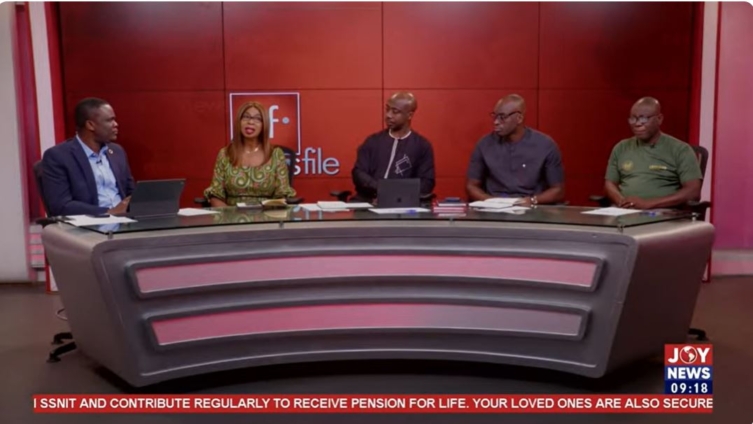
Ghanaian institutions are currently undergoing a significant period of introspection and accountability, as critical incidents across various sectors highlight systemic failures and demand urgent answers. The weekly program Newsfile has brought to the forefront several stories that underscore this national reckoning, from air safety concerns and judicial controversies to fiscal challenges and tragic recruitment exercises.
A major focus has been the investigation into the August 6 crash of the Z-9 military helicopter, a dark day for Ghana's defence aviation. The official verdict attributed the crash to a sudden loss of altitude and lift, triggered by a downdraft over treacherous terrain, unequivocally ruling out pilot error. However, the report also exposed severe systemic fleet weaknesses, including the absence of essential terrain-awareness systems, inadequate weather briefings, and the continued use of ageing equipment. This has led Parliament’s Minority caucus to demand full public disclosure of the findings, asserting that national security cannot be compromised by incomplete transparency.
Adding to the criticism of the Z-9 helicopter crash report, Yaw Appiah Lartey, a lawyer and Partner at Deloitte Africa and Africa Infrastructure and Capital Projects Leader, voiced strong concerns about the aircraft being allowed to take off despite being overdue for servicing. He revealed that the helicopter was due for routine maintenance in May 2020, which was never completed, and an extension was unsafely requested for August. Mr. Lartey emphasized that in aviation, servicing should be carried out on time, akin to car maintenance, to avoid putting lives at risk. He asserted that proper maintenance and strict adherence to safety protocols are crucial to prevent such tragedies, suggesting the incident could have been avoided had these measures been in place. Furthermore, he questioned the pilot's discretion to fly under challenging conditions, citing examples where pilots abort flights due to hazards like adverse weather, reinforcing that lives should always take precedence over official engagements.
Dr. Mahama Tiah Abdul-Kabiru, Walewale MP and Member of the Finance Committee of Parliament, also critically assessed the military helicopter crash report, arguing it failed to address fundamental questions. Speaking on JoyNews’ Newsfile on November 15, he highlighted the report’s deficiency in explaining the pilots’ psychological state and the precise cause of the sudden loss of altitude, questioning whether it was a mechanical fault or human error. Dr. Abdul-Kabiru dismissed the report as laden with "technical jargon" that does not resonate with the concerns of ordinary Ghanaians. He further expressed alarm over the omission of details regarding cockpit communications and any reference to the contents of the aircraft's retrieved black box, which he believes would contain crucial information about the pilots' experiences. He insisted that the victims' families and the public deserve clearer, more comprehensive, and transparent answers rather than vague technical summaries.
Beyond aviation, the nation is grappling with judicial integrity. The vetting of Justice Paul Baffoe-Bonnie for the position of Chief Justice became a flashpoint in Parliament. While the Appointments Committee deemed him competent, the Minority caucus staged a walkout. Their contention was that key legal cases involving the outgoing Chief Justice warranted a pause in the vetting process, rather than a fast-track. This incident raised questions about whether the move was a genuine defence of judicial integrity or a politically motivated manoeuvre disguised as due process.
On the economic front, the impending 2026 budget plan presents a picture of high ambition coupled with thin margins. With projected expenditures exceeding GH¢300 billion, growth targets set north of 4.5 percent, and promises of sweeping fiscal reforms, experts remain cautious. They warn that a significant gap might exist between these bold numerical targets and their actual delivery, raising concerns about whether this budget will truly be the reset Ghana needs or merely another exercise in unfulfilled hopes.
The human toll of institutional failures was tragically evident at the El-Wak Sports Stadium in Accra during a recruitment exercise for the Ghana Armed Forces (GAF). A stampede resulted in the deaths of six job applicants, with many more sustaining injuries. In response, the military promptly suspended the Greater Accra exercise, and senior officers involved have stepped aside. This devastating incident resonates deeply, serving as a stark reflection of the acute urgency felt by the youth seeking opportunities, profound institutional shortcomings, and the inherent national security risks when such critical processes are poorly managed.