Ghana Lifts Boxing Ban: A Knockout Comeback for the Nation’s Fighting Spirit
Ghana has lifted its nationwide boxing ban after major reforms, reigniting the nation’s boxing heritage and opening doors to international events, youth development, and potential appearances by stars like Anthony Joshua.
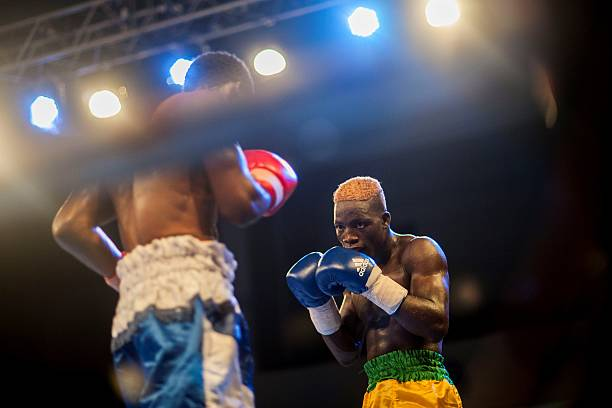
The Bell Rings Again for Ghanaian Boxing
Ghana once ruled the boxing world. Azumah Nelson, Ike Quartey, and Joshua Clottey are some of the legends who made Accra a place of hard-hitting talent and dreams come true. Every punch from a Ghanaian fighter carried the weight of a continent. But all that faded. The government slapped a nationwide ban on professional boxing, trying to fix problems with dodgy rules, safety messes, and corruption. The gyms went quiet. Ghana’s fighting spirit felt like it was packed up and shelved.
Not anymore. The silence just broke. The Ghana Boxing Authority lifted the ban, and suddenly, hope’s back on its feet. The Ministry of Youth and Sports rolled out new reforms, and now Ghana’s rebuilding its boxing world from the ground up. This time, it’s going to be stronger, safer, and a whole lot more honest.
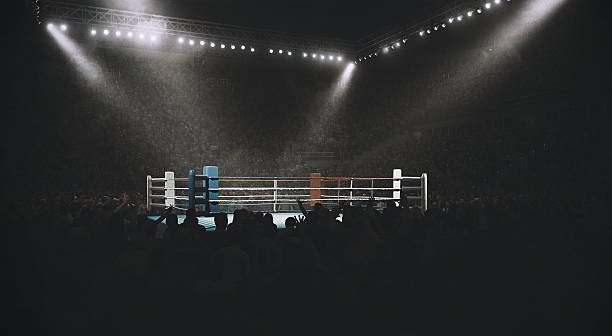
What’s changing? For starters, fighters need proper licenses. Medical checks are non-negotiable. The GBA is teaming up with global bigwigs like the World Boxing Council to make sure everything’s up to scratch. These moves aren’t just about rules, they’re about trust. They throw open the door for international matches and let the world know Ghana means business again.
Walk through Bukom, the heart and soul of Ghanaian boxing, and you can feel the excitement everywhere. Gyms that sat locked for years are buzzing. Trainers dust off old routines. Young fighters—some who’ve never seen a real pro match—finally get their shot.“This is not just about boxing,” says veteran trainer Nii Lante Bannerman. “It’s about bringing back a part of who we are.”
People outside Ghana are paying attention too. There’s talk of an exhibition match with Anthony Joshua, a fighter whose roots run deep in both Nigeria and Ghana. That would be huge. With these new reforms, Ghana isn’t just stepping back into the ring. It’s ready to take charge again.
Reforms, Rules, and Rebuilding Trust
Lifting the ban took time. The GBA didn’t just flip a switch and move on, it spent months looking hard at itself, negotiating, and making real changes. People had hammered the Authority for years about favoritism and all sorts of red tape, so they basically tore up their old management system and built something new. For the first time, fighters can register and events get tracked through a digital database.
The new rules go way deeper than that. Boxers get mandatory health insurance now. Promoters have to use proper, regulated contracts. There’s anti-doping enforcement, too. Every single match has to meet safety standards that line up with international boxing codes. Coaching and refereeing? Both are under the watchful eye of national and continental associations, who’ll keep track of certifications. The goal isn’t just to keep fighters safe, it’s about making sure people see Ghana as legit on the world boxing stage.
Sports Minister Mustapha Ussif didn’t mince words: these reforms put Ghana on the map as the boxing capital of West Africa. That’s already starting to show. Bukom Boxing Arena in Accra just got a facelift so it can hold big regional tournaments, and there’s real money flowing into community sports programs in places that need it most.
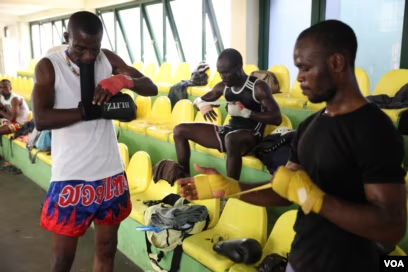
Maybe the biggest game-changer is the National Boxing Talent Program. The government’s targeting young fighters from poorer neighborhoods, giving them pro-level coaching, nutrition plans, and even academic scholarships. For a lot of Ghanaians, boxing isn’t just a game, it’s a way out, a path to something better.
Still, not everyone’s convinced. Critics point out that Ghana’s tried this before, big promises, but the follow-through fell apart thanks to shaky enforcement or politics getting in the way. The tough part now is actually sticking to these policies, not just talking about them. Former champ Joshua Clottey sums it up: “It’s one thing to announce change, and another to protect it.”
Still, a cautious hope can be felt across the country. Ghanaian boxing, once on the ropes, has another shot at a real comeback, and this time, people believe it could last.
Global Ambitions and the Road Ahead
When Ghana lifted the boxing ban, it didn’t just win a national fight, it opened the door for something bigger across Africa. Suddenly, Ghana looks like the next big place for African boxing. Fighters, promoters, die-hard fans, they’re all eyeing Accra. People are already talking with big names in the UK and US about hosting an “Africa Fight Night.” Picture it: Anthony Joshua or Efe Ajagba stepping into Accra’s upgraded arena under the bright lights. That’s not just hype. That's a real movement.
For boxers here, this is personal. It's not just a new law but a second chance. You can feel it in the gyms. John Laryea, Holy Dorgbetor, Michael Tagoe—they’re back at it, pushing hard, chasing that dream of putting Ghana back on the world map. Walk into any gym in Bukom, Tema, or Kumasi, and you’ll hear it: gloves cracking, trainers shouting, that old energy flooding in again.
But there’s more. Boxing isn’t just about the ring. This shift brings real jobs, more tourists, and a shot at serious media attention. When international fights come to town, they pull in fans and investors from all over Africa and even the diaspora. Local streaming services and broadcasters are ready to battle for streaming rights. Ghanaian sports entertainment is stepping into the digital age, fast.
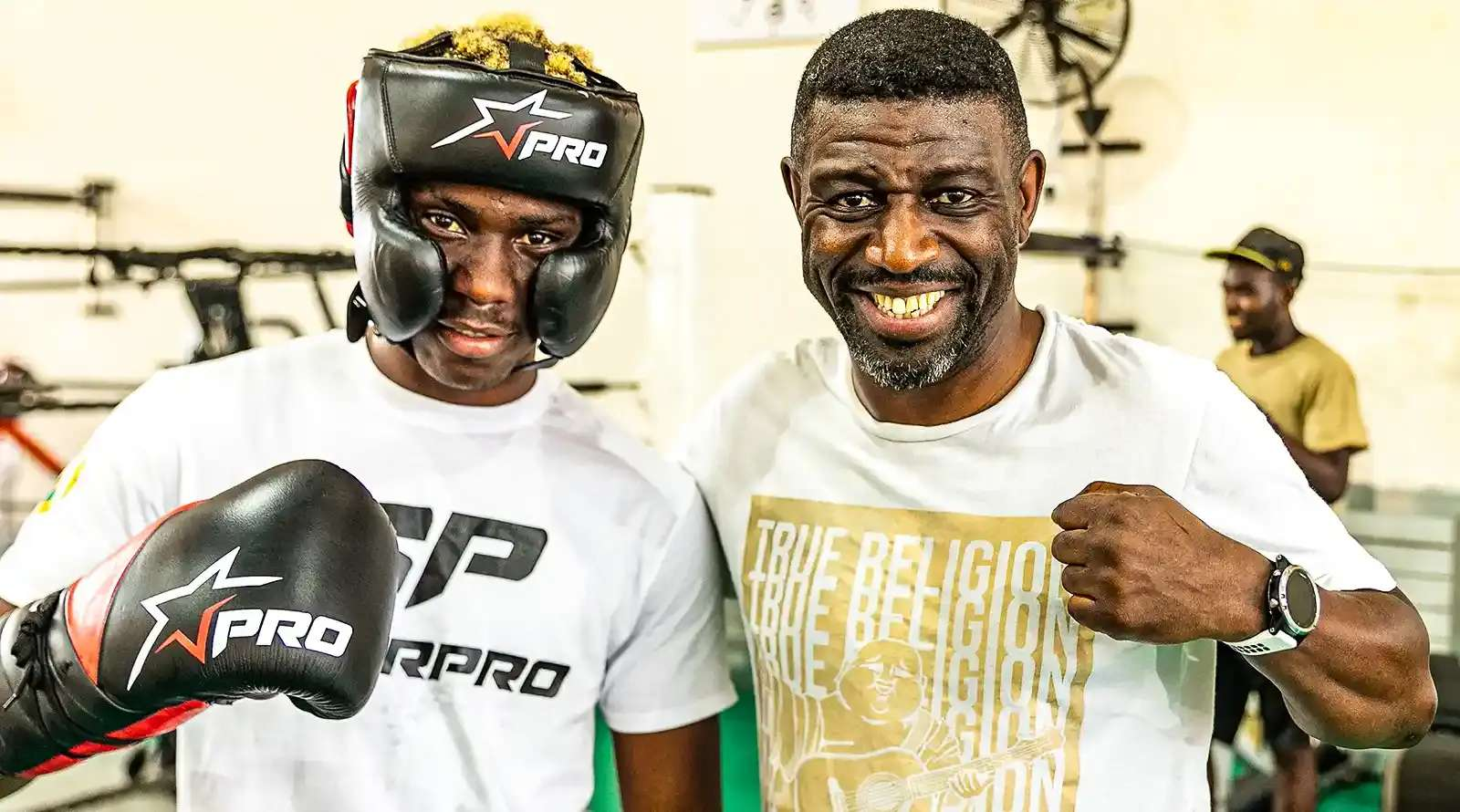
And honestly, the impact runs deep. In Ghana, it is more than just a sport; it means you can take a hit and get knocked down, yet stand up again. Every match is a little story about grit and hope. That’s just who we are. As Ghana gears up for a big comeback, this new chapter in boxing feels like a mirror for the country itself, young, driven, refusing to quit.
There’s also a growing interest among filmmakers and documentary producers to tell the untold stories of Ghana’s boxing neighborhoods. Projects currently in production aim to capture how boxing gyms double as sanctuaries for discipline and mentorship, offering young people an alternative path to street life.

The bell’s ringing again in Bukom and all across the country. And let’s be clear: Ghana’s boxing story? It’s nowhere near finished. This is just the start of the next round.