Genesis GV90 Brings Coach Doors and Ultra-Luxury to Its 2028 Electric SUV
Genesis introduces its 2028 GV90, a new luxury EV SUV designed to redefine the high-end market with concept-car features. Highlights include available pillarless coach doors on the Neolun model, innovative rotating seats, and advanced Pleos Connect infotainment technology. This flagship vehicle combines 657-hp performance with unparalleled interior lavishness.
Genesis has unveiled the 2028 GV90, its new flagship electric SUV, taking the brand into a higher tier of luxury with a 657-horsepower powertrain, a claimed range of up to 310 miles and an especially extravagant Neolun version with coach doors.
The GV90 is Genesis' largest and most powerful SUV yet. It uses a 123.5-kWh battery and dual electric motors, while a 350-kW DC fast charger can take the battery from 10% to 80% in a claimed 22 minutes.
The Neolun turns the GV90 into a luxury lounge
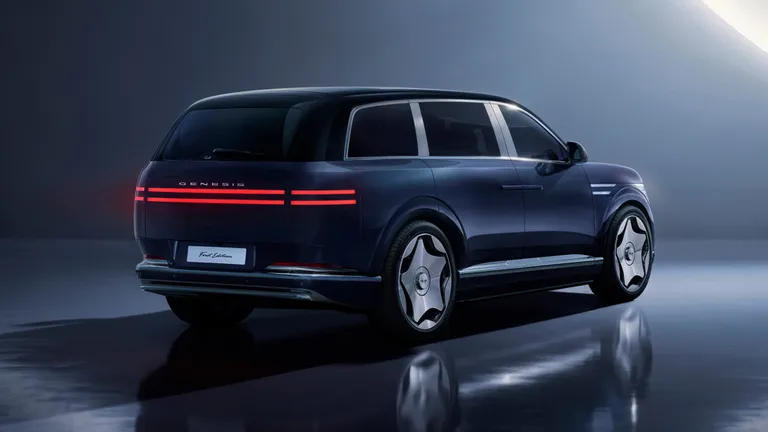
The biggest visual difference comes with the GV90 Neolun, which introduces Genesis' Neolun Arch Gate doors. The rear doors open in the opposite direction from conventional doors, while a hidden B-pillar creates a wide opening when the doors are opened together.
Genesis says the system uses independently opening and closing coach doors, supported by structural engineering designed to maintain rigidity and occupant protection. The Neolun also gets a more elaborate cabin than the standard GV90, including available 180-degree swivelling front seats that allow passengers to face one another when the vehicle is parked.
The Neolun First Edition takes the concept further with a four-seat configuration, a partition behind the second row, a private refrigerator and genuine wood flooring with radiant heating. The regular GV90 Neolun can accommodate six passengers across three rows.
The standard GV90 is less theatrical but still offers three rows, with six- or seven-seat configurations and conventional doors. Genesis is also offering features such as massage seats, second-row captain's chairs and a multi-chamber air suspension.
A giant screen and a new digital system
Inside, the GV90 combines traditional luxury materials with a technology-heavy cabin.
A 23.6-inch OLED Cinematic Display serves as the main screen while driving. When the vehicle is parked, it can rise to create a 24.6-inch display for entertainment. A 25-inch head-up display keeps driving information in the driver's field of view.
The SUV also introduces Pleos Connect, Hyundai Motor Group's new software platform. Genesis has paired the system with an app-based interface and other connected functions, while the cabin can be equipped with a 25-speaker Bang & Olufsen sound system with Dolby Atmos.
The luxury treatment continues with materials including Nappa leather, wood and fine textiles. The Neolun's lounge-style cabin is designed around passenger comfort rather than simply adding technology for its own sake.
Performance matches the luxury
Every GV90 uses a dual-motor all-wheel-drive system producing 657 horsepower. Its 123.5-kWh battery gives Genesis a claimed 310-mile driving range, while the vehicle also gets air suspension and rear-wheel steering.
That combination places the GV90 among the most ambitious electric luxury SUVs entering the market. Genesis is clearly positioning the model above its existing SUV range, with the Neolun in particular aimed at buyers who want the space and technology of an electric SUV without giving up the traditional trappings of high-end luxury.
Genesis has not yet released full pricing for every GV90 configuration. The company says the model is arriving in early 2027, although it carries the 2028 model designation in its U.S. presentation.
With the GV90, Genesis is no longer simply adding another electric SUV to its lineup. It is using its flagship model to test how far the brand can push luxury, technology and design in an electric vehicle.