Gene Editing in Africa: Real Hope, Hype, and Regulation Challenges
Africa stands at a crossroads. Powerful new science called gene editing could change how the continent fights disease, grows food, and improves lives but the path ahead is filled with both real promise and serious challenges.
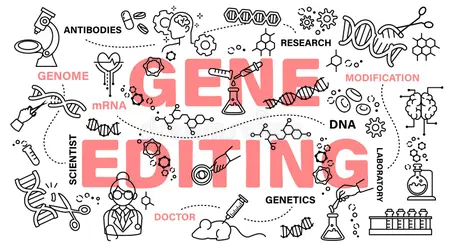
At its heart is a technology known as CRISPR‑Cas9, often described as molecular scissors that can cut and rewrite DNA, the code that makes every living thing work. For scientists, this gives a rare chance to fix the root cause of problems rather than just treat symptoms. But the excitement also raises practical, ethical, and legal questions that no country wants to ignore.
What Is Gene Editing — Simply Put?
Imagine DNA as a long string of instructions. Most diseases and traits come from tiny typos in those instructions. Gene editing lets scientists go into that string and make precise changes, like fixing a typo in a sentence. This isn’t science fiction anymore; it’s happening in labs around the world.
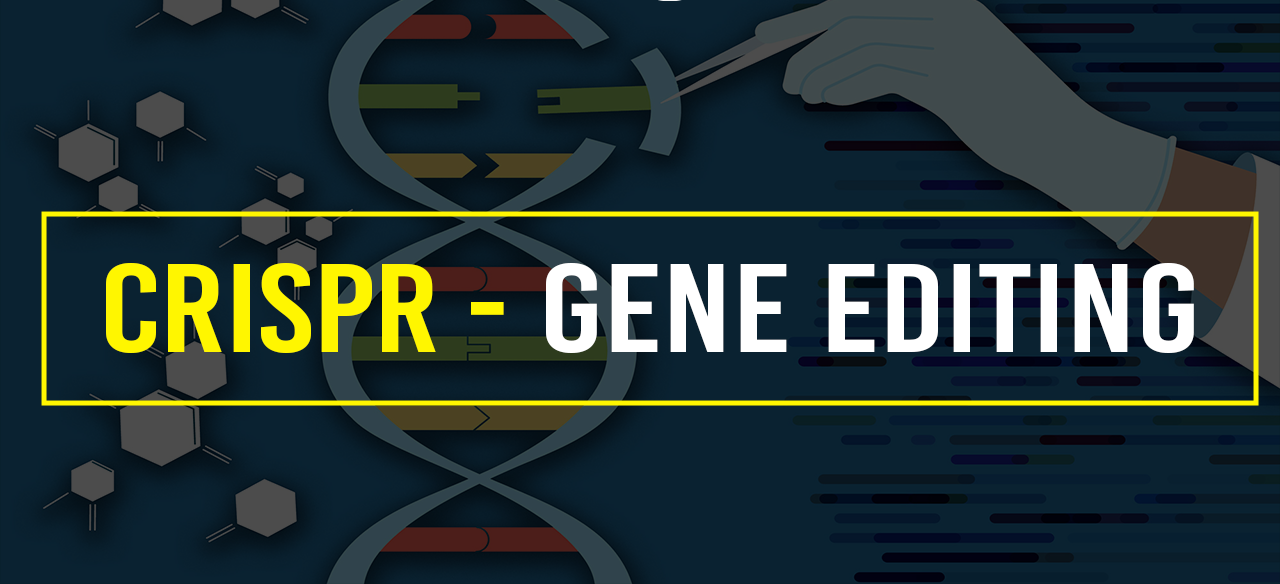
The most common tool is called CRISPR‑Cas9. It’s fast, relatively cheap, and powerful, meaning it could work in ways older genetic technologies never could. It can be used to:
Correct disease‑causing mutations in humans
Make crop plants stronger and more nutritious
Reduce the ability of insects to carry deadly diseases
For countries wrestling with health and food crises, those possibilities are huge.
Hope: What Gene Editing Could Do in Africa
1. Fighting Genetic Diseases
One of the most talked‑about areas is genetic disease. Conditions like sickle cell anaemia are caused by a single altered gene and are very common in places like Nigeria and West Africa. Recent scientific reviews show that CRISPR‑based techniques can potentially correct these errors at their source. This could go far beyond symptom management and toward real cures.
Unlike older treatments, which sometimes require donor matches or lifelong medication, CRISPR treatments aim to fix the actual broken part of a patient’s DNA. Research is still early, and costs remain high worldwide, but the direction of science is clear: this approach could revolutionise how diseases like sickle cell are treated.
2. Boosting Agriculture and Food Security
Africa’s farmers face severe challenges like drought, pests, disease, and climate change. Gene editing offers tools to strengthen crops against these threats.
Projects backed by universities, research agencies, and alliances like AUDA‑NEPAD emphasise that genome edited crops could produce more food, with less loss, and help smallholder
Hype: Why the Buzz Isn’t Always Reality
Not all that glitters is gold. The excitement around gene editing sometimes slips into hype, meaning exaggerated promises or expectations that are ahead of real science.
This is what that looks like:

Many news stories or social media posts suggest gene editing will instantly cure diseases or transform farming overnight. In truth, even the best candidates for editing, like sickle cell, still require years of careful clinical trials and safety studies. Some approved gene therapies exist outside Africa, but they are extremely expensive and still new.
Expecting immediate results, especially in countries with limited labs and trained personnel is unrealistic. Good science takes patience, funding, and oversight.
Genetic editing, including CRISPR, is precise but not perfect. It sometimes makes unintended changes like cutting the DNA in the wrong place. That’s why safety checks are essential before anything is used in people or released into the environment.
The technical challenges don’t mean the science isn’t useful, just that it must be treated with caution. Scientists and regulators worldwide are still learning more about how to make editing safer and more predictable.
Regulation Challenges: The Big Hurdle
Even where science is promising, laws and rules are catching up slowly. Africa’s regulatory systems were built for older technologies, and many don’t yet clearly cover gene editing.
In Nigeria, for example, the National Biosafety Management Agency (NBMA) Act was amended in 2019 to include genome editing but gaps still exist in how human applications are handled versus agricultural ones.
Across the continent, countries are taking different approaches:
Nigeria and Kenya have started publishing guidelines on gene editing. (Genetic Literacy Project)
Malawi and Ghana have regulatory frameworks in place but still need more capacity. (Genetic Literacy Project)
In some cases, laws are unclear on whether edited crops should be treated like GMOs, which traditionally faced heavy restrictions.
This patchwork of rules makes it hard for scientists and businesses to operate with confidence, and it means fear and misunderstanding can fill the gaps. Without clear laws, research can be slowed, and public trust can erode.
Ethical Questions
Gene editing isn’t just a technical issue, it’s also a human one. Altering DNA in crops is one thing; altering DNA in people raises fundamental questions. Some regulatory bodies worldwide are debating whether heritable gene editing changes that would pass from parent to child, should be allowed. In South Africa, proposed guidelines once sparked controversy when they appeared to open the door to editing human embryos. After public debate, authorities stepped back and called for broader consultation.
These kinds of ethical debates matter because they influence how society chooses to use the technology. Many scientists argue for rules that permit research while protecting people from harm.
The choice isn’t between science and safety. It’s about doing both well.
Gene editing isn’t a miracle pill or a magic wand. But if Africa approaches it with open eyes, solid rules, and careful science, it could unlock solutions that once seemed out of reach, from ending genetic diseases to feeding millions more people. This time, hope doesn’t have to be vague. It can be grounded in real research, real rules, and real benefits for real people.