Gaming Giant Xbox Shakes Up Industry: Layoffs Continue, Halo Development Shifts to Activision
Xbox has announced further layoffs, affecting 268 workers, as part of a larger strategic reorganization impacting 3,200 positions across its gaming division. This overhaul includes significant changes for prominent studios like Ninja Theory, Double Fine, and Undead Labs, alongside other key realignments within Microsoft's extensive gaming portfolio.
Xbox has cut another 268 jobs as Microsoft pushes deeper into a restructuring of its gaming business, with some of its biggest franchises now moving between studios.
The latest changes were announced by Xbox chief content officer Matt Booty on September 22. They include putting the next Halo game under Activision, moving Obsidian under Bethesda, bringing Playground and Turn 10 together, and beginning consultation on the possible closure of Ninja Theory.
The cuts are part of a larger plan to eliminate 3,200 Xbox jobs during the current restructuring. Microsoft says the changes announced so far put the process roughly three-quarters of the way toward completion.
Halo is moving to Activision
The biggest change may be the one involving Halo.
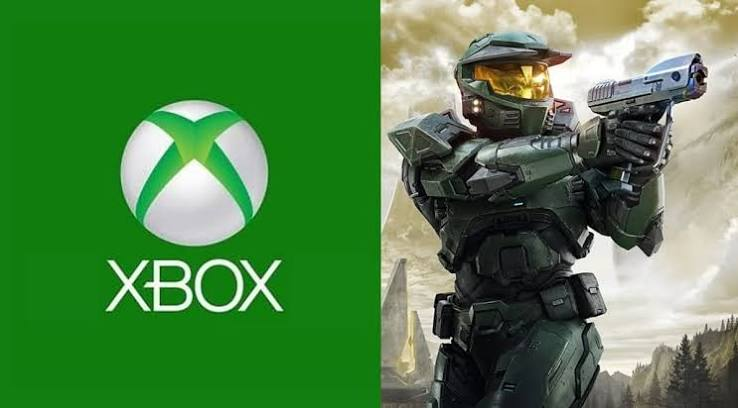
Activision will develop the next Halo title through a new team created specifically for the project. It will operate separately from the team working on Call of Duty.
Halo Studios itself is not being shut down. A smaller team will remain responsible for supporting existing Halo games and the player community.
The move changes the franchise's internal home again. Halo was originally developed by Bungie before Microsoft created 343 Industries to continue the series. 343 was later renamed Halo Studios.
Now the next major game will be made elsewhere within Microsoft's gaming empire.
Ninja Theory faces a different future
Ninja Theory, the Cambridge studio behind Hellblade: Senua's Sacrifice, is in a more uncertain position.
Microsoft had previously been looking for a buyer for the studio. Two potential deals have now fallen through, according to Booty's memo.
Xbox has therefore begun consultation with employees over a proposed closure, while still looking at other options.
That means the studio has not yet been formally shut down.
Other studios have already moved out of Microsoft's direct ownership. Double Fine and Compulsion returned to their management in August, while Undead Labs has now followed a similar path. Its next game, State of Decay 3, will still launch day one on Game Pass under a new publisher.
Xbox is putting more studios under fewer groups
The restructuring is also changing how Microsoft's remaining studios are organised.
Latest Tech News
Decode Africa's Digital Transformation
From Startups to Fintech Hubs - We Cover It All.
Bethesda will take over oversight of Obsidian, which will continue working on projects including Grounded and a new Fallout project being developed with Bethesda Game Studios.
King, the company behind Candy Crush, will take responsibility for Microsoft's casual games business, including Solitaire and Minesweeper.
Meanwhile, Playground Games and Turn 10 will become one studio focused on the Forza and Fable franchises.
The pattern is clear: Microsoft is reducing the number of separate business units and putting related franchises and teams under larger groups.
The cuts are still not finished
The 268 latest job losses come after 1,600 Xbox positions were cut in July, when Microsoft announced its broader restructuring.

That leaves the gaming division with more changes still to come.
Xbox says its reset is intended to make the business smaller and more focused, while concentrating resources around major franchises and fewer operating units.
For employees, however, the restructuring has already meant job losses, studios leaving Microsoft's ownership and major franchises changing hands.
For players, the immediate question is what those changes produce.
The next Halo game will now have a new development team. Ninja Theory's future remains unresolved. And across Xbox, several studios that once operated separately are being folded into a smaller structure.
Microsoft says the aim is to strengthen its games business. The results will ultimately show in the games themselves.