Future is Here: The Revolutionary 2027 Volvo EX60 Redefines Electric Mobility
The 2027 Volvo EX60 electric luxury SUV is a crucial model for Volvo's future, aiming for a 400-mile range and slotting between the EX30 and EX90. It features innovative aerodynamic design, a luxurious interior, and advanced sound isolation, positioning it against competitors like the Tesla Model Y, BMW iX3, and Mercedes-Benz GLC with EQ Technology. Its success hinges on converting existing XC60 buyers to electric, despite facing stiff market competition.
The 2027 Volvo EX60 is poised to be one of the most pivotal vehicles in the Swedish automaker's century-long history, carrying immense weight for the brand's future. Positioned as an all-electric midsize luxury SUV, it aims to replicate the success of the gas-powered XC60, Volvo's global bestseller in 2025.
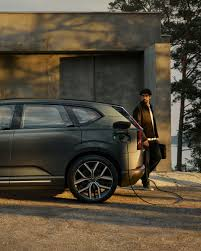
However, the EX60 faces significant headwinds, including stiff competition from electric rivals like BMW and Mercedes, the enduring appeal of more affordable internal combustion models, and the recent tech issues that marred the launch of Volvo's flagship EX90 EV.
Volvo's strategic gamble on rapid electrification depends heavily on the EX60's ability to win over buyers.
Fitting neatly into Volvo's burgeoning electric lineup, the EX60 bridges the gap between the compact EX30, which starts below $45,000, and the larger, three-row EX90, priced above $80,000.
With an estimated starting price of around $60,000 for its all-wheel-drive configuration, the EX60 directly competes with models such as the BMW iX3 and Mercedes-Benz GLC with EQ Technology.
Notably, it is about $9,000 more expensive than a base-engine Volvo XC60, highlighting the challenge of transitioning buyers to the electric segment. Its ultimate success hinges on enticing current XC60 leaseholders to embrace the electric route as their leases conclude.
Volvo has meticulously engineered the EX60 to achieve its ambitious target of up to 400 miles of range, leaving no stone unturned in its design and aerodynamic efficiency. Key to this extensive range are seemingly minor yet impactful design choices.
For instance, the stubby “wing grip” door handles, strategically placed just below the window glass, contribute up to three miles of additional range.
These handles are designed to be more user-friendly than the flush handles found on vehicles like the Tesla Model Y, while also preventing freezing, a common issue with flush designs.
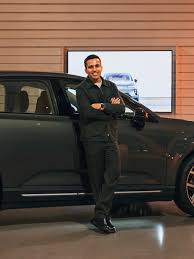
Senior exterior designer Gaurang Nagre has frequently addressed the innovative nature of these handles, emphasizing their dual benefit of practicality and aerodynamics.
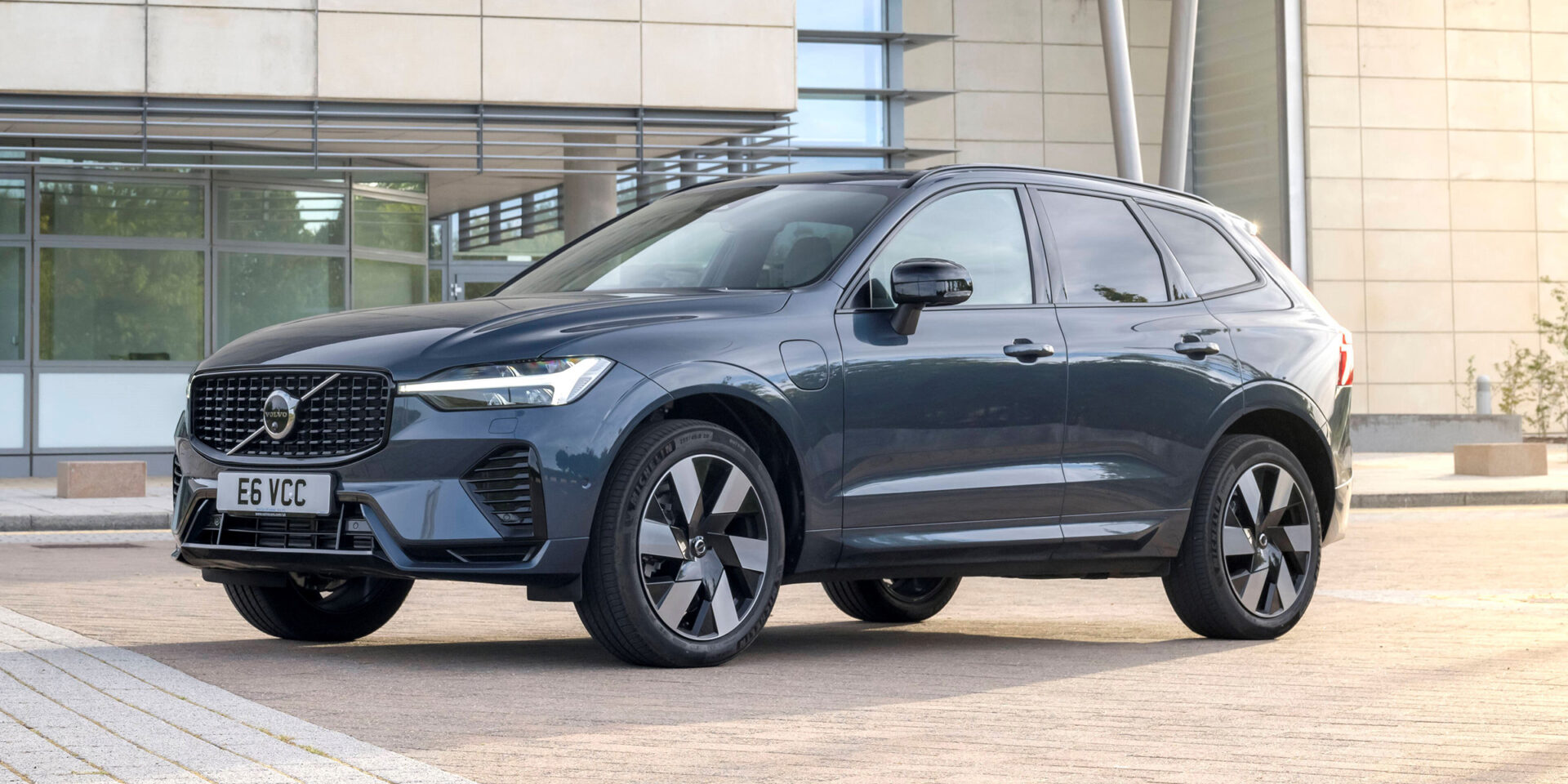
Another significant contributor to the EX60’s range is the intelligent placement of its rear wiper. While tall taillights remain a signature design element for Volvo SUVs and wagons, the decision to move the rear wiper to the bottom of the glass, rather than the top, yielded an impressive gain of up to 19 miles of additional range under ideal conditions and speed.
Volvo considered a hidden wiper, similar to solutions seen on the Lexus RX or the initial Hyundai Ioniq 5, but opted against it to avoid redesigning the rear spoiler, which would negatively impact aerodynamic flow.
Despite the rear wiper being described as a relatively small design element, Volvo engineers insist it reflects the level of detail required to make an electric vehicle competitive in today’s market. In EV development, marginal gains matter.
Every tweak in aerodynamics, weight distribution, and component placement can translate into additional miles of range — a metric that still heavily influences consumer buying decisions.
Latest Tech News
Decode Africa's Digital Transformation
From Startups to Fintech Hubs - We Cover It All.
Beyond aerodynamics, the EX60 will also introduce Volvo’s next-generation SPA3 platform, the successor to the architecture underpinning the EX90 and other larger models.
This platform is expected to bring improvements in battery efficiency, software integration, and manufacturing flexibility, allowing Volvo to streamline production while improving performance.
Software will play a central role in the EX60’s appeal. Volvo has increasingly positioned itself as a software-defined car company, integrating advanced driver-assistance systems, over-the-air updates, and Google-based infotainment services.
Lessons learned from the troubled rollout of the EX90 where software delays pushed deliveries and drew criticism will likely shape how Volvo approaches the EX60’s launch. Ensuring a smoother, more stable digital experience will be crucial to maintaining consumer trust.
Performance is also expected to remain a strong selling point. Early indications suggest the EX60 will offer multiple powertrain configurations, including a dual-motor all-wheel-drive setup capable of brisk acceleration consistent with other electric SUVs in its class.
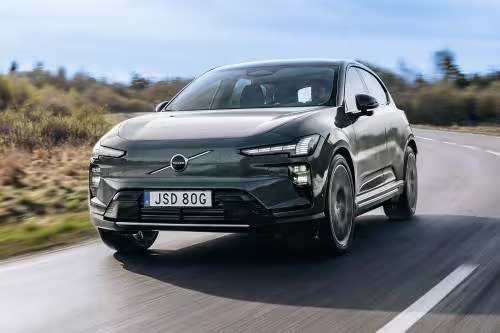

Combined with Volvo’s reputation for safety, the brand hopes the EX60 will appeal both to existing Volvo loyalists and new EV buyers seeking a premium alternative to German competitors.
Yet the biggest challenge may not be technology or design, it will be convincing buyers that the shift to electric is worth the premium.
With the EX60 priced significantly above the traditional XC60, Volvo must persuade customers that the benefits of zero emissions, lower running costs, and advanced technology justify the higher upfront cost.
In many ways, the EX60 represents a test of Volvo’s long-term electrification strategy. The company has repeatedly stated its ambition to become a fully electric carmaker within the coming decade.
Achieving that goal will depend not only on flagship models like the EX90, but on high-volume vehicles such as the EX60 that sit at the heart of the luxury SUV market.
If the EX60 succeeds in converting loyal XC60 drivers to electric power while attracting new customers in an increasingly crowded EV landscape, it could become the cornerstone of Volvo’s electric future.
If it falls short, it may signal just how difficult the transition from combustion engines to fully electric mobility remains even for one of the industry’s most safety-conscious and design-forward brands.