Fuel Fiasco: Kenya Gripped by Scandal, Shortages and Panic Buying
Kenya is experiencing a severe nationwide fuel shortage due to a controversial 60,000-metric-tonne fuel shipment that contravened the government-to-government supply agreement. Energy CS Opiyo Wandayi has ordered the importer, One Petroleum, to remove the cargo, while several senior government officials have been arrested and resigned over the incident. The shortage has caused panic buying and disruptions across various towns.
Kenya is currently grappling with a severe nationwide fuel shortage, triggering widespread panic buying and chaotic scenes at petrol stations across the country.
From Naivasha to Kakamega, Isiolo, and Kirinyaga's Kagio town, motorists and motorcycle operators have been forming long queues, scrambling for scarce fuel supplies.
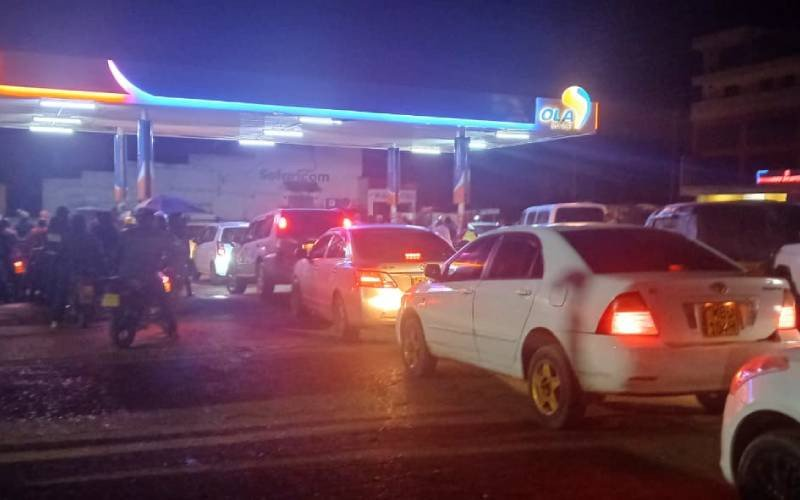
Many filling stations have reported running dry, while those with limited stock are quickly overwhelmed, leading to significant disruptions in transport and business activities across affected regions, including Murang'a.
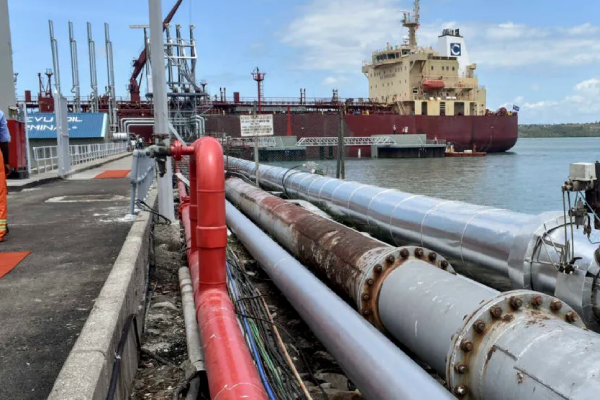
This acute scarcity is linked to a controversial 60,000-metric-tonne consignment of super petrol imported by One Petroleum Limited.
Energy Cabinet Secretary Opiyo Wandayi has issued stern directives to address the situation, and One Petroleum has been ordered to immediately remove the contentious cargo from the country and to withdraw all invoices issued to oil marketing companies (OMCs), replacing them with credit notes.
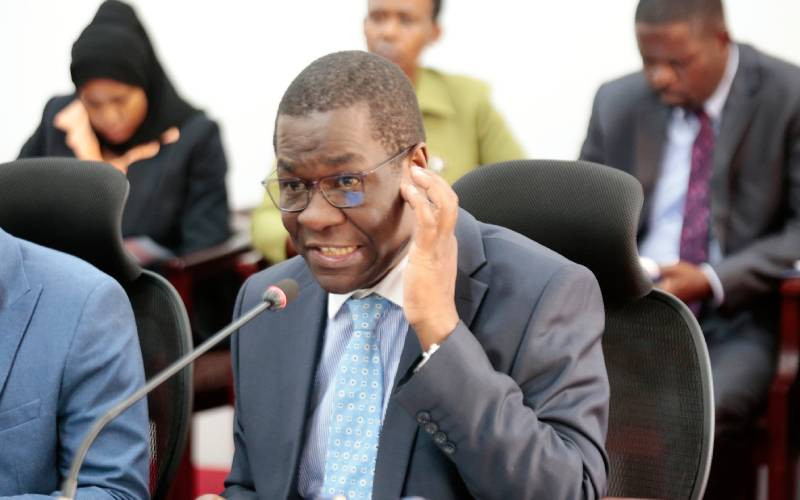
Furthermore, CS Wandayi explicitly instructed OMCs not to honor any payments related to these invoices nor to uplift any product from this particular consignment.
The Energy and Petroleum Regulatory Authority (EPRA) has also been directed to exclude this product from its monthly computation of petroleum product costs, aiming to prevent any artificial inflation of prices.
The root of the controversy lies in the shipment's contravention of Kenya's government-to-government (G-to-G) fuel supply agreement.
This framework, established in 2023 with international partners like Aramco Trading, Fujairah FZE, ADNOC Global Trading Limited, and Emirates National Oil Company (Singapore) Private Limited, was designed to safeguard supply security and ensure price stability.
The controversial consignment was priced at Sh198,000 per metric tonne, a stark contrast to the Sh140,000 for fuel imported under the G-to-G framework, and this Sh58,000 difference per metric tonne, if allowed, would have translated to an approximate Sh14 per litre increase in fuel prices for this consignment alone during the upcoming review.
The fallout from this questionable shipment has led to the dramatic arrest and subsequent resignation of several senior government officials.
Those implicated and detained include: Petroleum Principal Secretary, Mohamed Liban; former EPRA Director-General, Daniel Kiptoo; former Kenya Pipeline Company (KPC) Managing Director Joe Sang, Joseph Wafula; the deputy director of petroleum at the Energy Ministry, and Joel Mburu, a supply and logistics manager at KPC.
These high-profile detentions, described as part of a broader anti-corruption crackdown within Kenya's energy sector, have intensified public scrutiny over how the country manages its fuel supply chain.
Investigators are probing whether due process was deliberately bypassed to allow the importation of the overpriced consignment, and whether there was collusion between regulatory authorities and private sector actors.
As the probe deepens, the immediate concern for millions of Kenyans remains access to fuel.
Public transport operators, including matatu drivers and commercial motorcyclists, have been among the hardest hit, with many forced to either suspend operations or hike fares to cope with the scarcity.
This has had a ripple effect on the cost of goods and daily commuting, further straining households already grappling with a high cost of living.
The government has sought to reassure the public, insisting that there are sufficient fuel reserves in the country and that the shortage is artificial, driven largely by supply chain disruptions and market hesitation following the controversy.
Authorities have also warned against hoarding and profiteering, promising enforcement actions against stations found exploiting the situation.

Meanwhile, industry stakeholders are calling for greater transparency and stricter adherence to established import frameworks to prevent a recurrence.
Analysts note that the G-to-G agreement, despite its criticisms, was introduced precisely to avoid such market shocks and pricing irregularities.
As Kenya works to stabilize supply and restore public confidence, the unfolding crisis highlights deeper systemic vulnerabilities within its energy sector — from regulatory oversight gaps to the risks of policy circumvention.
For now, motorists remain at the mercy of long queues and uncertain supply, as the country awaits both immediate relief and long-term reforms.