Forest Conservation: How Trees Help Fight Climate Change
Forest conservation helps fight climate change. Learn the role of trees in absorbing carbon, regulating climate, and protecting biodiversity for a sustainable future.
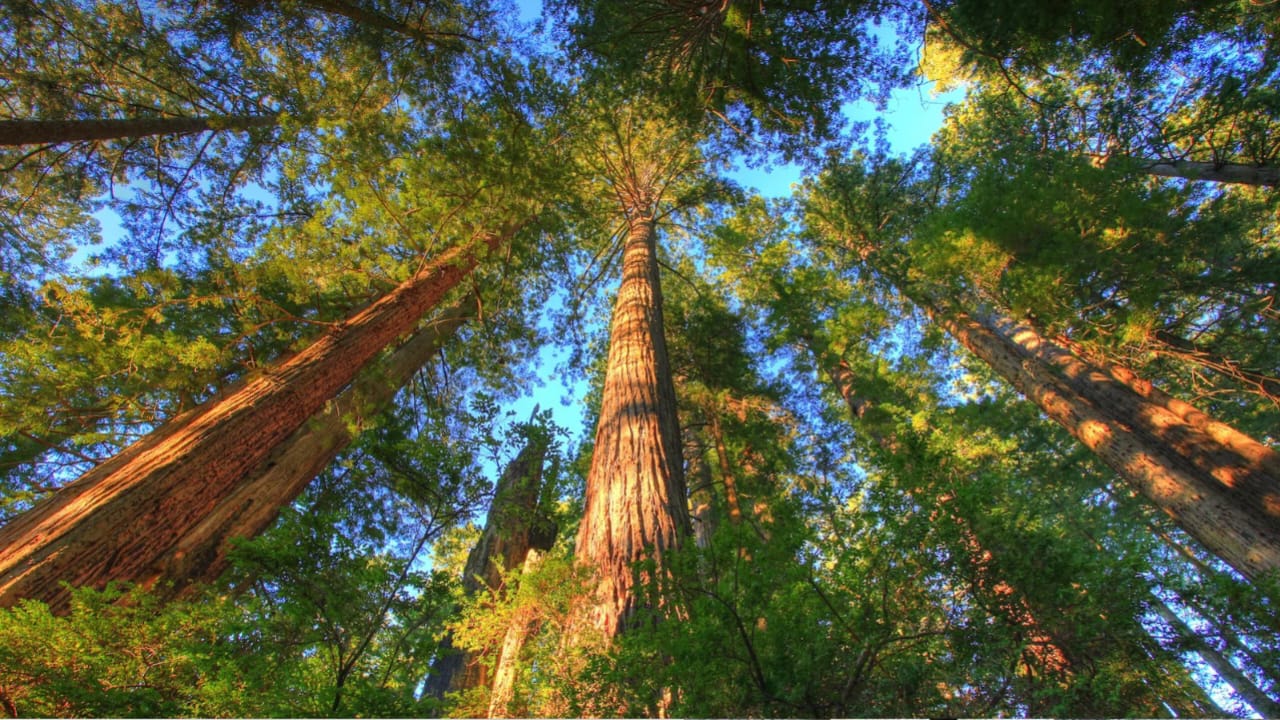
Forests are more than just a collection of trees, they are essential to life on Earth.
They absorb carbon dioxide, they provide homes for countless animals.
Trees play a central role in keeping our planet healthy.
Today, as climate change threatens communities and ecosystems, forest conservation has become more important than ever.
Why Forests Are So Important
Forests are often called the lungs of the Earth.
Why? Because they absorb carbon dioxide (CO₂), one of the main gases causing global warming, and release oxygen back into the air.
This process, called photosynthesis, allows trees to act as a natural carbon sink, reducing the harmful gases in our atmosphere.
Without forests, more CO₂ would remain in the air, leading to higher temperatures, extreme weather, and rising sea levels.
Forests don’t just store carbon,
They help regulate the climate, support biodiversity, and protect soil and water systems.
How Forests Fight Climate Change
Carbon Storage
Trees store large amounts of carbon in their trunks, branches, leaves, and roots. A single mature tree can absorb about 48 pounds of CO₂ each year, while an acre of forest can store hundreds of tons.
Conserving forests prevents this stored carbon from being released through deforestation.
Climate Regulation
Forests influence local and global weather. Through evapotranspiration, trees release water vapor into the air, cooling their surroundings and helping maintain rainfall cycles. Areas without trees tend to become hotter and drier, worsening climate change impacts.Protecting Wildlife
Forests are home to over 80% of terrestrial species. Conserving forests preserves habitats, protects biodiversity, and maintains ecological balance. Healthy ecosystems are also more resilient to climate impacts.Preventing Soil Erosion and Floods
Tree roots hold soil in place, preventing erosion and protecting rivers and streams. This reduces the risk of flooding, which is becoming more frequent due to climate change.
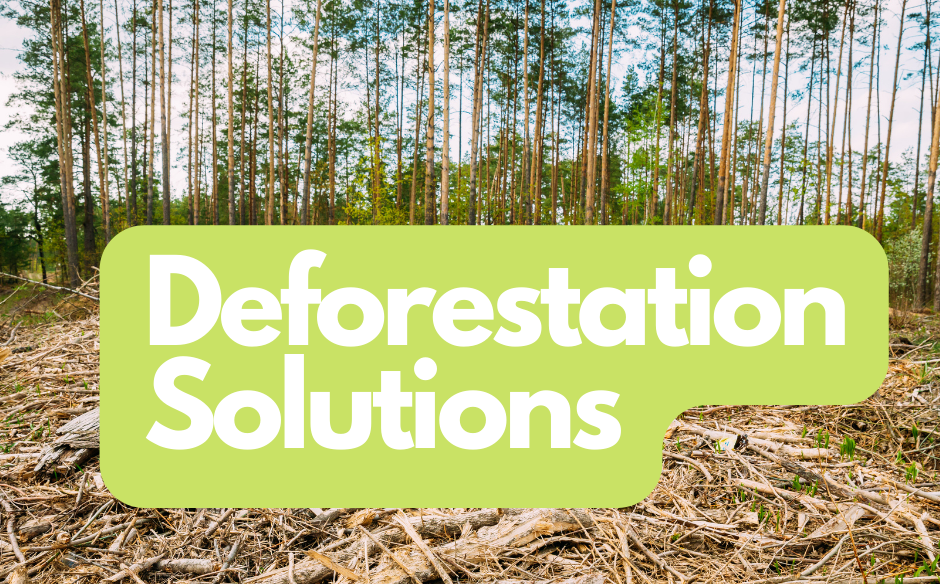
Despite their importance, forests are disappearing at alarming rates. Every year, millions of hectares are cut down for agriculture, logging, and urban development. The problem is deforestation.
When trees are removed, Stored carbon is released into the atmosphere, Local climates become hotter and drier, Animals lose their habitats, pushing many species toward extinction

Globally, deforestation accounts for around 10% of greenhouse gas emissions, making it a major contributor to climate change.
Solutions: How Forest Conservation Can Help
Protect Existing Forests
Governments and organizations can create protected areas and national parks to prevent illegal logging. These areas preserve critical habitats and maintain the carbon-storing ability of forests.Reforestation and Afforestation
Planting new trees (afforestation) or replanting areas that were cut down (reforestation) can absorb carbon and restore ecosystems. Projects like theGreat Green Wall in Africa are excellent examples of large-scale reforestation efforts.Sustainable Forestry Practices
Using forests responsibly—like selective logging, reducing waste, and managing forest resources, helps balance human needs and conservation. This approach allows communities to benefit from forests without destroying them.Community Involvement
Local communities can participate in forest stewardship programs, which provide jobs and resources while protecting the environment. When people see the value of forests, they are more likely to conserve them.
The Role of Individuals
Forest conservation is not only a job for governments or large organizations. Each person can contribute:
Support products certified by theForest Stewardship Council (FSC)
Participate in local tree-planting initiatives
Reduce paper and wood waste at home
Educate others about the importance of forests
Conclusion
Conserving forests is not just about saving trees, it’s about protecting our future. Healthy forests keeps the planet cooler, protect clean water and soil, support wildlife and biodiversity, reduce the severity of floods, droughts, and storms.
Every tree saved or planted helps fight climate change. Forests are silent warriors that make life on Earth possible, and conserving them benefits everyone.
Protecting and restoring forests reduces carbon in the atmosphere, safeguards biodiversity, and stabilizes local climates.
Every effort, big or small, brings us closer to a healthier planet.