Food for the Mind: How Diet Shapes Mental Health More Than We Think
What we eat affects more than our bodies, it shapes our emotions, focus, and resilience. This feature talks on how diet and mental health intertwine, revealing the quiet power of everyday food on the human mind.
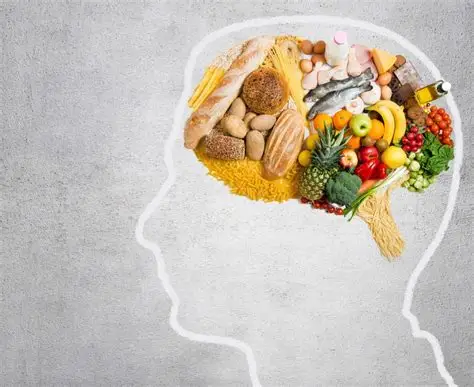
They say you are what you eat, but few realize how literal that phrase might be. For decades, nutrition has been reduced to waistlines, calories, and heart health what we eat has been measured in kilograms and cholesterol levels. Yet, beneath the surface, science is revealing a truth far more profound: what we put on our plates is also shaping how we think, feel, and cope with life.
The new frontier of wellness isn’t found in fitness trackers or supplements, it’s found in our kitchens. Every grain, every spice, every meal has the power to either calm the mind or cloud it. Across Africa and the world, doctors and researchers are tracing a direct line between diet and mental well-being, a connection once overlooked, now impossible to ignore.
The Gut-Brain Conversation
The gut, often called the second brain, houses trillions of bacteria that form the gut microbiome, a vast ecosystem that communicates constantly with the brain. These microbes produce critical neurotransmitters like serotonin and dopamine, which influence mood and cognition. According to experts at Harvard Health, an estimated 95% of the body’s serotonin is made in the digestive tract, not the head.
When this microbial community thrives fed by fiber-rich vegetables, legumes, and fermented foods, the brain flourishes. But when diets become saturated with refined sugars, processed snacks, and alcohol, inflammation takes root. The gut lining weakens, sending distress signals to the brain. The result is often anxiety, irritability, and a creeping sense of mental fatigue that no coffee can fix.
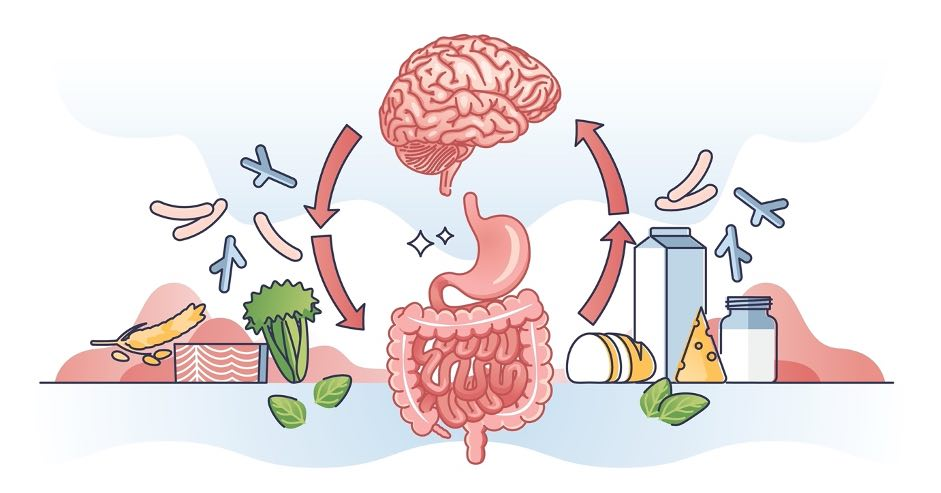

It’s a relationship so intimate that psychiatrists are now prescribing dietary interventions alongside therapy. The emerging field of nutritional psychiatry is proving what traditional healers have said for centuries: the mind begins in the stomach.
Comfort Food and the Emotional Rollercoaster
We often reach for comfort food when life feels hard, a bowl of jollof, a slab of cake, a chilled bottle of soda. These foods offer temporary relief, a sweetness that numbs the edge of worry. But the comfort is fleeting. Within hours, blood sugar crashes, cortisol spikes, and mood dips return stronger than before.
Studies by the National Institute of Health reveal that diets high in refined carbohydrates, trans fats, and artificial additives are strongly correlated with depression and mood instability. These foods alter brain chemistry, reducing serotonin production and increasing inflammation, a silent saboteur behind many cases of low mood and mental burnout.
In contrast, people who follow whole-food diets, like the Mediterranean or traditional African diets rich in fish, greens, and grains, consistently show lower rates of mental illness. Omega-3 fatty acids found in oily fish, for instance, are essential for maintaining brain cell membranes and reducing inflammation. Even locally, foods like egusi, moringa, and garden eggs contain bioactive compounds that nourish both body and mind.
Food isn’t just fuel, it’s communication. And the body listens closely.
Not all malnutrition looks like starvation. In urban Africa, many young professionals eat three times a day yet remain nutrient deficient. Fast food culture, long commutes, and sedentary lifestyles have created a generation that is overfed but undernourished. Behind fatigue and poor concentration often lies a quiet lack of vitamin B12, iron, or magnesium, all vital for energy and mental clarity.
The World Health Organization has long warned about “hidden hunger,” where micronutrient deficiencies go unnoticed but silently undermine cognitive performance and emotional balance. Without enough folate and zinc, neurotransmitter production falters, leading to mood swings and even depressive symptoms.

In Nigeria and across Africa, nutritionists are urging a return to indigenous ingredients; millet, beans, cocoyam, leafy greens, foods that once sustained entire communities. These aren’t just cheaper or more sustainable; they’re psychologically protective. A balanced diet, in the truest sense, is an act of mental self-care.
Tradition Meets Science
Long before clinical studies and brain scans, traditional African healers understood that food could heal the mind. Herbs like bitter leaf, uziza, and clove were used not only for digestion but for calming nerves and easing insomnia. In Senegal and Ghana, fermented millet drinks were believed to restore vitality and ward off melancholy. These weren’t superstitions, they were early expressions of nutritional neuroscience.
Today, global science is catching up. The University of Melbourne’s Food & Mood Centre has shown that even modest dietary improvements adding more vegetables, reducing processed foods, and including fermented products can reduce symptoms of depression within three months. Food, it seems, is the original form of therapy.
And the wisdom extends beyond Africa. The Japanese practice of Washoku (traditional cuisine) and the Nordic emphasis on simple, seasonal eating are now studied for their mental health benefits. The takeaway is universal: cultures that value whole, communal meals tend to experience better mental well-being.
Modern living, however, has distanced people from that slow, mindful relationship with food. We eat in cars, at desks, in front of screens barely tasting what we consume. Fast food and “fast thinking” go hand in hand. When meals become mechanical, the act of nourishment loses its emotional weight. This disconnection contributes to stress, overwhelm, and even loneliness.
The global wellness industry sells mindfulness apps and detox programs, yet the solution might be as simple as reclaiming mealtime as a ritual. Cooking from scratch, eating in company, or even blessing food before eating re-establishes rhythm, the kind that modern life keeps disrupting. The point isn’t perfection; it’s presence.
Rethinking the Future of Health
As mental health crises rise globally, the focus is finally shifting toward prevention rather than cure. Hospitals and schools are incorporating nutrition into mental health education. In South Africa, community initiatives are teaching families how to grow affordable vegetables for both body and mind nourishment.

Tech startups, too, are stepping in. New apps track not just calories but nutrient diversity, helping users balance their meals for emotional stability. The next evolution of wellness technology may not be virtual reality or AI therapy, it may be real food, made visible and valuable again.
And beyond all science, there’s something deeply human about this return to roots. Food connects generations. It is one of the few remaining rituals that can slow down a racing world. When we cook, share, and eat with intention, we’re not just feeding our bodies, we’re tending to the psyche.
In the end, it isn’t just about vitamins or brain chemistry. It’s about meaning. Food can be medicine, but it can also be memory, a reminder of who we are and where we come from. Across African households, the scent of egusi soup, roasted maize, or boiling yam still brings comfort that no drug can replicate. Beneath those aromas lies a language of healing, one that modern science is only beginning to translate.
The future of mental wellness may depend on how seriously we take the past. Our ancestors didn’t have antidepressants, but they had rhythm, balance, and connection, the same elements that today’s science says protect the brain. Maybe progress isn’t about inventing something new; it’s about remembering something ancient.
So, the next time you feel anxious, exhausted, or uninspired, start with your plate. Choose color over convenience, freshness over packaging, and community over speed. Because every bite tells your brain something and you get to decide what story it hears.