Fintech Fatigue: Why Nigeria needs Infrastructure Tech
Much of Nigeria and Africa has been taken over and we've arguably seen the best of Fintech. Infrastructure Tech on the other hand, is that untapped mine that Nigeria and much of Africa needs to explore in it's quest to achieving all round development.
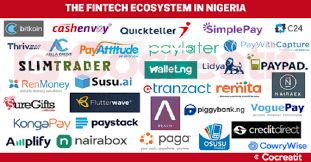
Over the last decade, financial technology has spread across Nigeria, promising to make our financial life easy and seamless. According to a comprehensive report released earlier this year in February 2025, Nigeria was home to more than 430 fintech companies.
Various Fintech like Opay, Flutterwave, and Piggyvest have led the way in this fintech surge, with hundreds more following closely behind. Every corner today, seems to be held hostage by a fintech promising to help you send money, pay bills, or manage your finances.
But this charge has sparked debates. Today, different perceptions and arguments are rising — claims that the Fintech space has become saturated with too many companies promising to solve the same problems.

Whether this argument is based on facts or rumours, the answers you'll find is dependent on where you look. So, is African fintech truly saturated — or are we simply looking in the wrong place?
THE REALITY OF FINTECH GROWTH IN AFRICA
In Nigeria and much of Africa, fintech is often portrayed as a silver bullet for financial inclusion and economic empowerment. Headlines are all about how fintech is bridging the financial gap, how millions of transactions are processed daily.
Africa has a population of over 1.5 billion people, and a large percentage of them do not use traditional banks. In fact, many rely on informal methods to save and borrow money. This gap is where fintech companies have stepped in.
Investors and Startups talk of the limitless opportunities that come with fintech — as if it's some sort of Panacea for Africa's economic challenges. Well, maybe it is — maybe investors aren't exploring the full potential of financial technology and there's more to it.
Despite the portrayed figure of over 430 startups operating in Nigeria, Tech Economy provides that 28 million of Nigeria's population are still financially excluded, stressing a gap between fintech solutions and their economic impact.

Digital wallets and payment apps are a bit popular in Urban areas, but many rural communities remain underserved and despite efforts of fintech companies to incorporate these rural areas into the financial ecosystem — challenges still persists. This brings us to the next chapter —the challenge of infrastructure on the impact of fintech solutions.
THE INFRASTRUCTURAL PROBLEM IN NIGERIA
Despite the millions flowing through financial technology, Nigeria still has one of the few African countries to be limited by Infrastructural development. Nigeria still has lots of bad roads, testimonies are made daily of how the health system has failed them when they needed it most, many lack the reach to even say they lack access to electricity and clean water.
What good are mobile wallets when you can’t even get reliable internet in many parts of the country? How does digital payment help a farmer who can’t even get his crops to market because of the poor roads?
You can't buy a road or build a hospital with your mobile wallet but somehow we push the narrative that as long as transactions and payments have been made easier — We've got it all figured out.
Looking at the health care sector, the Nigerian health care system is in shambles and despite innovations like mobile health apps, these ideas only scratch the surface. What Nigeria needs in the health care sector is more than a payment system or a health check app. What it needs are well funded hospitals, effective health insurance and accessible treatment for all. This is the kind of infrastructure that tech solutions can provide but this will only happen if they look beyond making payments and transactions easier.
It is undeniable that fintech thrives in a world with functional infrastructure, and till this is the case in Nigeria — financial technology will only try but will be very much insufficient in charting the cause of nationwide development in Nigeria.
DIVERSIFYING TECH INVESTMENT BEYOND FINTECH
While fintech has dominated headlines and attracted the lion's share of investments, the existing realities in Nigeria demands more than easier payments, access to loans and wallets. It is important to understand that these are very important but real economic transformation requires a broader tech focus — one that complements the nation's Infrastructural needs. Some of the sectors where tech investment would make a tangible impact are;
The Energy Sector: Nigeria, despite been an energy producing nation, unfortunately, shares the problem of chronic power shortages with many African countries.
Promoting startups that focus on solar, microgrids and off grid solutions can empower households, businesses and most importantly health care facilities — improving economic activity in underserved areas.
Agri-Tech: Despite the efforts of many green startups, farmers still struggle with market access, supply chain inefficiencies and irrigation challenges. To solve this, fintech microloans could be combined with Agri-Tech solutions to ensure funds directly reach farm operations.
Healthcare Tech: While mobile health care apps are a start, Nigeria's health care system needs systemic change and upgrades. By supporting Medtech initiatives like telemedicine — tech solutions can help revitalise the health sector.
THE BENEFITS OF BUILDING INFRASTRUCTURE
It is important to understand that Economic growth doesn't happen in isolation or by focusing on only one sector — it's the even development of various sectors. Real growth comes from a thriving infrastructure—one that can handle the demands of a growing population, a diverse economy, and a dynamic digital world.
Investing in Infrastructure will have various benefits on the population—starting from job creation. Imagine the job creation potential from building tech solutions for transport systems, smart cities, or sustainable agriculture.
The social impact is just as beneficial. Infrastructural development will reduce inequality by providing equal services to essential services especially health care.

Achieving this, however, isn't as easy as it seems. And it would be sad to expect this change to primarily come from private investors. The Nigerian Government needs to step up and make the first move towards infrastructural development creating policies that will attract infrastructure driven tech.
This partnership can be attained through public-private partnerships. The public sector brings it resources and merges it with the innovation of the tech sector to create sustainable solutions for healthcare, transport, and agriculture.
Ultimately, Financial Technology has had a groundbreaking impact on the Nigerian financial space, and maybe it's time to focus on something bigger — Infrastructural Tech and if this is done right, we'll be looking at a Nigerian that works for everyone — a society where access to primary infrastructure isn't a privilege but a part of everyday living.